

Smart City Kitchens files competition complaint against GrabFood, Deliveroo
Shared kitchen operator alleges that restaurants it works with were "shut out" of both platforms

Sharanya Pillai
Singapore
SMART City Kitchens (SCK), a shared kitchen operator, has filed a formal complaint against food delivery players Deliveroo and GrabFood with the Competition and Consumer Commission of Singapore (CCCS) for alleged anti-competitive actions, the company said on Wednesday.
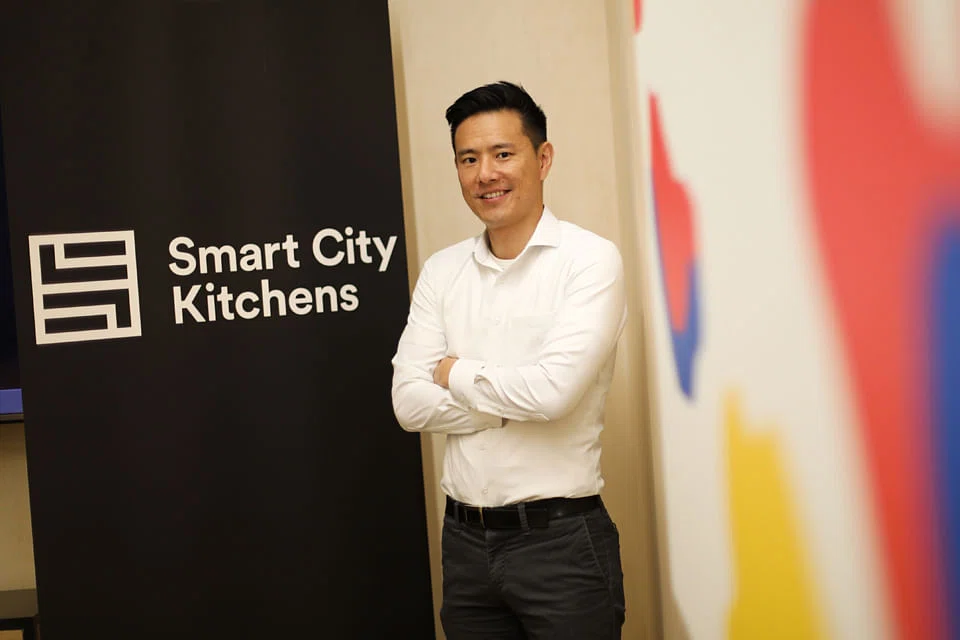
In a press conference, SCK's general manager Warren Tseng said that Deliveroo and GrabFood have disabled existing food delivery services and halted new services for restaurants using SCK's shared kitchen in Tampines. The eateries, however, continue to have access to foodpanda and other platforms.
SCK is linked to former Uber CEO Travis Kalanick, The Straits Times reported.
Mr Tseng said that an inability to access Deliveroo and GrabFood will stifle innovation and penalise his tenants, whom he described as small business owners competing in the dynamic and tough food delivery ecosystem.
In response to queries from The Business Times, a CCCS spokesman confirmed that it is looking into the matter, but was unable to provide further details.
A Deliveroo spokesman said that the company is in discussions with SCK and is committed to find a resolution. Likewise, a Grab spokesman said that the firm is still studying the most efficient way to adopt the shared kitchen concept.
The eateries that work in SCK's kitchen have a minimum lease period of one year. About seven eateries have commenced operations at SCK's kitchen, which launched last month, while over 20 more are due to start in coming weeks. SCK plans to open another three shared kitchens in Singapore by end-2019 - in the north, central and west regions.
The complaint has raised questions about how much influence the largest food delivery players have on the market.
Businesses "with a dominant market position can risk infringing the Competition Law if they engage in exclusionary conduct such as tying, bundling or exclusive agreements", the CCCS spokesman said.
Eversheds Harry Elias partner S Suressh said the CCCS "will usually consider a market share of above 60 per cent as an indicator of dominance".
The food delivery players do not disclose transaction volumes, so it is not clear how the market pie is sliced by sales. In terms of delivery people, previously disclosed numbers by the companies showed that foodpanda had 6,000 riders as at end-2018, compared to 6,000 for Deliveroo and 10,000 for GrabFood. Those numbers should be taken with a pinch of salt, however, because there are overlaps - one rider can deliver food for more than one company.
TSMP joint managing partner Thio Shen Yi said: "The issue is whether Deliveroo or GrabFood, if they are individually or collectively dominant in the food delivery market in Singapore, are abusing their dominance to increase their market share in the shared kitchen business."
The regulator will also likely consider if the actions result in fewer choices for consumers. "The CCCS will probably be interested in whether there are legitimate reasons why Deliveroo and Grabfood have refused to let users of SCK supply food on their platforms, or if the refusal... is principally aimed at suffocating a potential competitor," Mr Thio said.
Certain actions would not be considered anti-competitive if GrabFood and Deliveroo lack market dominance.
"If neither GrabFood nor Deliveroo, on its own, is the dominant party in the market, then they are both entitled to choose who they collaborate with," said Terence Seah, a litigation partner at Virtus Law.
Rules prohibiting collusion, however, could apply even if the players are not dominant on their own.
"Unless there is some allegation of collusion, it's hard to see why these players cannot say no (to SCK), especially if there are alternatives like foodpanda," Mr Seah added.
TRENDING NOW
Prima to move out of historic Keppel Road flour mill building in 2028

Temasek-related Azalea, SeaTown, Seviora Capital to merge in 2027

Family offices see more tailored products, leverage ‘collective firepower’ for direct deal access

Singapore room rates soar, but hotels seeing mixed demand from F1 race and events

