Startups see value in shared working space of physical offices
They have adapted well to remote working but market watchers say lack of physical interaction between colleagues may make a dent on their creative process

Singapore
PLEXIGLASS barriers along silo-ed desks. Transparent bubble pods in meeting rooms. Staggered pantry timings to reduce interaction.
Will this really be what offices look like against a Covid-19 backdrop? Several startups The Business Times spoke to said that they would rather continue to work remotely than go into an office devoid of interaction. Most say that they managed to maintain productivity levels and collaboration efforts during the "circuit breaker" period when they had to work from home.
Startups could be at the top of their game when it comes to ensuring that usual day-to-day operations are still running smoothly. But, market watchers say that the lack of physical interaction may make a dent on their creative process, and the benefits of having an office could bring more value than they expect.
Startups will be one of the first to feel the intangible effects that the novel coronavirus has on company culture and future innovation. Collaboration and close communication are key aspects of the innovation process, which startups need in order to grow and evolve.
Face-to-face meetings with investors are also a key component of a startup's fundraising process, and pitches may not be as effective when conducted through video conferencing calls.
Online teleconferencing calls and meetings are useful for goal-oriented tasks, but these more scripted and deliberate meetings may not allow for serendipitous interactions across different departments.
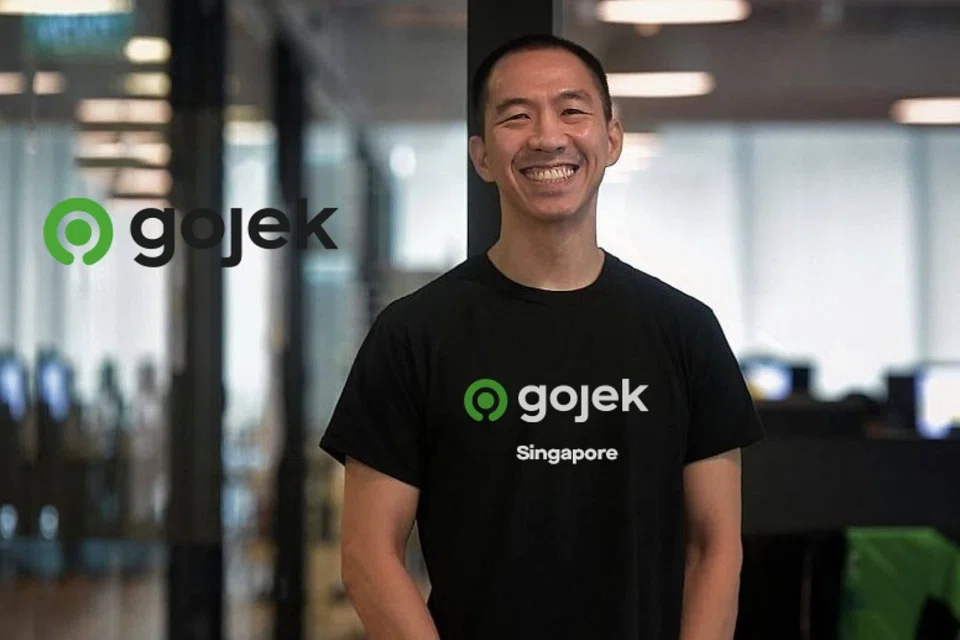
Such spontaneous interactions spur creativity and trigger innovation, which helps the startup constantly evolve and improve, said Lien Choong Luen, general manager for Gojek Singapore during a Business China webinar in May.
Even if the recent enforced experiment with remote working has resulted in no significant downside in terms of productivity for many tech firms, from the psychological perspective (both individual and organisational), there remain benefits to having a shared working space in which colleagues may physically collaborate and interact, said Kishan Pillay, a partner at Singapore-based TSMP Law.
Doug Thompson from interior design firm Space Matrix said that the original concept of the open floor plan - ubiquitous in tech offices - was to increase movement through design.
"The open office was designed to get people to move easily from one end of the office to the other; to create accidental collaboration, to bring people together and to keep that energy within a culture," explained Mr Thompson, Space Matrix's design studio director for Singapore.
For example, large social spaces that double up as pantries can help foster a kind of cafe and hospitality culture, where people can sit in different places to work with just a laptop and a WiFi connection, noted Mr Thompson.
He added: "This helps to draw people from one end of the office to the other and engage in conversation, which helps facilitate constant variety in conversation and collaboration."
Post Covid-19, with the return to workplaces, companies may change their layouts to accommodate social distancing practices. For example, tech companies - which largely employ open plan offices - can restructure spaces to create smaller work zones to reduce movement from one end of the office to another.
Mr Thompson also sees reconfiguration to include bigger collaborative spaces instead of fixed work desks, as well as hands-free entry points and wider corridors.
However, Carol Wong from real estate firm Cushman and Wakefield predicts that major reworks to floor plans might not be feasible in the near future, as companies look to more temporary solutions - plexiglass barriers, face shields, closing down alternate workstations - to practice safe distancing without spending too much.
With the aim of saving costs and improving employee welfare, most startups BT spoke to said that they will continue to implement parts of remote working in their office strategies moving forward, as it has worked well for them.
Video production startup Shootsta told BT that they may try to work out split-team arrangements post Covid-19 with more spaced-out workstations, as most employees apart from the editing team can work from home.
Video-editing workshops that the startup used to conduct in their office pre Covid-19 have also been moved online with weekly webinars to engage audiences attracting over a hundred participants each week and growing, said its Asia vice president Antoine Bouchacourt.
Adtech startup Adludio, which has offices in cities such as New York, Taipei, London and Singapore has also announced that it will no longer require employees to work from its offices.
Benjamin Pavanetto, Adludio's managing director in Asia, said that the offices will be reconfigured into hubs mainly for hot desking, socialising and to host client events.
"We learnt to give more trust to the people we work with. As long as the work is done at the end of the day, where you work or what time exactly you do your work does not matter as much," explained Mr Pavanetto.
These startups say that they have been leveraging tech tools to stay on top of tasks, while the suite of teleconferencing softwares available has helped keep communication channels open during remote working.
But for flexible work arrangements to continue post Covid-19, the next six months would be crucial for companies to prove productivity levels can still stay high, industry players say.
"The main difference with remote working was that we had to be more deliberate in creating structure both around online meetings, as well as when managing staff workload. Since we can't just pop by someone's desk to chat like before, we also needed to make a more conscious effort to check in on the well-being of employees," said Eugene Goh, co-founder of startup HR consulting firm TalentKraft.
Mr Goh also added that staff productivity has increased since they use project tracking tools during this period to keep on top of tasks, as well as plan for future projects.
Startups might also be more open to the idea of hiring from different geographies now, as remote working has significantly reduced the idea and the need for staff to be physically present at the office, according to Zanyu Ang, co-founder of TalentKraft.
"Once you have set up your system to manage remote working in Singapore, it's relatively easy to extend it to remote working overseas. I think this will become more common, but startups will also need to manage the differences in culture, time zones and connectivity issues," said Mr Ang.
Read more news, analysis and opinions at bt.sg/garage