Zip’s Singapore exit signals dimming prospects for BNPL as a standalone product

Benjamin Cher
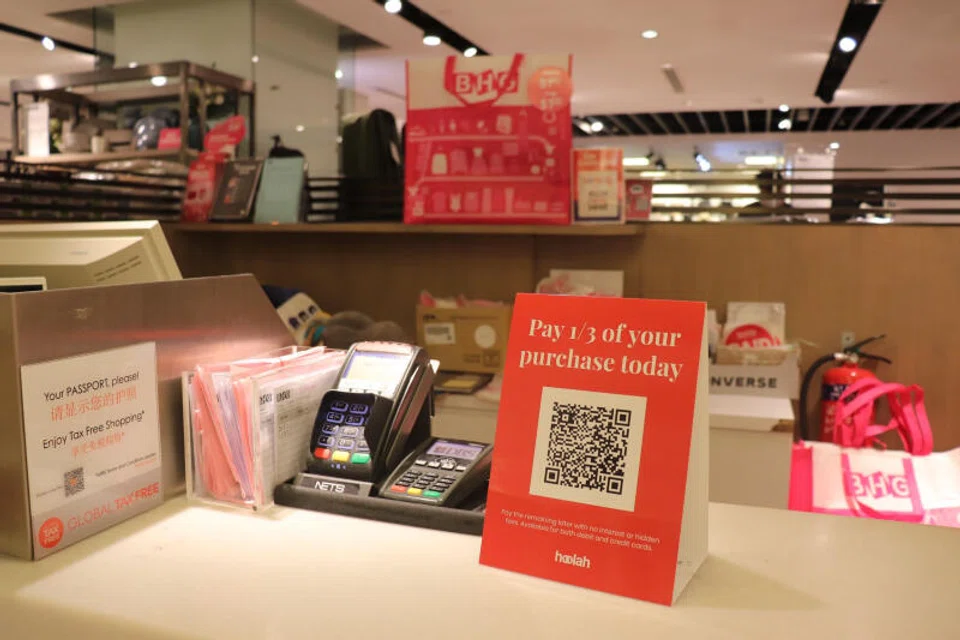
THE recent exit of Australian “buy now, pay later” (BNPL) player Zip from Singapore is yet another indication that such consumer lending companies are having to make tough decisions and consolidate their operations. Higher interest rates won’t help the situation.
Singapore-based Hoolah, which started offering instalment payments in 2018, was acquired by shopping and rewards platform ShopBack in November 2021.
Rely, founded in 2017, has been acquired by rival Pace.
A macroeconomic environment of inflationary pressures has cut into consumer spending, with many looking to stretch their dollar on essentials. Rising interest rates have also impacted BNPL operators’ costs.
Meanwhile, BNPL companies are facing greater scrutiny from regulators across the globe. The Consumer Association of Singapore recently called for stronger safeguards, including purchase limits and the regulation of advertising.
These increased difficulties haven’t hindered new entrants.
Consumer tech giant Apple, for one, is offering customers its own BNPL product based on Apple Pay.
But investor confidence is on the wane. Swedish BNPL player Klarna recently cut its valuation dramatically from US$46 billion to US$6.5 billion as it sought to raise funds from investors.
Publicly-listed BNPL operators have seen their share prices plummet since the start of 2022.
Zip was down 88.9 per cent or A$3.89 to A$0.44, as of Jun 30, while the value of US-based Affirm had dropped 80 per cent or US$76.19 to US$19.02.
Interest rate burden
The falling valuations and market consolidation suggest the future of BNPL is that of a feature — an auxiliary function rather than a core component around which to build a business.
To win, a BNPL service requires 3 elements: a cheap source of capital, access to useful transaction data, and an understanding of credit risks.
But rising interest rates are crushing the first of those 3 elements, and arguably the most important one.
BNPL services offer the equivalent of interest-free loans to shoppers, and make their money by charging merchants a commission of 2 per cent to 8 per cent. The BNPL companies’ source of funding for these interest-free loans is often debt, and they aim to profit from the spread between their own debt and the loans issued to customers. As interest rates rise, many business models could unravel.
BNPL players that have signed tie-ups with consumer banks could maintain their edge. Atome, for instance, inked a deal with Standard Chartered for a US$500 million credit line.
But such tie-ups are far and few between.
A funding ecosystem
In the current challenging macroeconomic environment, BNPL players are also exposed to a rising risk of default. This is when transaction data and credit scoring can be critical.
Transaction data helps build accurate user behaviour profiles, and gives a company a better idea of what someone is likely to buy and when he or she is likely to repay the debt.
Credit scoring models may also include salary information or data on how money flows in and out of an account.
Unlike the established banks, which subscribe to credit information from established credit bureaus, BNPL operators mostly try to work off internal data and models alone. This means the stability of each individual BNPL player is highly dependent on the strength of its data and credit models.
The BNPL business model — having came to popularity during a prolonged period of low inflation and low interest rates — is facing its first test of sustainability.
It may turn out that without a larger funding ecosystem to anchor it, or an e-commerce platform to make use of it, a standalone BNPL business is of little use to anyone.