



Demand for warehouses in the region poised for substantial growth: CBRE
 Add BT as a preferred source
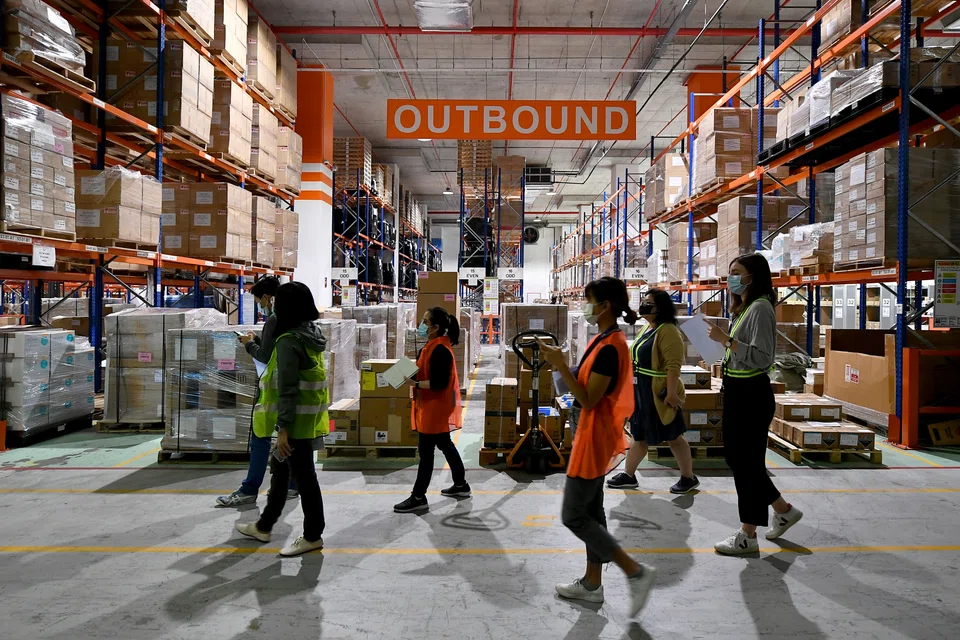
DEMAND for modern warehouses is poised for substantial growth as occupiers look to strike a balance between “just-in-time” and “just-in-case” inventory models said CBRE in a report.
As pandemic-related border controls and the rising cost of global shipping and higher energy prices continue to pressure supply chains, occupiers are responding by strenghtening their supply chain resilience, noted the consultancy.
This will be further supported by the Regional Comprehensive Economic Partnership (RCEP) and other FTAs as these agreements come online.
“The trading volume of RCEP member states accounts for 30 per cent of the global total, with the agreement estimated to create cumulative exports and import growth of around US$500 billion for Asean countries by 2035,” it noted.
In addition, with emerging South-east Asian markets providing a fast-growing consumer base and lower cost of labour, many companies intend to relocate production to one or more of these countries, spurring additional real estate requirements.
The continued growth of the region’s e-commerce industry will also continue to drive warehouse demand.
On the investment front, industrial real estate investment in South-east Asia has historically been led by Singapore.
In 2019, Singapore accounted for 59 per cent of industrial investment in the region, a figure that rose to 75 per cent in 2021 as investors fled to safety.
Amid increasing demand for modern logistics facilities, more international operators are taking an interest in the sector and looking to increase their exposure to logistics development, noted the consultancy.


In emerging markets that are preferred FDI destinations for the manufacturing sector such as Thailand and Vietnam, local authorities are pursuing a policy of amalgamating fragmented land parcels and allocating industrial land to industrialists and developers.
There are also various government initiatives in the region, such as Singapore’s Tuas Mega Port; Vietnam’s seaport master plan for 2021-2030 to enhance infrastructure connectivity and promote marine economic development; and Malaysia’s Industry 4.0-related scheme providing a comprehensive transformation agenda for the manufacturing sector.
Overall, investment in South-east Asian manufacturing and logistics real estate is expected to accelerate, with opportunities in developed markets likely to focus on developing institutional grade logistics stock to ride on local consumer market growth and the increasing importance of the region in global value chains, said CBRE.
Decoding Asia newsletter: your guide to navigating Asia in a new global order. Sign up here to get Decoding Asia newsletter. Delivered to your inbox. Free.
Copyright SPH Media. All rights reserved.
TRENDING NOW
DBS completes US$1 billion significant risk transfer deal, a first for Singapore bank

About 1 in 7 Singapore families has income of at least S$30k a month; share almost doubled in 5 years

Malaysian tycoon Vincent Tan’s sell-downs point to pruning rather than an exit plan

Not in education, employment or training: Why more Hong Kong youths are opting out of work

