



Proposal for 15% global minimum tax wins support from 130 countries
Signatories include China, Russia and India; conspicuously absent are Ireland, a major tax haven in Europe, and Caribbean islands like Barbados and St Vincent
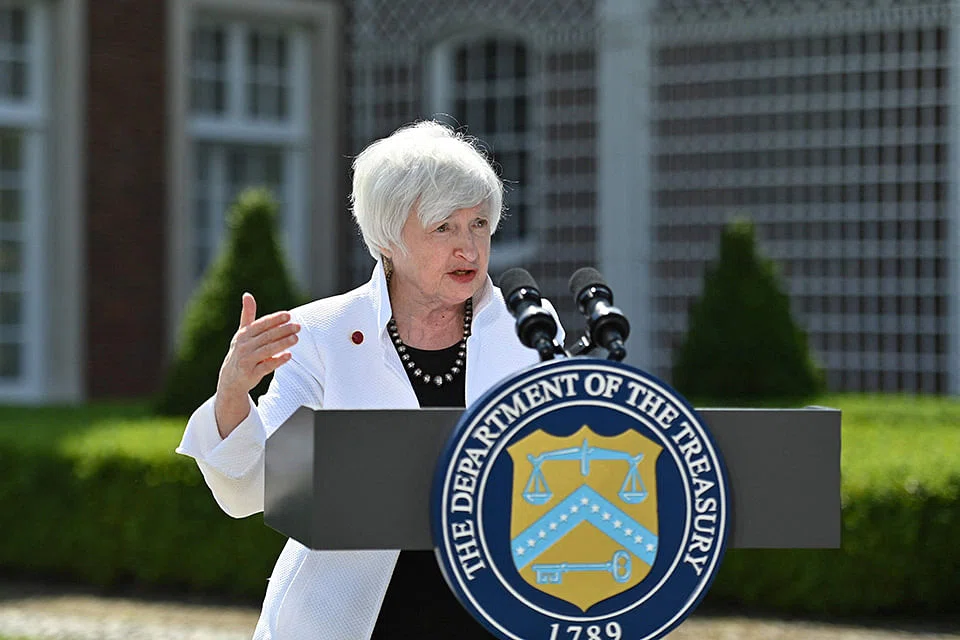
AN effort to push the most sweeping changes to the global tax system in a century gained significant momentum on Thursday when 130 nations agreed to a blueprint in which multinational corporations would pay an appropriate share of tax wherever they operate.
The deal approaches a goal that had proved elusive for the global community for decades as countries tried to prevent businesses from shopping for the jurisdiction with the lowest rates - what Treasury Secretary Janet Yellen called a 30-year "race to the bottom" on corporate tax.
The result of the negotiations, overseen by the Paris-based Organization for Economic Cooperation and Development and revived this year by US President Joe Biden, is also remarkable because it includes China, Russia and India among the signatories - large economies that had been wary of a tax overhaul.
The conceptual framework includes a 15 per cent minimum corporate tax rate, which had been proposed by the United States, and rules that would force technology giants like Amazon and Facebook and other big global businesses to pay taxes in countries where their goods or services are sold, even if they have no physical presence there.
Closing tax loopholes
Closing some of the most notorious tax loopholes in the world would generate an estimated US$150 billion in additional tax revenue each year, said the OECD, the research and policy organisation of the world's richest countries. Even so, some major tax havens, including Ireland and some Caribbean nations, still have not signed on to the deal, potentially weakening the effectiveness of the Biden administration's plan to quash the shifting of profits to low-tax countries.
A final accord would reshape global commerce and shore up finances that have deteriorated in numerous countries after more than a year of grappling with the pandemic. It could also end a brewing global trade war over the taxation of companies like Amazon, Google, Facebook and others that earn revenue online across the globe. The Trump and Biden administrations have threatened retaliatory tariffs as India, Britain, France and others have introduced taxes on digital services from American companies.
"Today marks an important step in moving the global economy forward to be more equitable for workers and middle-class families in the United States and around the world," Mr Biden said in a statement.
"With a global minimum tax in place, multinational corporations will no longer be able to pit countries against one another in a bid to push tax rates down and protect their profits at the expense of public revenue," he said.
The blueprint was originally approved by Group of 7 nations in June. Ministers from the Group of 20 major economies will hash out further details next week at a summit in Italy.
The deal comes after four years of fraught international negotiations. If enacted, it would essentially stop countries from slashing their tax rates to lure businesses, a move that the United States and other high-tax jurisdictions say has deprived them of funding for crucial investments like infrastructure and education.
Critical details still need to be worked out, including how to execute the plan, which is expected to be finalised in October, the economic cooperation organisation said. Those details could also determine which American multinationals are subject to the new rules on digital taxation, which exclude financial services companies and those in extractive industries like oil and gas. And after that, new digital taxes and global corporate minimum taxes would still need to be approved by Congress and national legislatures.
The organisation estimates that over US$100 billion of corporate profits would be reallocated from companies' home countries to other markets where they operate. Large emerging markets like India are expected to reap a tax windfall, though a big chunk would also go to wealthy countries like France and Germany, which say they have been deprived of funding by countries that use lower taxes to attract an inordinate amount of tax revenue.
The agreement is a victory for the Biden administration, which reinvigorated the negotiations this year with a new proposal for a global minimum tax. But it also builds on groundwork laid by Treasury Department negotiators under former president Donald Trump.
Still, not everyone has signed on. Smaller nations that have long benefited from being tax havens are holding out for better terms, raising the prospect of a clash with bigger countries.
Conspicuously absent from the accord is Ireland, which has resisted a 15 per cent minimum tax as it is reluctant to lose its status as a major tax haven in Europe. Its low corporate tax rate of 12.5 per cent helped fuel the so-called Celtic Tiger economy for years, attracting Apple, Google, Pfizer and a who's who of US multinationals that have been able to avoid paying taxes in other jurisdictions and brought billions in tax income to Ireland's coffers.
The Irish government has said that a deal would need to allow small countries to continue to compete with large ones to make up for the loss of any tax advantage. Finance Minister Paschal Donohoe said in a statement that Ireland would remain engaged in the negotiations and would seek a "comprehensive, sustainable and equitable agreement." Caribbean island tax havens also declined to sign on, including Barbados, St Vincent and the Grenadines. Hungary and Estonia, which are keen to preserve their ultralow tax regimes, joined the dissenters, as did Kenya, Nigeria, Peru and Sri Lanka.
A bloc of holdouts means that "nothing is agreed until everything is agreed," said Barbara Angus, the head of global tax policy at the accounting firm EY and a former chief tax counsel for the House Ways and Means Committee. "They have a huge amount of technical work to do," she added, "and now it's clear that they also have some more political work to do in order to see if they can bring those other countries onboard."
France, which has led the charge for a tax on digital giants in particular, signalled it would work to bring reluctant countries in line. "I will ask them to make all the necessary efforts to join this historic agreement," Finance Minister Bruno Le Maire said.
Tackling profit shifting
Administration officials said they hoped an enforcement provision in the framework, which mirrors key features of one of Mr Biden's proposals to raise taxes on companies headquartered in low-tax countries, would help bring holdout nations into the accord.
Conservative economists - including some who served in Mr Trump's administration - have praised global efforts to reduce corporate taxes, predicting they would bolster economic growth and worker incomes.
Yet for all the talk of fairness, critics said the plan was hardly watertight. Alex Cobham, CEO of the Tax Justice Network, a London-based advocacy group that fights tax avoidance, said that while a higher effective minimum tax rate would reap more money for most countries - including the richest - the plan "gives little to lower-income countries and leaves much of the incentive for profit shifting intact".
Challenges remain for the agreement and for Mr Biden's goal of reducing the offshoring of profits, which the president acknowledged in his statement.
The Biden administration has proposed a new tax plan that would effectively punish companies with headquarters in those holdout countries but that operate in the United States by raising their tax liabilities significantly. Mr Biden has pushed Congress to approve that tax change, along with an increased minimum tax on revenue earned by American companies outside the United States, to help fund his US$4 trillion economic agenda that he hopes to pass this summer.
Administration officials said that if enough other countries enact similar measures targeting tax havens, they will collectively snuff out the benefits to companies of shifting their profits - which would pressure the holdout countries to raise tax rates and sign onto the accord. NYTIMES
READ MORE:
Decoding Asia newsletter: your guide to navigating Asia in a new global order. Sign up here to get Decoding Asia newsletter. Delivered to your inbox. Free.
Share with us your feedback on BT's products and services
TRENDING NOW

Fed hike throws Singapore banks a margin lifeline; UOB most likely to feel impact

He built the Vingroup empire. Now South-east Asia’s richest man is handing some key roles to his sons

Real-estate veteran Desmond Sim quits from CEO roles at Realion, ETC

Chagee, Mixue and Luckin won the market. Sustaining their edge is the harder part

