



Warehouse giant GLP sees frothy valuations in certain logistics assets
The real quality - the right locations and the right buildings, constructed to a high standard - assets are still at fair value, says GLP fund management chief Ralf Wessel

Singapore
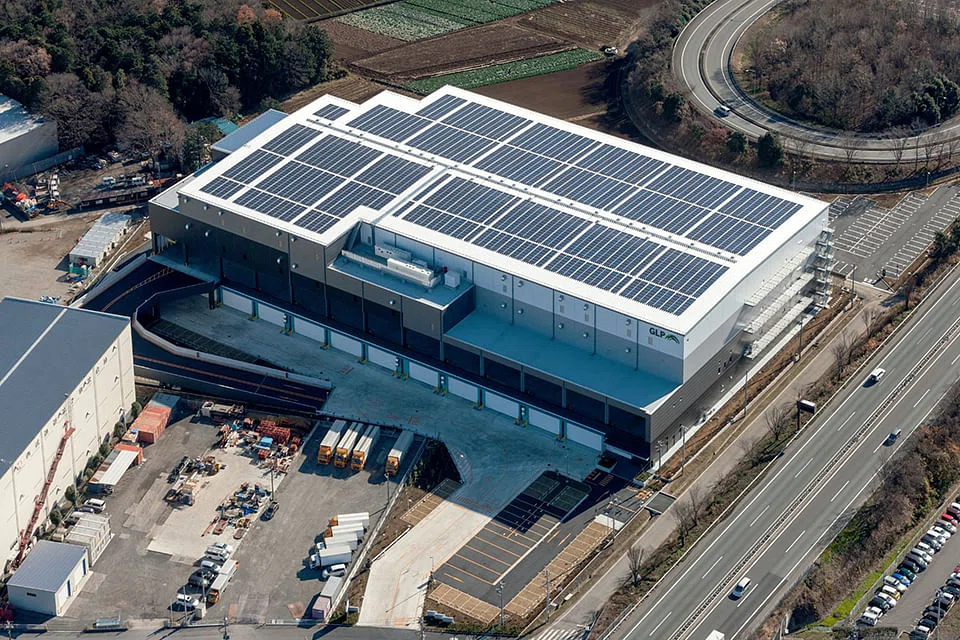
WAREHOUSE giant GLP has observed asset values soaring ever higher in the global logistics sector and compressing cap rates, as a flood of new entrants and investment capital jostle for limited supply.
Over the last 12 months, prices have risen in most of the group's markets, in some cases clocking increases of more than 20 per cent.
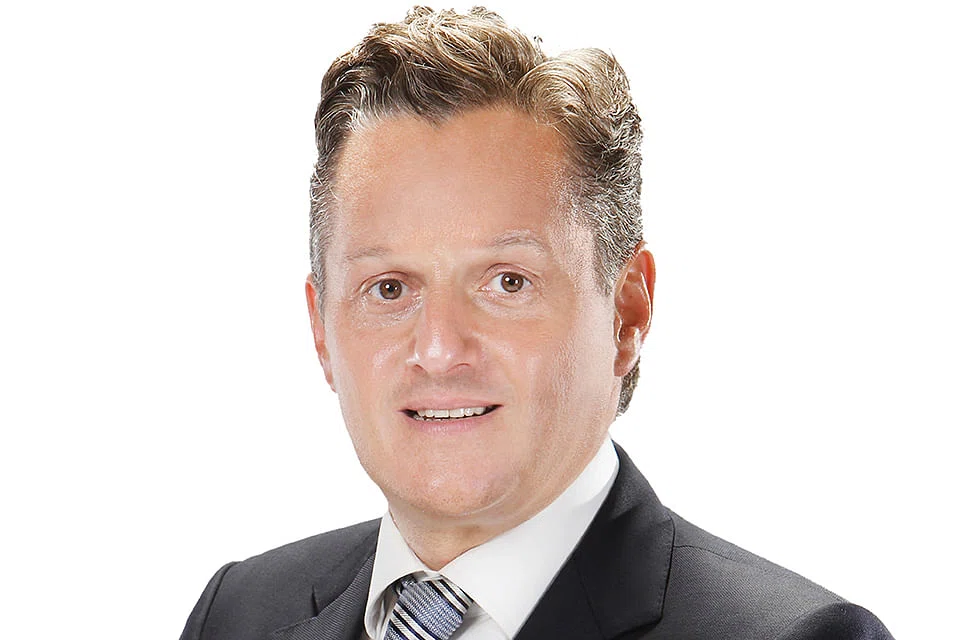
This may create a risk of frothy valuations in certain pockets of the market, if investors deploy capital too quickly without the discipline to distinguish high-quality assets from lower-quality ones, said Ralf Wessel, managing director of fund management at GLP.
He said he does not see such a risk emerging in GLP's portfolio, given that the Singapore-based logistics behemoth is "very much a disciplined investor" as well as a property developer.
"If you look at the real quality - the right locations and the right buildings, constructed to a high standard - assets are still at fair value when compared with interest rates and the alternative segments such as offices, retail properties and hotels," Mr Wessel said in an interview with The Business Times (BT).
Solid fundamentals also justify "very strong" valuations for logistics properties, he added. Red-hot demand is vying for scant supply, rents are expected to continue growing, and occupancies are hitting the high 90 per cent to 100 per cent range in markets such as Japan.
GLP anticipates low interest rates, high overall investor demand and significant structural tailwinds to continue buttressing price gains.
Some of the cap rates achieved in the market now "have set new benchmarks ahead of expectations, but can be rationalised given the substantial weight of capital chasing strong cash-on-cash yields", Mr Wessel said.
In Japan and Europe, for example, prime logistics cap rates have dipped to "mid-3 per cent" and "mid-to-high 4 per cent" respectively, he added. "In a competitive marketplace, as at present, we could see these yield levels compress further".
The Covid-19 pandemic has proven the need for a resilient logistics supply-chain system, he said. Experienced, pure-play logistics specialists with an international footprint are therefore "all growing quite fast".
At the same time, other players, including investment managers previously focused on hotels or malls, are also eager to get in on the action.
"They want to do so in an accelerated way, by hiring people very quickly to set up a logistics fund or platform. But you can't be specialists overnight; it takes time to build a team, build your market presence, and that distinctive factor plays a crucial role," Mr Wessel told BT.
Institutional investors generally remain under-invested in industrial real estate. GLP expects the weightings to continue to rise, especially as investors reallocate to logistics and data centres and away from retail and hospitality, which used to account for about 20-30 per cent. Simultaneously, these investors will try to increase allocations to industrial and digital infrastructure assets, up from the current 10-15 per cent or so.
"If you extrapolate those numbers, they'll need more than US$200 billion of logistics or data-centre assets overnight, and that simply doesn't exist," Mr Wessel said.
As for GLP's investment thesis for logistics real estate, dense urban areas where people live and consume have always been the primary focus, even before the e-commerce boom.
About 90 per cent of its leases, based on leased area, are centred around domestic consumption, instead of imports and exports.
"Whether it's diapers, dog food, or bottles of water, everything comes from a warehouse at some point," Mr Wessel said. "Where are the big cities? Where are the biggest pockets of domestic consumption? That's where we set our strategy."
In Japan, GLP is thus focused on Tokyo and Osaka. And in China, options are aplenty as there are many cities with large, dense populations.
Helped by huge tailwinds, the group signed a record 22.7 million square metres (sq m) of leases last year, up 57 per cent from 2019. It also saw sustained leasing momentum in the first half of this year, inking more than 10.1 million sq m of lease agreements, up 14 per cent from H1 2020.
Meanwhile, GLP's data-centre business in China has grown to more than 200 employees since it first invested in the asset class in 2018. The data-centre arm has 10 assets that will deliver 800 megawatts of installed capacity in China upon completion.
"Our identified pipeline in China potentially doubles that capacity over the next two or three years," Mr Wessel said. GLP is also starting to explore other markets, and it has already identified sites in Japan, Brazil and Europe suited for data centres.
GLP's global footprint has swelled to 17 countries today, up from eight when it delisted from the Singapore Exchange in 2018. In that period, it also more than doubled the size of its team and its assets under management, to about US$107 billion.
Its 2018 privatisation followed a buyout by a consortium led by developer China Vanke Co and Chinese fund Hillhouse Capital. GLP's listing in 2010 was then the largest real estate IPO globally.
The group's current focus is on augmenting its presence in key markets where it holds market-leading positions. To capture demand, GLP has accelerated its development activity. In H1 2021, it started US$4.8 billion of new development projects in China, Europe, Japan, India and Brazil, up 82 per cent from the year-ago period and almost as much as its new development activity for the whole of 2020.
Entering more new markets is unlikely to be on the immediate agenda, Mr Wessel told BT.
Last October, GLP made its foray into South-east Asia through a joint venture in Vietnam with SEA Logistic Partners. "We now have five development sites with a total land area of about 700,000 sq m, which we plan to seed into our first closed-end club partnership in Vietnam," he said.
Indonesia is another potential new market that the group has always had its eye on. "But it's a matter of finding the right partner at the right time with the right market entry, and we haven't found that yet", Mr Wessel said.
Decoding Asia newsletter: your guide to navigating Asia in a new global order. Sign up here to get Decoding Asia newsletter. Delivered to your inbox. Free.
Copyright SPH Media. All rights reserved.
TRENDING NOW

Stocks to watch: CapitaLand Ascott Trust, Keppel Infrastructure Trust, iFast, ESR Reit, First Sponsor

Indonesia says gas export cuts to Singapore remain within contract terms

If Europe goes to war, the fallout will be felt in East Asia

Government to bring forward raising of retirement age, give employers more financial support to create flexi-load jobs

