

Abe seeks step forward in Sino-Japanese ties
He welcomes summit with Xi Jinping at Apec meeting
Tokyo
JAPANESE Prime Minister Shinzo Abe has managed to pull off one of the most important meetings since taking power two years ago.
The leaders of Japan and China - the world's second-and third-largest economies - haven't had a summit during their time in office, with ties overshadowed by friction over history and territory. Now, as Chinese President Xi Jinping prepares to host Asia-Pacific leaders including US President Barack Obama in Beijing, Mr Abe has been pressing his case to begin a rapprochement.
With China urging Japan to face up to its militarist past, the meeting might bolster Mr Abe as he tries to cool tensions over disputed islands in the East China Sea. While granting an audience on his home turf would help Mr Xi appear statesman-like as he seeks great power status to match the US in Asia, the two sides may be too far apart on key issues for a full summit.
"It would be a great step forward if the leaders of the two major Asian powers could have a meeting to resolve the long stand-off," said Liang Yunxiang, a professor of Japanese studies at Peking University. "They also need to be aware that their meeting might inflame sentiments at home."
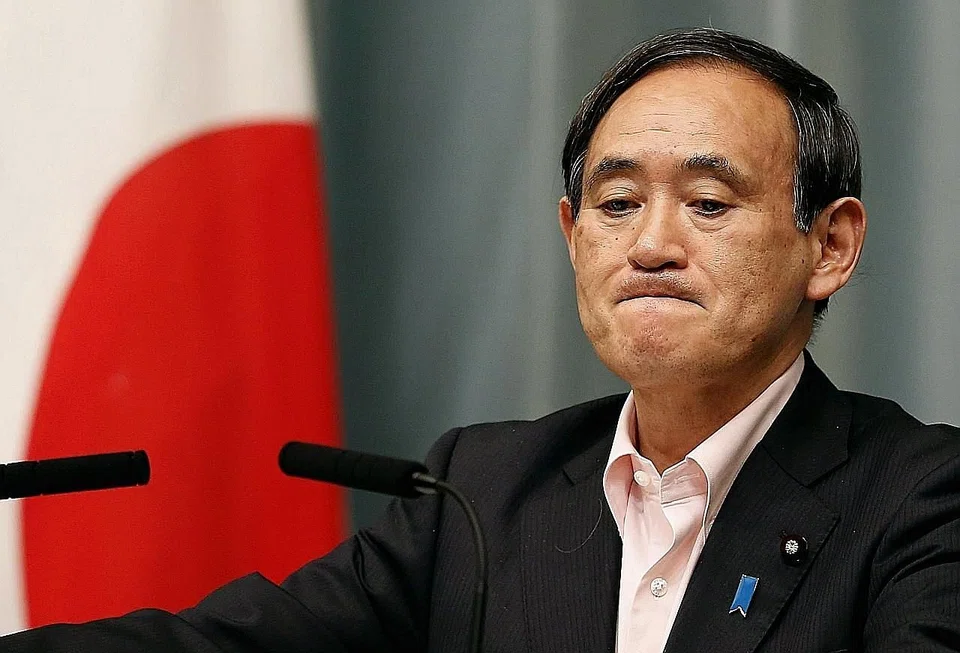
China will be the 50th country that Japan's most globe-trotting prime minister has visited since taking office. Mr Abe has repeatedly said that he would welcome a first summit with Mr Xi at the two-day Asia-Pacific Economic Cooperation meeting that starts on Monday. The format is less important than whether it takes place, Japanese Chief Cabinet Secretary Yoshihide Suga told reporters in Tokyo on Friday.
Japan's purchase in September 2012 of uninhabited islands in the East China Sea sparked demonstrations in China. Ships and planes from both countries frequently tail one another around the disputed area, raising the potential for an accident. While bilateral trade is recovering and Chinese tourists are flocking to Japan, Japanese investment in China slumped by half in the first half of 2014 and surveys show animosity among the public in both nations.
About 93 per cent of Japanese have an unfavourable impression of China, up three percentage points from last year, according to a poll published by policy research group Genron NPO in September. That's more than the 87 per cent of Chinese who said that they had an unfavourable impression of Japan.
Japanese respondents cited Chinese criticism of their nation's history, and failure to comply with international rules as reasons for their aversion. Such feelings have been inflamed again by Chinese fishermen poaching red coral from around a separate group of remote Japanese islands in recent weeks.
Almost 60 per cent of Chinese respondents cited Japan's perceived lack of remorse over its past militarism as a reason for their unfavourable impression. In December last year, Mr Abe sparked anger from China and South Korea when he visited Tokyo's Yasukuni Shrine, which is seen by many people in Asia as a symbol of Japan's past aggression.
"The two parties have already begun to temper their diplomatic rhetoric to calm domestic pressures," said Lian Degui, deputy director of the Japanese Studies Center at the Shanghai Institutes for International Studies. "A meeting wouldn't provoke public outrage as long as the two countries issue a carefully worded statement at the end."
Some progress has been made towards bolstering ties. In October, former prime minister Yasuo Fukuda met Mr Xi for the second time in recent months in China, and Mr Abe shook hands with Chinese Premier Li Keqiang in Milan in October. Mr Abe's top security official, Shotaro Yachi, met counterparts in Beijing on Thursday.
"Frank talks between the leaders of Japan and China are extremely important, without getting too caught up in the format," Mr Suga told reporters on Friday.
Japan's trade with China grew 4.4 per cent to US$168.4 billion in the first half of 2014, compared with a 10.8 per cent decline in the same period of last year, according to the Japan External Trade Organization. The number of Chinese visitors to Japan rose to 1.79 million for January-September, up almost 80 per cent in the same period in 2013, according to the Japan National Tourism Organization.
Even so, Japanese investment into China slumped by almost half in the first six months of 2014, according to a July report from China's Ministry of Commerce.
The proposed summit is most important for Chinese businessmen, said Kunihiko Miyake, a visiting professor at Ritsumeikan University in Kyoto and former official at the Japanese embassy in Beijing. "If you don't send the right signal to Chinese and Japanese business circles that it's still OK to invest in China, Japanese companies will continue to leave," he said. Bloomberg






