Asian markets spooked by US-China tech row
Trump's ban on US transactions with China's Tencent and owner of TikTok could trigger retaliation from Beijing: analysts
Claudia Tan HS
Singapore
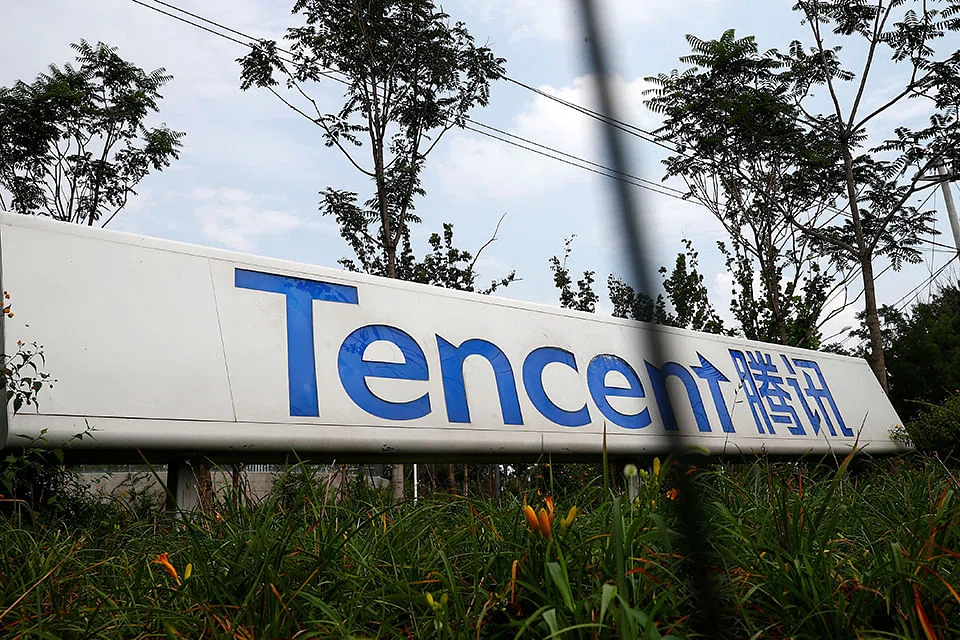
ASIA markets fell on Friday following a knee-jerk reaction towards President Donald Trump's executive orders to ban United States transactions with China's tech giant Tencent and ByteDance, the owner of video-sharing app TikTok.
The move, which came shortly after the tightening of auditing rules for Chinese firms listed in the US, added onto simmering tensions between the two. This temporarily offset earlier optimism from positive updates on Covid-19 vaccine and US stimulus package.
Against this backdrop, investors may start to assess the risks of the technological dispute spilling over into existing areas of conflict, Phillip Securities investment specialist Yeap Jun Rong told The Business Times (BT).
"In lieu of the upcoming review of the phase one trade deal next week, Beijing has fallen far behind its purchase commitments on agriculture and energy products.
" As such, the recent moves on the technological front may potentially worsen upcoming trade negotiations," he said.
Mr Yeap added that investors are therefore likely to take some risk off the table, while awaiting further clarity on the situation.
Shares of Tencent, for instance, tumbled over 5 per cent on Friday, following Mr Trump's move.
Hong Kong bore the brunt of the selling with the Hang Seng Index falling 1.60 per cent on Friday. In China, the benchmark Shanghai Composite Index slipped 0.96 per cent.
With the exception of South Korea's Kospi, which edged up 0.39 per cent, shares elsewhere in the region ended the day lower as well.
Singapore's Straits Times Index fell 0.53 per cent while the FTSE Bursa Malaysia KLCI Index dropped 0.66 per cent. Tokyo's Nikkei 225 index lost 0.39 per cent and Indonesia's Jakarta Composite Index dipped 0.66 per cent.
IG market strategist Pan Jingyi said further declines from the tech dispute may be limited unless the ban is widened, but fears over a possible retaliation from China is likely to weigh on markets.
"This could see a cautious mood preserved by the market in the near-term, with any further aggravating moves by China potentially being one to weigh on the riskier equity assets," she added.
US stocks, particularly those with a substantial China presence such as Microsoft, could potentially be hurt by fears over Chinese retaliation, according to Oanda senior market analyst Jeffrey Halley.
Chinese Internet firms, on the other hand, are expected to face pressures from heightening US regulatory pressures.
This comes as tensions have now moved from hardware to software in tech, said Carmen Lee, head of OCBC Investment Research.
"Over the longer-term, a more stringent regulatory environment will be a headwind to the global ambitions that some of these tech giants have, including Tencent and NetEase," she said.
Phillip Securities' Mr Yeap pointed out, however, that the US and China may be "more cautious and careful" when it comes to retaliation against each other given that they are both still recovering from the Covid-19 economic fallout.
Meanwhile, the upcoming US stimulus may lend some support to markets but will largely be dependent on whether a consensus can be reached by the end of the week.