

Australia, New Zealand to close borders to non-residents
 Add BT as a preferred source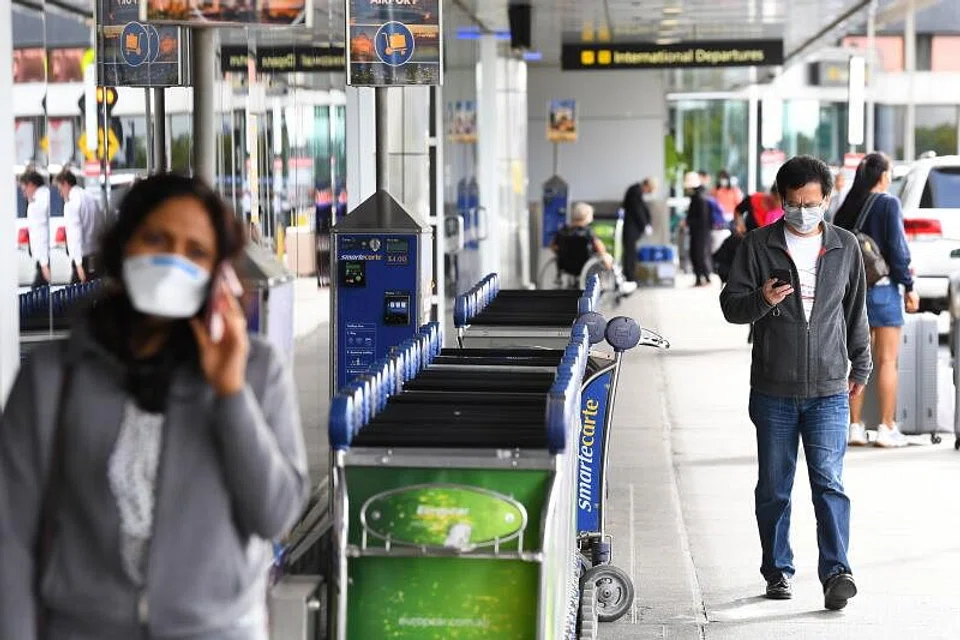
DeeperDive is a beta AI feature. Refer to full articles for the facts.
[CANBERRA] Australia and New Zealand are both closing their borders to non-residents as they step up their response to the coronavirus outbreak.
Australia's travel ban on non-residents and non-citizens will be in place from 9pm local time on Friday, Prime Minister Scott Morrison told reporters in Canberra on Thursday. New Zealand's measure comes into force at midnight tonight, Prime Minister Jacinda Ardern told a press conference in Wellington.
"The overwhelming proportion of cases in Australia have been imported," Mr Morrison said in outlining the reasons for the decision. While both nations had already imposed strict quarantine measures, with all international arrivals ordered to self-isolate for 14 days, the Australian leader said "we believe it is essential to take a further step".
Governments around the world are dramatically escalating their efforts to halt the spread of the deadly virus, with the US and Canada agreeing to close their shared border to non-essential travel. The measures taken by Australia and New Zealand are some of the most extreme, and follow a similar announcement by Taiwan on Wednesday, while Jordan has decreed that "no passengers" are allowed to enter the country.
Mr Morrison's government and the central bank are working in tandem to buttress the economy, which is at risk of slipping into its first recession in almost 30 years. The Reserve Bank of Australia on Thursday cut interest rates to a record-low 0.25 per cent and will target three-year government bond yields. The government, which last week announced a A$17.6 billion (S$14.71 billion) fiscal stimulus plan, is working on a second support package.
Australia had 565 confirmed cases of coronavirus as at 6.30am Sydney time on Thursday, according to official government statistics, with 111 new cases recorded in 24 hours. At least six people have died from the disease. New Zealand currently has 28 confirmed cases, all of whom contracted the virus abroad, and no deaths.
Navigate Asia in
a new global order
Get the insights delivered to your inbox.
The majority of New Zealand's cases are residents, suggesting that closing the border to foreigners may not prove effective. An estimated 100,000 to 110,000 residents are currently travelling overseas, Statistics New Zealand said earlier on Thursday, an indication of how many may be returning in coming weeks.
"At no time in New Zealand's history has a power like this been used, and I recognise how extraordinary it is, but we have to make decisions in best interests of the health of those who live here," Ms Ardern said. "While there remains no evidence of community outbreak in New Zealand to date, there continues to be significant outbreaks in other countries, and that poses a very serious risk to the rest of the world, including to New Zealand."
The government understands that the decision will have further impacts on New Zealand's economy, she said.
BLOOMBERG
Decoding Asia newsletter: your guide to navigating Asia in a new global order. Sign up here to get Decoding Asia newsletter. Delivered to your inbox. Free.
Share with us your feedback on BT's products and services
TRENDING NOW
Autobahn Rent A Car directors declared bankrupt over S$50 million each owed to DBS

Higher costs, lower returns: Why are Singaporeans still betting on real estate?

Richard Eu on how core values, customers keep Singapore’s TCM chain Eu Yan Sang relevant

Loyang Valley sold for S$880 million to SingHaiyi-led consortium

