

Australia's central bank upbeat on economy despite slower growth
 Add BT as a preferred source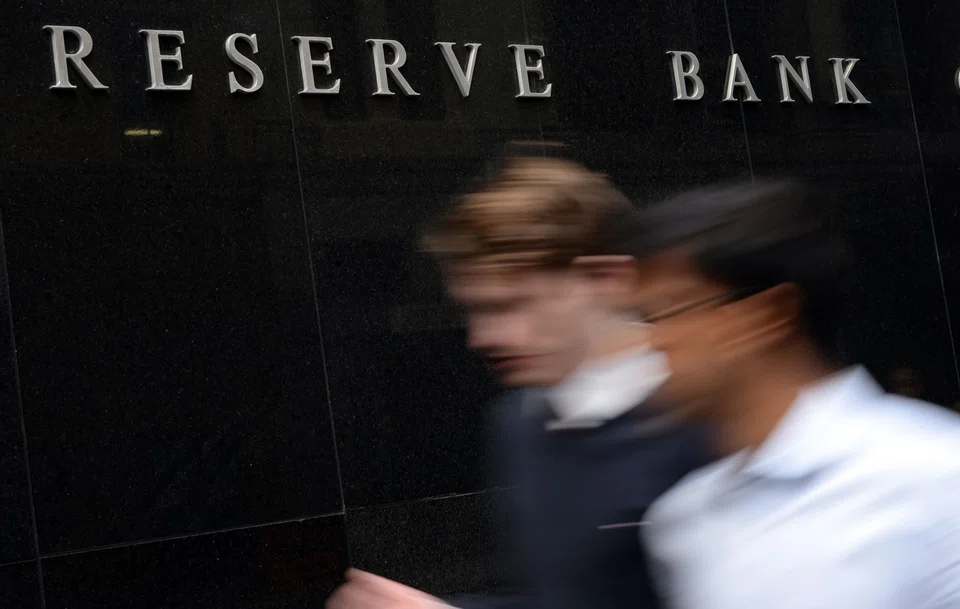
DeeperDive is a beta AI feature. Refer to full articles for the facts.
[SYDNEY] Australia's central bank Friday tempered expectations of an improvement in economic growth as the nation grapples with the shift away from mining-led investment, but said there were signs of a strengthening jobs market.
The Reserve Bank of Australia said "in the face of significant structural change, the economy has continued to grow at a moderate pace over the past year", but added there were signs of improving conditions including in the labour market and in the non-mining sector.
"Data on the domestic economy over the past few months have generally been positive," the RBA said in its quarterly statement on monetary policy, in which it outlines its outlook for the Australian economy.
The economy has been under pressure in recent months as it exits an unprecedented boom in mining investment and non-resources activity stays soft.
The unemployment rate has hovered around a decade-high and increased to 6.3 per cent in July according to official data.
The central bank lowered its growth forecast for the year to June 2016 to 2.0-3.0 per cent, from 2.5-3.5 per cent three months ago.
Navigate Asia in
a new global order
Get the insights delivered to your inbox.
The RBA estimated GDP to be 25 percentage points lower to 2.5-3.5 per cent in the year ending December 2016, but lifted its year to June 2017 forecast to 3.0-4.0 per cent.
The central bank said better-than-expected labour market conditions meant it anticipated the jobless rate to be lower than previously forecast, although it would "remain little changed over the next 18 months... before declining".
It had previously estimated a peak of 6.5 per cent.
The central bank also shifted its outlook for consumer prices, increasing projections for underlying inflation - which strips out volatile items - by 25 percentage points for the 2016 and 2017 financial years to 2.0-3.0 per cent.
The RBA has slashed interest rates by 250 basis points since November 2011 as it loosens monetary policy to support economic growth. The cash rate is now at a record-low of 2.0 per cent, with the latest cuts coming in February and May.
ANZ senior economist Felicity Emmett said the latest statement suggested interest rates would stay on hold for an extended period, with an easing bias.
"A prolonged period of elevated unemployment, together with potential upward pressure on lending rates from higher capital requirements and other regulatory measures suggest that further monetary policy easing over the next 6-12 months cannot be ruled out," she said in a note.
AFP
Share with us your feedback on BT's products and services
TRENDING NOW

Air India asks Tata, Singapore Airlines for funds after US$2.4 billion loss

Beijing’s calculated silence on the Iran war

China pips the US if Asean is forced to choose, but analysts warn against reading it like a sports result

Richard Eu on how core values, customers keep Singapore’s TCM chain Eu Yan Sang relevant

