

BOE's Broadbent says he's not ready to raise rates just yet
 Add BT as a preferred source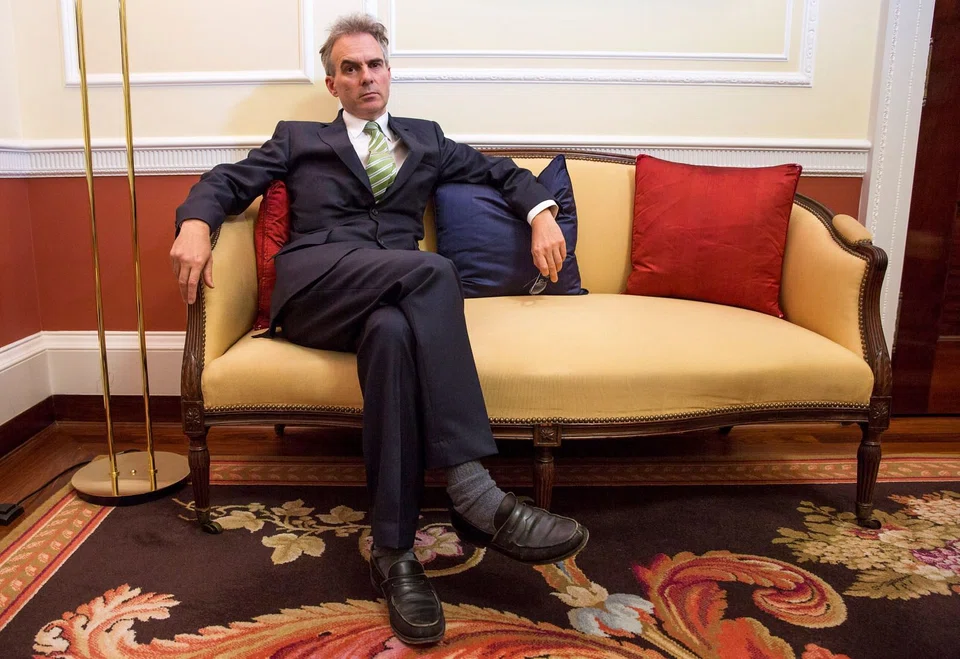
DeeperDive is a beta AI feature. Refer to full articles for the facts.
[FRANKFURT] Bank of England Deputy Governor Ben Broadbent said he's not ready to vote for higher interest rates, even though he sees pressures to do so building up.
"There is reason to see the committee moving in that direction, but there are still a lot of imponderables," Mr Broadbent said in an interview with The Press and Journal.
"It is a bit tricky at the moment to make a decision."
Ten years to the month since Britain last raised borrowing costs, the BOE faces a diverging economy.
Inflation is above target, in part because of the pound's slump since the nation voted to leave the European Union, but growth is struggling because of uncertainty over what Brexit will look like.
The Monetary Policy Committee voted last month 5-3 to keep rates on hold.
Navigate Asia in
a new global order
Get the insights delivered to your inbox.
The pound fell after Broadbent's remarks were published, with sterling declining 0.2 per cent at US$1.2820 at 8.51am London time.
The Monetary Policy Committee's next decision will be on August 3, when it will also publish new economic forecasts.
Mr Broadbent's comments are one of the last remaining puzzle pieces as to where committee members stand on whether to withdraw some of the stimulus introduced in the wake of the Brexit vote last year.
Michael Saunders and Ian McCafferty, who were among the three officials to vote for a rate rise at the last meeting, have since made their cases for why policy should be tightened.
The third, former policy maker Kristin Forbes, was known for dissenting in favour of higher rates but has been replaced by Silvana Tenreyro, who will cast her first BOE vote next month.
Those voting for an increase may be joined by chief economist Andy Haldane, who said last month that the risks of leaving policy tightening too late are rising.
Governor Mark Carney said that some removal was "likely to become necessary if the trade-off facing the MPC continues to lessen and the policy decision accordingly becomes more conventional."
Inflation is now at 2.9 per cent, above the BOE's two per cent target. And while that's squeezing consumers' spending power and damping growth, the MPC's tolerance for higher price growth is being tested.
Mr Carney said last month that he will look at three factors to inform his decision about raising rates: the extent to which weaker consumption growth is offset by other areas of demand such as business investment, pay and labor unit costs, and how the economy reacts to Brexit.
BLOOMBERG
Share with us your feedback on BT's products and services
TRENDING NOW

Ministry of Home Affairs Permanent Secretary Pang Kin Keong to retire

Shelving S$5 billion office redevelopment plan proved ‘wise’ as geopolitical risks mount: OCBC chairman

Richard Eu on how core values, customers keep Singapore’s TCM chain Eu Yan Sang relevant

China pips the US if Asean is forced to choose, but analysts warn against reading it like a sports result

