

Builders can consider hostels for worker housing; but safe-distancing rules stay
The authorities have concerns that communal-style living at hostels presents risks of creating new infection clusters

Kelly Ng
Singapore
DESPERATE to ride out the lull in backpacker tourism amid the novel coronavirus pandemic, the owners of some 40 boutique hostels in Singapore are calling for the authorities to actively encourage firms to use their premises to house foreign workers.
It comes as the authorities have concerns that the communal-style of living of hostels presents risks of creating new clusters of infections, which is why "very strict" measures are in place to ensure safe distancing.
The Singapore Backpacker's Hostel Alliance, as these property owners are calling themselves, collectively own over 3,000 available beds spaces around Chinatown, Little India and Bugis, among other areas.
During a virtual meeting with representatives from various government agencies on Tuesday, the alliance was granted a small relief: the Building and Construction Authority agreed to add their addresses into an advisory for construction firms to consider as accommodation options for their workers.
But the authorities did not accede to the alliance's other requests. Among other things, it had asked for more subsidies to help relieve operating costs, as well as relaxation of certain safe distancing guidelines.
For instance, it asked for the occupancy capacity to be raised to 80 per cent from the current 50 per cent. It also asked authorities to relax the requirement for personnel to be manning the hostels round-the-clock.
An advisory by the Urban Redevelopment Authority (URA) and Singapore Tourism Board (STB) in June spelled out guidelines for hostels, including having bunk beds or capsules allocated in an alternating fashion. Hostels must also have at least one person in charge on-site 24/7 to ensure that all measures are complied with at all times.
Seah Choon Siang, who owns The Little Red Dot, Chic Capsules and the Bohemian, said during the meeting: "We're anxious because the path ahead of us is cloudy. We do not know when leisure travel will come back, and we do not know when the green lanes (for travel) will come back."
Unlike larger countries, Singapore has little domestic travel to speak of, and Singaporeans will not look to hostels for staycations, even as restrictions continue to ease in the nation. "We are trying to position a win-win situation which will help alleviate the density of foreign worker population at the dorms while also helping this segment of the accommodation industry survive and wait out a possible return of the travel market," Mr Seah told The Business Times.
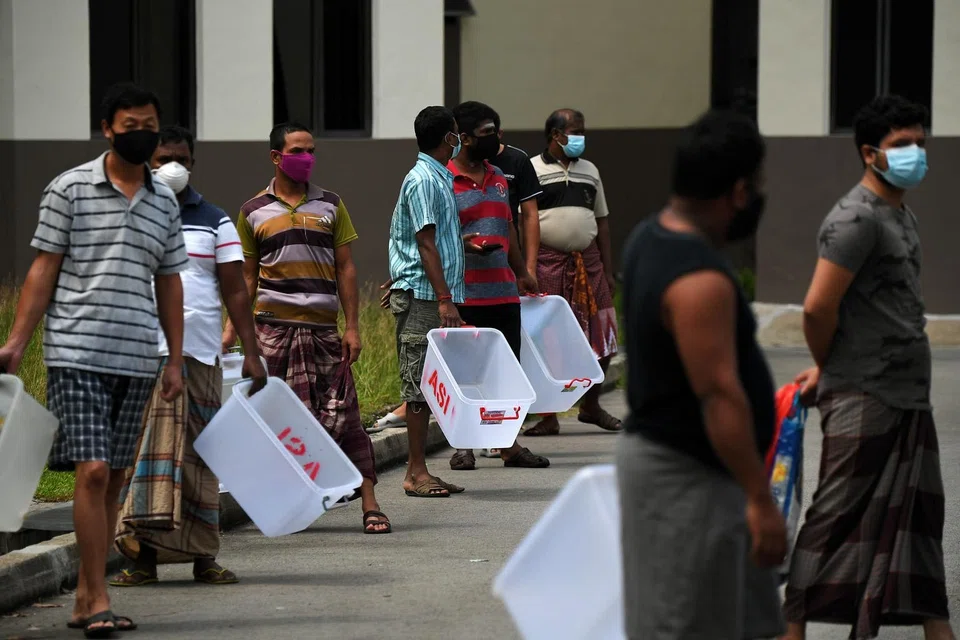
Some of the hostels currently are already housing foreign workers, many of them Malaysians who have opted to stay behind due to travel restrictions across the Causeway. But Mr Seah says more "active government intervention" is needed to alleviate the segment's operating losses.
Adler Poh, who owns Adler Hostel in South Bridge Road, added: "Hostels just can't sustain at the reduced operating occupancy while incurring increased overheads."
In response to BT's queries, an STB spokesperson said the government agencies have been in touch with the hostels on various issues, including connecting them with construction companies whose workers require accommodation.
But she stressed: "Due to the communal nature of the living conditions in hostels, hostels have had to comply with very strict safe management measures to reduce the risks of seeding new clusters of infections."
The alliance is also requesting a temporary waiver of the Temporary Development Levy charged by the URA. The levy increases yearly according to the development charge.
In some cases, it can be fairly substantial, amounting to up to six times their monthly rent, said Mr Seah.
In its latest e-mail appeal to the authorities, the alliance wrote: "Please understand that we are small enterprises that are usually championed by optimistic first-time entrepreneurs. Many, unfortunately, have not experienced such a levy in the course of our work."
TRENDING NOW
One-third of Singapore-listed firms at risk in severe AI downturn: MAS
‘We don’t want to stay as we are’: CEO Patrick Ng builds a more resilient Huationg

He built the Vingroup empire. Now South-east Asia’s richest man is handing some key roles to his sons

Radiant World table shows six lenders with US$870 million exposure

