

China-backed RCEP trade deal pushed back to 2019
Singapore
A CHINA-backed bid to complete the world's largest trade deal - without the United States - was pushed back to 2019 after Asia-Pacific trade ministers failed to agree on key terms at a meeting in Singapore.
The Regional Comprehensive Economic Partnership (RCEP), covering half the world's population, is billed as an antidote to US President Donald Trump's "America First" agenda, which has seen tariffs imposed on almost half of all Chinese imports to the US - and retaliatory levies by Beijing.
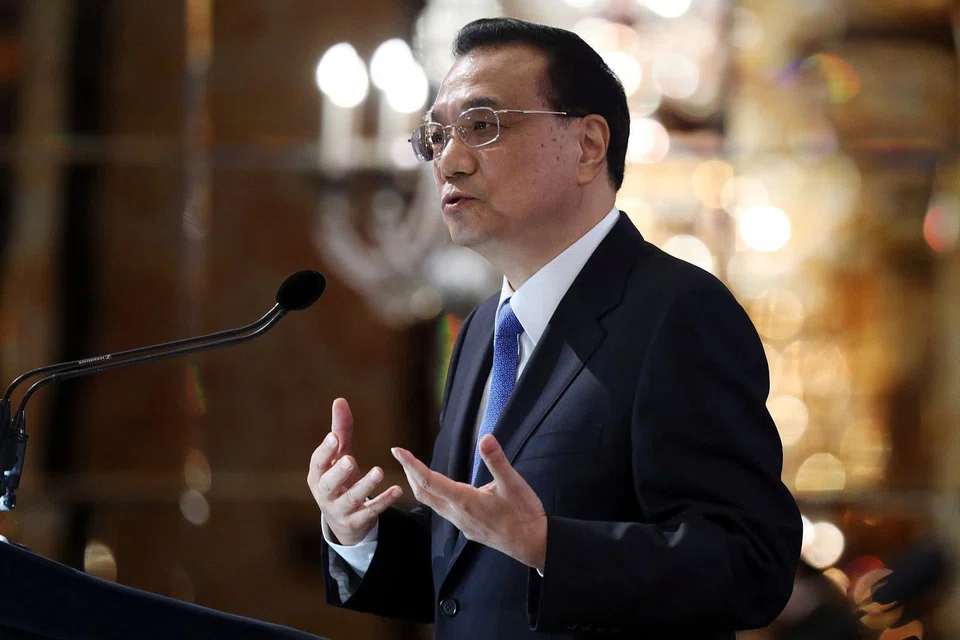
Chinese Premier Li Keqiang, who is attending a summit in Singapore to rally support for the deal, said he hoped the RCEP would be signed and implemented next year. "(The RCEP) is going to deliver real benefits to the people of our region," he said in an address on Tuesday.
China is now the standard bearer of global free trade, he added, with the RCEP - a sweeping 16-country deal that includes China, Japan, India and the 10 member states of Asean - at the heart of its strategy.
"It's going to send a message to the international community that we stand by free trade ... with rising protectionism and strains on free trade, we need to advance the RCEP negotiations," Mr Li said. He conceded that the Chinese economy was facing "challenges" in the wake of the trade war with the US, but insisted strong fundamentals meant radical intervention was not the remedy. "Despite downward pressures, we will not resort to massive stimulus," he said.
Trade diplomats said negotiations will run deep into 2019.
"We made significant progress," New Zealand Minister of State for Trade and Export Growth Damien O'Connor told reporters after talks late on Monday. "But we are very happy with that and (it) is heading in the right direction."
India's concerns over opening its markets to competition, in particular from Chinese firms, has been a key sticking point in the several years of negotiations. But New Delhi's delegation welcomed the incremental steps towards establishing the trade agreement. "The future lies in RCEP," Indian Trade Minister Suresh Prabhu said, but urged a patient approach to talks to ensure "every country will benefit from it".
Several general elections scheduled in early 2019 - including in India, Thailand and Indonesia - have complicated the time-frame of a deal that will open markets in countries covering nearly half the world's gross domestic product.
A draft leaders' statement on the RCEP seen by AFP noted the urgency of reaching an agreement "given the current headwinds faced by the global economy". AFP
READ MORE: US faces credibility trap as China looks a century ahead
TRENDING NOW
Prima to move out of historic Keppel Road flour mill building in 2028

Grab CEO’s wife Chloe Tong on life with Anthony Tan and finding her purpose

OCBC sheds S$8 billion in value as shares close nearly 6% down; analysts cautious on banks

As Asia’s food delivery giants rejig the pie, who will win the market?

