

Countries should take stand against anti-globalisation sentiment amid trade tensions: Iswaran
 Add BT as a preferred source
Janice Heng
DeeperDive is a beta AI feature. Refer to full articles for the facts.
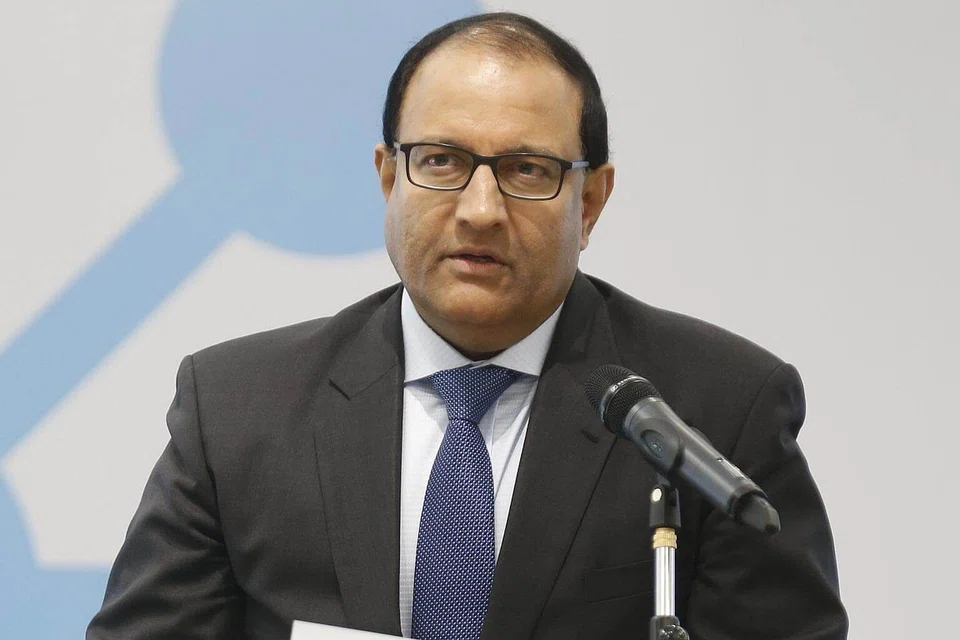
AGAINST a backdrop of anti-globalisation rhetoric and trade tensions, like-minded nations must persevere with efforts to deepen economic connectivity and embrace free trade, Minister-in-charge of Trade Relations S Iswaran said on Tuesday morning.
Although the uneven distribution of gains from globalisation and technological advances has led to rising protectionist sentiment, the benefits of free trade are undeniable, he said.
"We need strong political leadership, informed by sound economic analysis, for governments to collectively choose the right path at this juncture, and to be able to persuade their people of its merits," he added, as he expressed Singapore's support for free and open markets, and the rules-based multilateral trading system.
Mr Iswaran, who is also Minister for Communications and Information, was speaking at the second annual Dentons Rodyk Dialogue, organised by the Singapore Management University's (SMU) Centre for Cross-Border Commercial Law in Asia, and law firm Dentons Rodyk.
Titled "International Trade in the Age of Brexit and Trump", the dialogue also featured former Canadian prime minister Stephen Harper, law professor Tania Voon from the University of Melbourne, and Ho Kwon Ping, chairman of the SMU Board of Trustees and executive chairman of Banyan Tree Holdings.
Mr Iswaran noted that countries large and small, developed and developing, are all beneficiaries of open and connected markets. The benefits are not just economic, but also social, cultural and strategic, he added.
Navigate Asia in
a new global order
Get the insights delivered to your inbox.
Like-minded countries must therefore unite against anti-globalisation instincts, he said, citing the recently-signed Comprehensive and Progressive Agreement for Trans-Pacific Partnership as an example of such solidarity.
To stay relevant, the global trade architecture must itself adapt to economic changes, addressing "modern trade issues" such as climate change, intellectual property, data flows and the digital economy, Mr Iswaran added.
And importantly, trade and globalisation must be complemented by domestic policies so the fruits can be equitably distributed, he concluded, citing SkillsFuture and industry transformation maps as Singapore's key moves on this front.
Copyright SPH Media. All rights reserved.
TRENDING NOW
‘Boring’ is the new black: The stars are aligning for a Singapore stock market revival
Near sell-out launches in March boost developer sales to 1,300 units after four slow months

China pips the US if Asean is forced to choose, but analysts warn against reading it like a sports result
Genting Singapore’s Lim Kok Thay receives S$7.5 million pay package for FY2025

