

E-payments use in Singapore only scratching surface: PayPal
Survey shows 98% of Singaporeans own smartphones, but 90% still prefer cash as primary mode of payment

Michelle Quah
Singapore
SMACK on the heels of Prime Minister Lee Hsien Loong's call to transform Singapore into a Smart Nation is global online payments service provider PayPal's research showing just how much further Singapore needs to go to achieve that.
New research by the American company, released on Tuesday, showed that while Singapore may be one of the world's most digitally literate countries, the city-state's current usage of e-payments is only scratching the surface of what it could be.
PayPal's study, Digital Payments: Thinking beyond Transactions, surveyed 4,000 consumers and 1,400 merchants across seven markets in Asia, of which 500 consumers and 200 merchants were from Singapore[/1].
It found that, to achieve PM Lee's vision of a high-tech, advanced society running on cashless payments will involve the collaboration of both industry players and government regulators within the payment ecosystem, to further drive the adoption of digital payments and unlock the full potential of this new payment method.
Singapore topped the Asian nations surveyed in terms of smart-device usage: 98 per cent of the 500 consumers surveyed said they personally own a smartphone; most own more than one mobile device; and 100 per cent accessed the Internet several times a week or more.
Singapore consumers are also highly aware of the various digital payment options available, with three out of five surveyed being aware of at least one such method.
Yet, cash remains the primary method for conducting transactions in Singapore, PayPal's study found. Ninety per cent, compared to the regional average of 88 per cent, still prefer cash as their primary mode of payment.
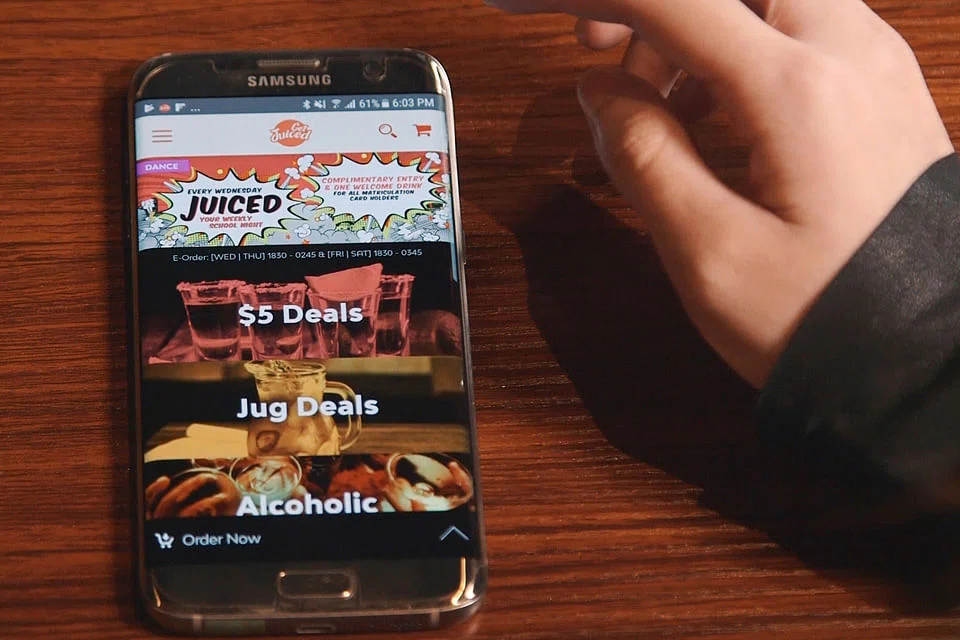
When asked which payment method they used most often, 43 per cent said they use cash, compared to 3 per cent who use e-wallets or mobile wallets, and 2 per cent who use contactless payments via mobiles.
And, this is despite the problems they cited with using cash, including: having insufficient cash on hand (44 per cent), facing long queues at automated teller machines or ATMs (44 per cent) and ATMs not being easily accessible (34 per cent).
Also, 43 per cent who relied on cash said they have difficulties managing their bills or credit payments, compared to a smaller proportion (22 per cent) of digital payments users.
"We have found that one of the key reasons Singaporeans do not use digital payments is due to privacy concerns (51 per cent)," said Rahul Shinghal, general manager, PayPal Southeast Asia.
He said that PayPal hopes to manage such concerns. "Protecting the interest of our users is as important as investing in a security infrastructure. On top of ensuring full financial information is not shared with merchants when purchases are made, we have safeguards such as PayPal Buyer Protection for consumers and PayPal Seller Protection for businesses that provide ease of mind when they conduct their transactions online."
PayPal also found that contentment with current modes of transaction plays a part, with more than half of those surveyed here saying they were happy with their current mode of transactions.
PayPal believes that, for Singapore in particular, peer-to-peer education - along with government and industry-level efforts - would be one of the more effective ways for the popularity of digital payments to spread here, as consumers and merchants alike share their positive experiences.
PayPal's study found that digital payments provide consumers with more options and also the tools to better manage their finances, in particular bill payments. The ability to track payments, pay instantly, and the choice of payment methods can be a boon to managing consumers' cash flow and their financial health, it said.
Digital payments also offer a transformational solution for businesses because they increase convenience for consumers, PayPal added. They also enable new economic opportunities, such as helping businesses generate new income streams.
Thirty-four per cent of businesses surveyed in Singapore said that they were able to reach a wider audience by selling online.
Eighty-five per cent of merchants surveyed who have turned to selling goods and services on social media, of which digital payment is a key transaction method, are seeing positive effects on their financial health.
Of this group, a significant 88 per cent said social commerce has widened their reach beyond Singapore and 84 per cent are convinced that social commerce helped grow their business.
The ripple effect on the broader economy is even more promising. Financially healthy individuals spend their money at local businesses and start companies of their own, while financially healthy businesses create jobs that pay good wages and support the economic development of communities, PayPal said.
"We are already taking great strides in making digital payments part of our daily lives, but as rightly pointed out by PM Lee in his 2017 National Day Rally Speech, we still have some ways to go," Mr Shinghal said.
READ MORE: Singapore looks into common QR code for cashless payments
TRENDING NOW
Government to bring forward raising of retirement age, give employers more financial support to create flexi-load jobs
If Europe goes to war, the fallout will be felt in East Asia
Former minister Maliki Osman, Revolut chairman join Asia Gulf Holdings advisory board

Small nuclear reactors could boost the Asean Power Grid: GE Vernova executive

