

End of an era as China scraps one-child policy
Historic change but economists doubt new policy will quickly redress population imbalance
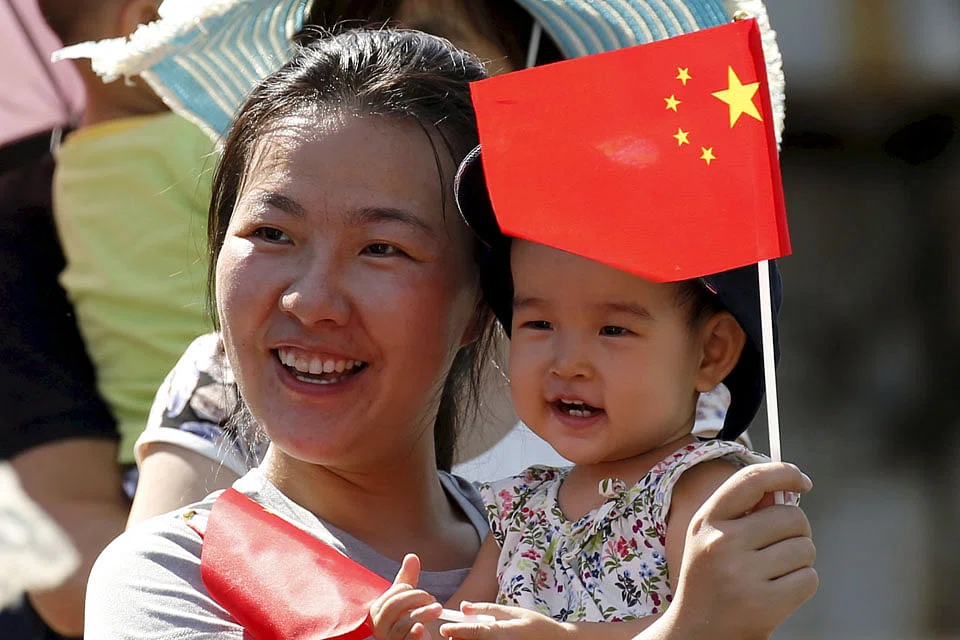
Beijing
CHINA has officially ended its one- child policy, according to a communiqué issued at the close of the fifth plenum of the Communist Party's Central Committee on Thursday night.
"China will allow all couples to have two children, abandoning its decades-long one-child policy," Xinhua News Agency reported, quoting the communiqué without providing any specific reason for the sudden change in policy.
The news released by Xinhua said all the provinces will be responsible for implementing the new law at their own pace.
China will "fully implement a policy of allowing each couple to have two children as an active response to an ageing population", Xinhua said, quoting the statement.
Though rumours about abolishing the controversial policy were rife, there was little clue that the news would be announced on Thursday night. Recently, news reports saying the policy would be abandoned this year were deleted from the Internet.
Introduced in 1978, the one-child policy has been gradually eased over the past two years as China faces an increasing gender imbalance and shortage of workers. China says the policy has prevented a total of 400 million births, many through forced abortions.
Since 2013, parents in major cities have been allowed to have two children if one of the parents is an only child. However, after forecasting a "baby boom", economists said that many urban couples did not in fact rush to have another child, citing the rising cost of education and the lack of a secure social safety net.
They also said administrative roadblocks to apply for the permit delayed second pregnancies.
According to state media, just about 30,000 families in Beijing - 6.7 per cent of those eligible - applied to have a second child after the policies were relaxed.
China had hoped the relaxation of its family-planning policies would produce 2 million new births, but official demographic figures show that only one million extra babies have been born since 2013.
Though the news was welcomed by Chinese and foreign economists, many expressed doubts that the policy change would actually have an effect any time soon.
"There was a minor rush when the new policies were announced last year with one million new permits applied for. That pressure has now been released. So I don't expect much of a change in the near term," said Alexander van Kemenade, Beijing-based analyst with the Economist Intelligence Unit.
"Increasing the child quota is unlikely to work in rebalancing China's ageing population, because China - like everywhere else - is looking at a low birth rate, especially among affluent, well-educated women," said Anna Smajdor, who specialises in medical ethics at the University of East Anglia's Norwich Medical School. "In many cases, it is not that women are not allowed to have more children, but that they do not want to," Dr Smajdor added.
The plenum, held behind closed doors, also discussed China's future economic policies and the next five-year plan.
Though a more detailed plan will be announced during the National People's Congress next March, the communiqué read on the 7pm news on Thursday night gave a few insights into China's policies from 2016-2020.
As expected, the statement said that China would target medium to high growth and aim to double its per capita income by 2020.
It reiterated China's commitment to reform and its intention to give the market a bigger role in the economy.
The Chinese government "will intervene less in price formation", the communiqué said. "It will deregulate pricing products and services in competitive sectors from 2016 to 2020."
More details are expected in the coming days.
The annual plenum brought together China's 376 most important party members.
TRENDING NOW

Grab CEO’s wife Chloe Tong on life with Anthony Tan and finding her purpose
As Malaysia’s chip goals morph into a multi-state model, are they outgrowing Penang?

Singapore-based Ryde accused of pump-and-dump fraud in class action lawsuit
Green fuels, autonomous ships: How Singapore is future-proofing its shipping industry

