

EY calls for tax credits to keep R&D in Singapore
It also suggests easing of tax rules for VCs and family offices

Singapore
INNOVATION and jobs are some key areas that the upcoming Budget can address, according to a new wish list from professional services firm Ernst & Young Solutions (EY) that echoes earlier calls from the industry.
But, after suggestions by rivals PwC and Deloitte for measures such as tax deduction for companies' research and development (R&D) overseas, EY said instead on Thursday that "it is important that companies are encouraged to continue to carry out R&D activities in Singapore".
To that end, it recommended non-taxable credits for R&D spending on research that is done in the Republic.
With the use of credits, rather than tax deductions, EY business incentives advisory director Johanes Candra said that "allowing companies to cash out the R&D credits (up to a cap) could help sustain R&D activities" for businesses in a tax-loss position.
Tax rules could also be relaxed to make venture capital funds and family offices eligible for finance and treasury centre incentives now closed to non-financial institutions, he said.
EY tax services partner Toh Shu Hui also suggested tax breaks on divestment gains from joint ventures that were set up to develop digital industry solutions, as well as merger and acquisition allowances for investments in Singapore-based tech startups that offer such business tools.
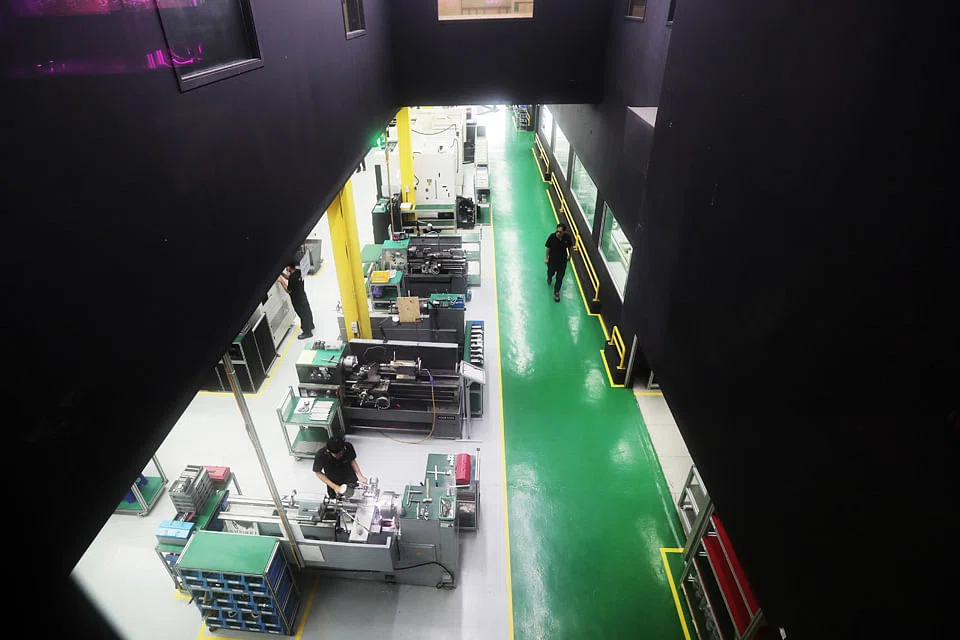
Otherwise, Samir Bedi, who is EY's Asean workforce advisory leader, urged the government to peg support measures for Industry 4.0 transformation to plans for reskilling and job redesign at small and medium-sized enterprises (SMEs) in manufacturing.
To nab some digital transformation grants, such small businesses should be able to plan for their workers to also take part and benefit, he explained to The Business Times.
Mr Bedi also called for "a more targeted funding model" for SkillsFuture Credit, such as credits that can be applied only to courses that teach high-demand digital capabilities or support career conversion programmes.
"We should be able to define which skills are most critical for organisations to thrive in Singapore and for citizens to have continuous employment as well," Mr Bedi told BT.
Separately, EY has also called for two tax tweaks in the Singapore-listed real estate investment trust (S-Reit) sector: a tax exemption on foreign rental income, and relief of stamp duty when Reits are consolidated.
S-Reits already get tax breaks on foreign-sourced dividends, interest, trust distributions and branch profits. EY's Singapore real estate tax leader Lim Gek Khim said that the tax exemption could also cover the interest income on loans from S-Reits to their subsidiaries here, if the interest income comes out of rental and ancillary income from properties abroad.
Meanwhile, EY also suggested the S-Reit sector could be strengthened if smaller Reits bowed out by way of mergers. High-profile Reit deals last year included OUE Commercial Reit's purchase of OUE Hospitality Trust and Ascott Residence Trust's buyout of Ascendas Hospitality Trust.
Said Ms Lim: "Given that stamp duty remission is no longer available to S-Reits and that they are now on a level playing field with other forms of entities, it is timely to widen the scope of stamp duty relief for transfer of assets between associated permitted entities to include S-Reits..."
Other Budget proposals included raising the amount of losses that businesses can carry back on their taxes, and extending the 20 per cent corporate income tax rebate for two years.
Overall, industry watchers expect the Budget to extend a helping hand amid an economic slowdown that has put the squeeze on businesses. Singapore's yearly growth in 2019 has been pegged at a decade low of 0.7 per cent, in the latest official estimates.
Prime Minister Lee Hsien Loong has said the Budget "will support businesses to raise their productivity and build new capabilities", and will help workers to "stay employable". This year's Budget is set to be delivered on Feb 18.
TRENDING NOW
32 companies, 6 individuals bag accolades at Singapore Corporate Awards 2026

He built the Vingroup empire. Now South-east Asia’s richest man is handing some key roles to his sons
URA to review guidelines on floor space to give developers more design flexibility: Chee Hong Tat
Chagee, Mixue and Luckin won the market. Sustaining their edge is the harder part

