Four Asian elections to watch out for in 2019
Indonesians, Thais, Indians and Australians will head to the polls to pick their leaders

Lee U-Wen
Singapore
THERE will be plenty of election fever in Asia in 2019. Many major economies in the region are expected to hold national elections in the coming months.
BT spotlights four countries that are getting ready to send their citizens to the polls.
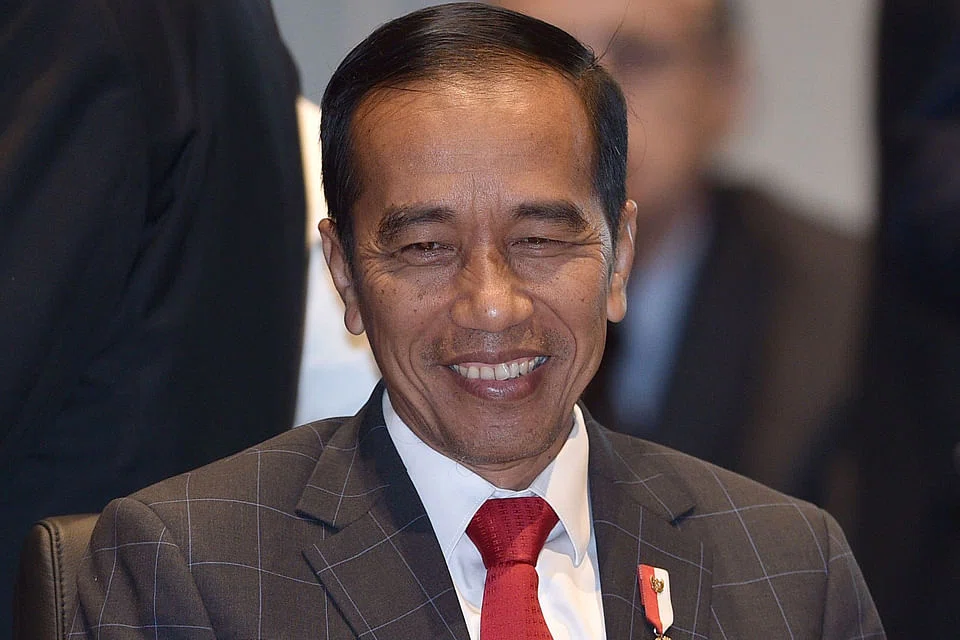
Indonesia Incumbent: President Joko Widodo
On April 17, South-east Asia's largest economy will see up to 187 million voters electing a new president and vice-president. It will also be the first time that Indonesians pick their president and members of parliament on the same day - a historic occasion.
All eyes, of course, will be on the presidential race - a race in which a team of the presidential and vice-presidential candidates needs to clinch more than 50 per cent of the popular vote to win.
If none of the candidate pairs manages to do so, then the top two pairs will square off in a second round of voting.
As things stand, the incumbent President Joko Widodo - popularly known as Jokowi - is tipped to retain power, if the current polls are any indication. His VP running-mate is senior Islamic cleric Ma'ruf Amin, a man who has helped boost Mr Widodo's religious credentials.
The two are up against former general Prabowo Subianto and former Jakarta deputy governor Sandiago Uno for the right to serve a five-year term from 2019 to 2024.
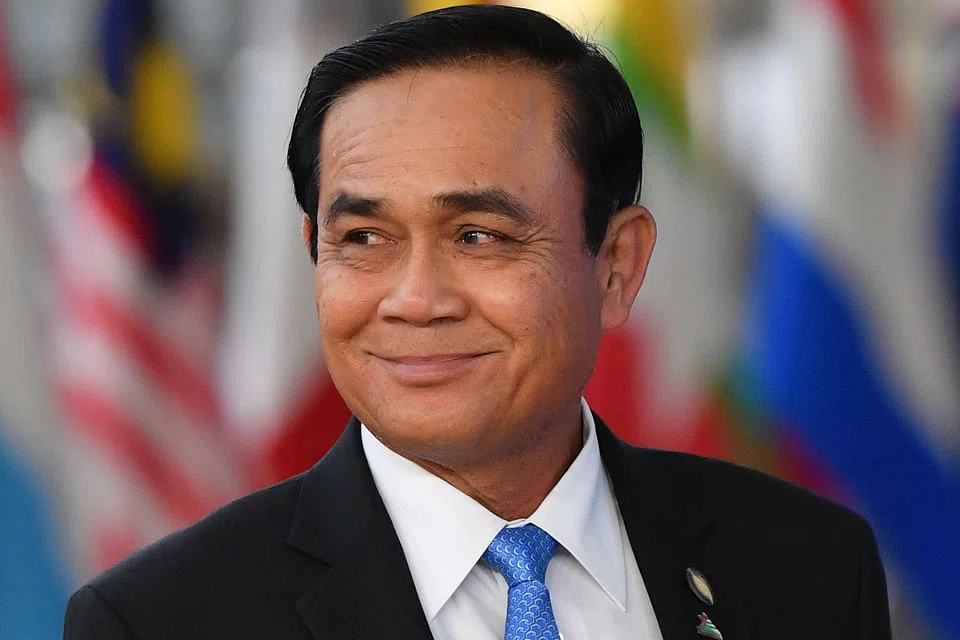
Thailand Incumbent: Prime Minister Prayut Chan-o-cha
At long last, Thailand will hold an election on Feb 24, after numerous delays ever since the ruling junta regime led by Prayut Chan-o-cha, a former commander in chief of the Royal Thai Army, seized power in a bloodless coup back in 2014.
The election, significant to the country in many ways, is expected to be fiercely contested and likely to pit the populist political movement backed by former prime minister Thaksin Shinawatra, who still commands a strong support base in the rural areas, against the military and royalist establishment, which has its own proxy political parties.
The election will mean the return to a long-awaited democratically elected government, which is particularly important given that Thailand holds the rotating chairmanship of the 10-member Association of Southeast Asian Nations (Asean) in 2019.
There will be dozens of Asean meetings held throughout the year, including two major summits - one in June, the other likely in November - involving the leaders of the regional bloc and its strategic partners.
The Thai election - the first to take place since King Maha Vajiralongkorn succeeded the throne in 2016 after the death of his father - will also be welcomed by the local business community and foreign investors alike, even though analysts point to Thailand's history as evidence that even an unexpected result on Feb 24 won't prompt any lasting damage in markets and investment.
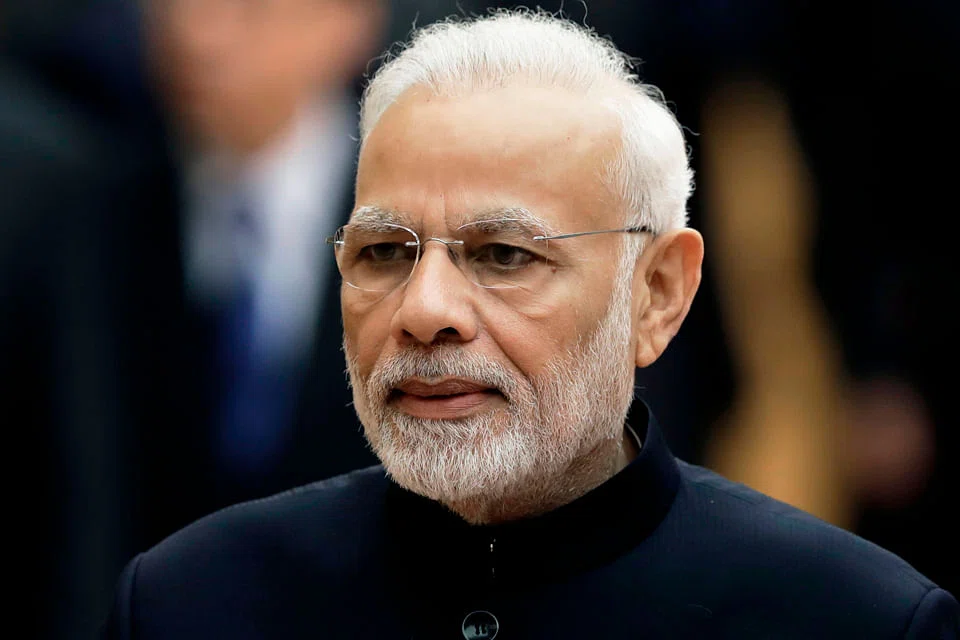
India Incumbent: Prime Minister Narendra Modi
Some time in April or May, an estimated 900 million Indians will go to the poll to elect their next leader and a new parliament.
Prime Minister Narendra Modi, who took office in 2014 with bold promises to revive the Indian economy and create jobs for the country's youth, will face a tough battle ahead as questions loom over his handling of an economy that has weakened in recent months.
The rupee also had a torrid 2018, falling by about 10 per cent against the US dollar. It ranks as one of Asia's worst performing currencies.
Mr Modi's policies, such as the change in the tax system and the ban on cash, have proven to be highly disruptive to the economy, while many of his proposed reforms - like for land acquisition and labour laws - have not been carried out. His Hindu nationalist Bharatiya Janata Party had a big wake-up call in December, when the opposition Congress Party won three state elections.
Is the tide turning? Mr Modi's supporters don't seem to think so. They insist that he is the country's most popular leader, adding that state election results don't necessarily translate to the national level.
Still, with Mr Modi appearing to be weaker than he was five years ago, the upcoming election looks to be one of the most fiercely contested in India's history.
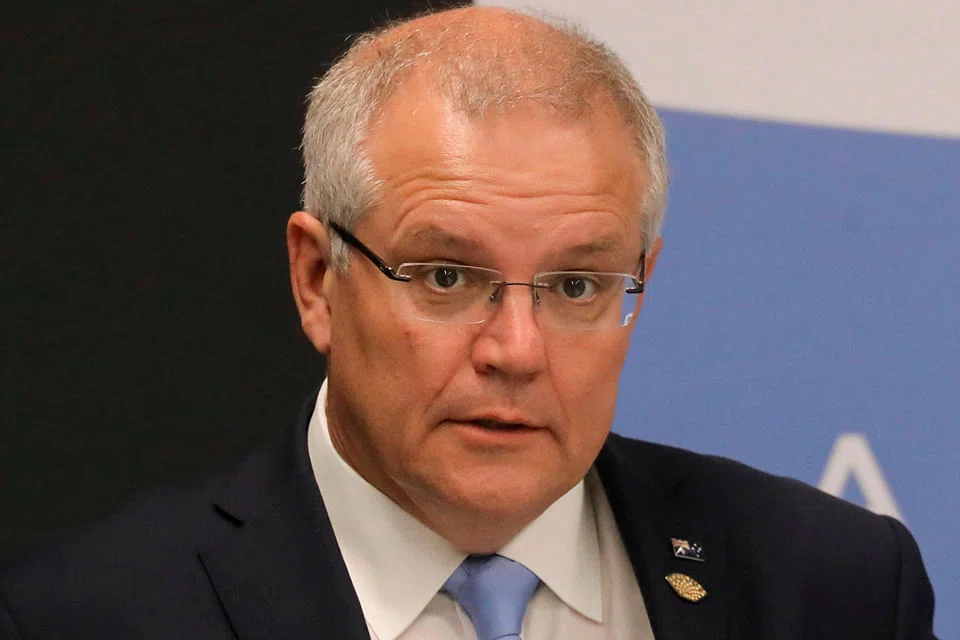
Australia Incumbent: Prime Minister Scott Morrison
A federal election is expected in May (most pundits say it will take place on either the 11th or 18th of that month), with Prime Minister Scott Morrison and his coalition not doing so well in the polls and staring at the prospect of a heavy defeat to the centre-left Labor party.
If Labor does prevail, then its leader Bill Shorten would become the prime minister after just five years in opposition.
Mr Morrison will likely present a favourable report card to Australians in the build-up to the polls. The economy is growing at its fastest annual rate since 2012, and the country's unemployment is at a more than six-year low.
In a report last month, Deloitte Access Economics said that government revenues would increase by an extra A$9.2 billion (S$8.9 billion) this fiscal year. That could pave the way for Mr Morrison to unveil a slew of pre-election goodies when his government presents its budget in early-2019.
Australia's Treasurer and Deputy Prime Minister Josh Frydenberg said recently that the government supports "lower taxes" and said there were "important" tax decisions coming up.
Australia's economy has grown at a steady pace for many decades, but of late it has begun to slow due to domestic pressures and the ongoing trade dispute between the US and China.