

Global FDI flat in 2019, but surged 42% in Singapore: UN report
Singapore
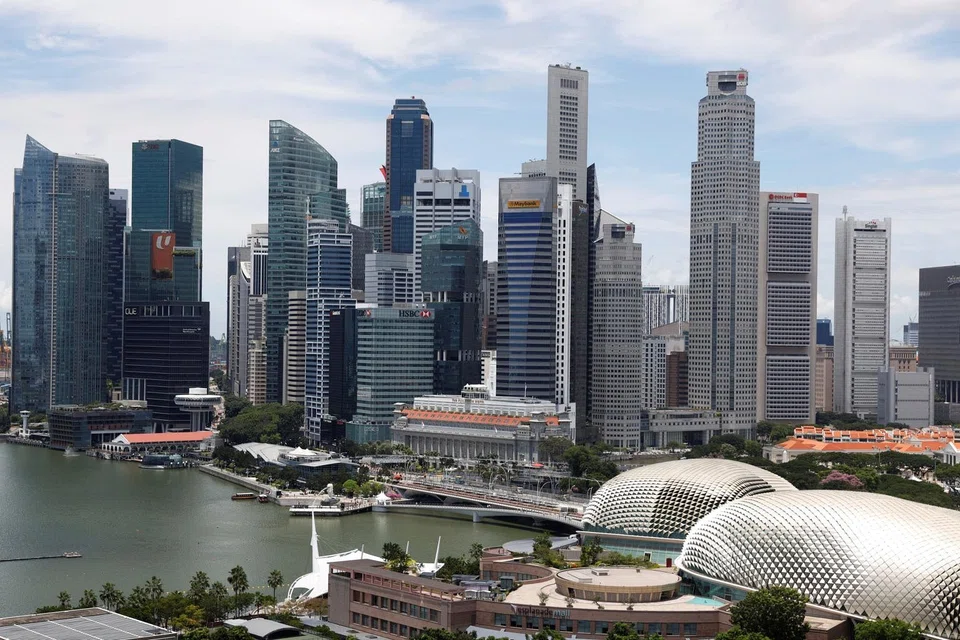
FOREIGN direct investment (FDI) flows into Singapore surged 42 per cent while the flows to its traditional rival Hong Kong were halved in 2019, when global FDI was flat against a backdrop of a weak global economy and trade tensions
FDI drawn to South-east Asia's economic growth and, according to observers, diverted to the region by the US-China trade conflict and Hong Kong's anti-government riots, have helped to increase flows into Singapore from US$78 billion in 2018 to cross the US$100-billion mark for the first time last year.
The latest United Nations Conference on Trade and Development's Investment Trends Monitor reported that US$110 billion in FDI was pumped into Singapore in 2019, with much of the investments going into the information and communication sector.
Singapore's fast-growing neighbour, Indonesia, saw FDI inflows rise 12 per cent to US$24 billion, according to UNCTAD. A significant chunk of the FDI went into wholesale and retail trade (including the digital economy) and manufacturing.
FDI flows into South-east Asia as a whole jumped 19 per cent to US$177 billion last year.
The latest figures show that even though global flows remained flat at an estimated US$1.39 trillion last year, Singapore got the third biggest share of the FDI.
The US still got the biggest portion of it, despite a one per cent dip in FDI inflows, from US$254 billion in 2018 to US$251 billion in 2019. China, where FDI flows largely stayed put at US$140 billion, remained the second biggest recipient last year.
Hong Kong, the third biggest recipient in 2018, dropped to sixth in the top 10 league after its inflows fell 48 per cent to US$55 billion. Brexit also reduced the UK's FDI inflows, but only by US$4 billion. With inflows of US$61 billion, UK actually rose one position to fifth place in 2019.
Developing economies continued to absorb more than half of global FDI flows and half of the top 10 largest recipients of FDI fall into this category, according to UNCTAD.
FDI flows into developing countries remained unchanged at an estimated US$695 billion last year. Flows into Latin America and the Caribbean increased 16 per cent, and into Africa 3 per cent.
There was a 21 per cent drop in flows to East Asia, including Hong Kong, and South Korea where FDI inflows plunged 46 per cent to US$7.8 billion.
FDI flows to developed economies slipped 6 per cent to an estimated US$643 billion from their revised US$683 billion in 2018.
"FDI flows remained at a historically low level (in the developed economies), at half of their peak in 2007," UNCTAD said. "Equity investment flows exhibit sluggishness. Cross-border M&As targeting the region registered a sharp decrease in value (minus 40 per cent to US$411 billion)."
The falling value of announced greenfield projects (minus 12 per cent to US$329 billion) also points to weakness in planned capital spendings in the developed markets.
While global FDI flows were flat last year, UNCTAD said the impact of the 2017 US tax reform, which slashed US FDI outflows and global FDI flows in 2018, appeared to have diminished in 2019. It expects FDI flows to rise marginally in 2020 on the back of modest global economic growth.
Corporate profits are also tipped to stay high and signs of trade tensions easing have emerged, but UNCTAD warned that significant risks persist.
These include high debt accumulation among emerging and developing economies, geopolitical risks and concerns about a further shift towards protectionist policies.
"In addition, in 2019, greenfield project announcements - an indicator of future trends - have slowed down."
TRENDING NOW

Philippine power giant First Gen rebuffs foreign offers, plans up to US$2.6 billion in expansion

Once staunchly pro-China, Malaysian Chinese businesses are now distancing themselves from Beijing

Nearly half of Singapore workers put in at least six unpaid hours a week: survey
Vietnam’s data-centre investment rush faces reality check on power and site constraints

