Having occasional flare-ups might be the new normal to be faced
Over time, the measures taken by government, businesses and individuals will be seen as 'business as usual', not extraordinary

Singapore
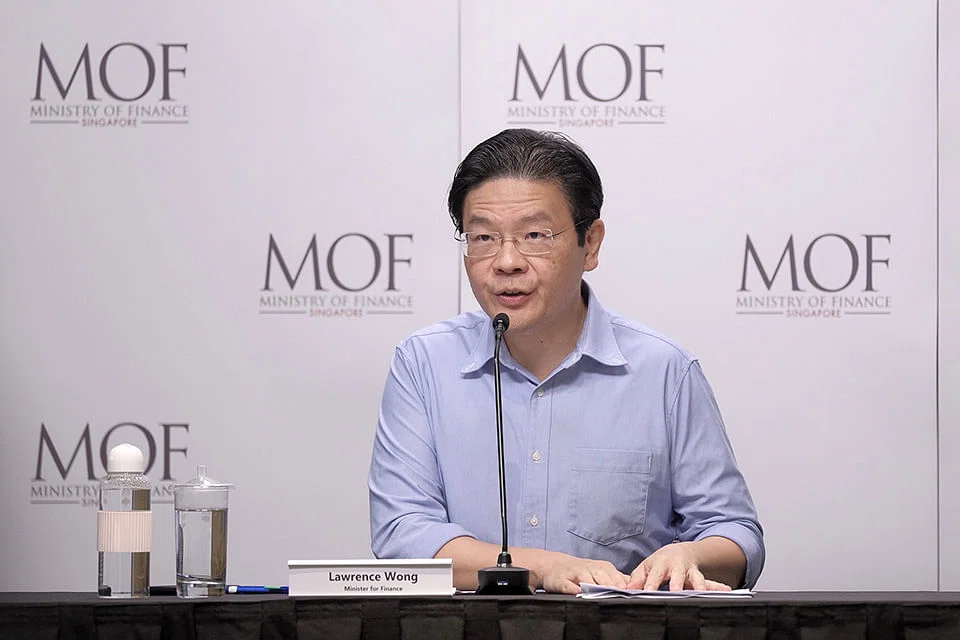
FRIDAY'S announcement of S$800 million in Covid-19 support - and the suggestion that the existing tightened measures seem to be working for now - might have brought some relief to onlookers.
But Finance Minister Lawrence Wong, who delivered the news, also warned that fluctuating circumstances and occasional outbreaks may well be the new normal.
In other words, it might be more realistic not to expect a linear path that culminates in defeating Covid-19 once and for all, but instead to prepare for a future of living with the virus.
If firms accept and adapt to this long-haul possibility - as some have already been doing, he said - then Singapore may be in a better position not only to survive, but flourish in greater resilience.
Mr Wong, who chairs the multi-ministry taskforce on Covid-19, said that Singapore "must expect to run into situations like these from time to time" - that is, an occasional outbreak of cases, necessitating the temporary tightening of curbs.
For its part, the government must prepare to provide ad hoc support without dipping into past reserves.
This S$800 million package, for instance, will be funded via the reallocation of development expenditure.
If Singapore sees outbreaks of similar scale in the future, the government should be able to find ways to re-prioritise spending for support packages of comparable size, he said.
Firms themselves have been "adapting and adjusting and trying to incorporate these sorts of contingencies into their business continuity plans", he added.
When the latest curbs were announced, many food and beverage establishments were able to swiftly shift their mode of operation. Cocktail bars, for example, revived delivery and takeaway options first adopted during last year's circuit-breaker.
The curbs have still taken a considerable toll on such businesses, which should not be understated. Still, the agility they are showing might well be required in the months and even years ahead.
Even while providing reassurance that Phase 2 (Heightened Alert) measures seem to be working in the immediate term, Mr Wong laid the groundwork for a longer-term mindset shift.
"We just have to understand that no matter how hard we try, no matter what we do, the occasional outbreak can happen, and it has happened in countries everywhere around the world," he said, citing China and Australia as examples.
"And when these situations arise, then we will have to deal with them to the best of our abilities."
This position is, arguably, not a defeatist one. On the contrary, it recognises the realities of a Covid-19 world, and meets them head-on.
Instead of opting for the questionable and fragile hope of eradicating the virus, Singapore can aim for a clear-eyed acceptance of the need to co-exist with it - and the security of being equipped with the knowledge, measures and capacity to do so.
Perhaps, over time, measures taken in response to flare-ups - whether by the public, firms, or the government - will be seen not as extraordinary events, but part of a redefined sense of "business as usual".
READ MORE: