

Income tax will apply to NFT transactions: Wong

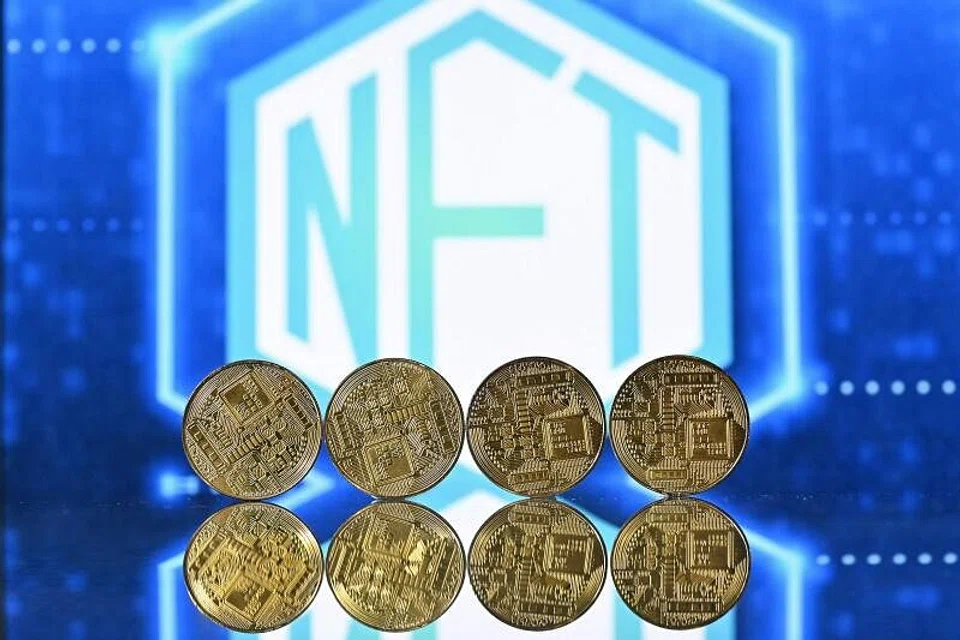
SINGAPORE'S prevailing income tax rules will apply to transactions of non-fungible tokens, or NFTs, said Finance Minister Lawrence Wong in Parliament on Friday (Mar 11).
In a parliamentary reply to Yio Chu Kang SMC Member of Parliament Yip Hon Weng, Wong said that the income tax treatment "will be determined based on the nature and use of the NFT".
For instance, it will apply to individuals who derive income from NFT transactions or from trading in NFTs, he said.
However, he also noted that individuals may also derive capital gains from NFT transactions.
"As Singapore does not have a capital gains tax regime, such gains will not be taxable," said Wong.
In response to queries from The Business Times, a Ministry of Finance spokesperson said: "It is not the case that all gains from sale of asset including NFTs are automatically considered as capital gains."
For instance, if an individual "is in a trade of buying and selling NFTs" - especially if they are making a living from it - then the gains from this will generally be subject to income tax, added the spokesperson.
In determining whether someone is trading in NFTs or deriving income from NFT transactions, the Inland Revenue Authority of Singapore (Iras) considers a set of factors: nature of the asset; intention of purchase; holding period; frequency and volume of similar transactions; financial arrangement and means to hold the purchased asset for long term; and reasons for the disposal.
The same set of factors is applied to all assets when Iras is determining whether an income is subjected to tax.
Taxes have already been applied to NFT transactions, or to virtual currency, in countries such as Australia and the US.
The Australian Taxation Office guided for NFT taxation to follow the same general principles as that of cryptocurrency. Similar to Singapore, income tax applies to revenue from the trading of NFTs and when NFTs are used as part of a business of profit-making scheme.
In Australia, NFTs may also be subject to capital gains tax upon disposal.
Meanwhile, in the US, virtual currency is treated as property for federal income tax purposes and capital gains or losses must be recognised upon the sale of virtual currency for real currency.
READ MORE:
- Instead of buying NFTs, Metakovan now commissions them
- Budget 2022: Higher personal income taxes can be double-edged sword
- Budget 2022: Higher taxes for top earners with chargeable income above S$500,000
TRENDING NOW

ComfortDelGro appoints two new independent directors

Once staunchly pro-China, Malaysian Chinese businesses are now distancing themselves from Beijing

NoonTalk needs continued financial support from CEO Dasmond Koh, auditors warn

DP Architects sets the benchmark for sustainability disclosure and design

