

Independent centrist party likely as Tory 'remainers' boost anti-Brexit ranks
London
THE United Kingdom is likely to soon have a growing centrist Independent Party which will fight for a Brexit extension and reasonable deal. Failing that, it could back the "People's Vote" for a second referendum.
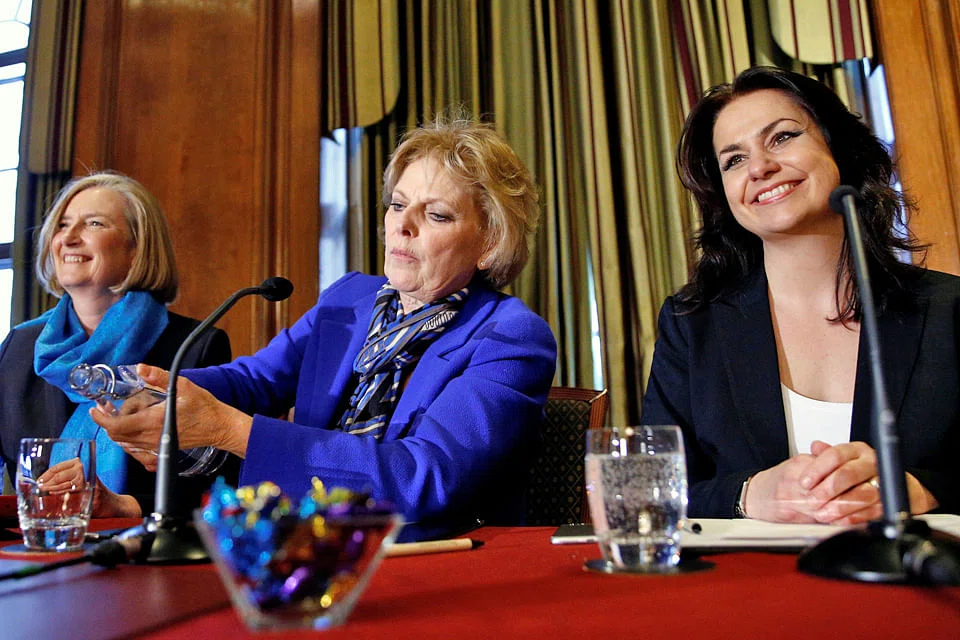
In a significant turn of events, three Conservative MPs have quit their party to join the Independent Group. Another MP has resigned from Labour and is now a member of the group which has eleven MPs in Parliament. The MPs are likely to be closely aligned and potentially merged with eleven members of the Liberal Party.
In response to the news, the pound climbed above 1.30 against the US dollar and was firm against the euro and Singapore dollar.The stock market hardly moved.
Assuming a new party is formed with a possible 22 members, it is very possible that it will grow rapidly. Brexit negotiations which have been dragged out for some two years, has caused considerable public disenchantment.
The uncertainty has caused a slide in UK economic growth to almost stagnation and has contributed to disinvestment decisions of both Honda and Nissan.
Other manufacturers and businesses have complained about the failure of Parliament to agree to a withdrawal agreement and are considering transferring factories and operations to other European countries. The Brexit vote of more than 17 million narrowly beat the 16 million voters who wish to remain in the European Union. Many of these "remain" voters, especially in London, would likely support the Independent group.
So far the independents have not put forward a manifesto, but the former Conservative MPs - Anna Soubry, Sarah Wollaston and Heidi Allen are strong "Remainers" alongside the other MPs who left Labour. They left the Conservative Party as they fear that the right wing Brexit group is gaining momentum. They fear that this group is driving the UK to the cliff's edge of no deal with dangerous economic consequences.
Prime Minister Theresa May and Attorney-General Geoffrey Cox are in the throes of renewed negotiations with the EU. They are trying to obtain a legal guarantee regarding the Irish border backstop insurance deal. The guarantee would aim at satisfying the right wing Brexitiers of the Conservative Party and Northern Ireland's Democratic Unionists.
Provided Ireland and the EU agree, the legal provision would state that any Backstop would not prevent the UK from leaving the EU's customs union for an indefinite period.
The Tory Brexit right-wingers have threatened that they would be happy with a no deal Brexit. But the expected increase in support for the Independent Group indicates strongly that Parliament will not accept no deal and seek a potential Brexit extension after March 29.
They could also press for a referendum, if Labour leader Jeremy Corbyn allows the Labour Party to vote for one. Several Tory MPs also want referendum, but Mrs May has refused on the grounds that the 2016 referendum result reflected the democratic will of the people.
A potential outcome following latest developments in Parliament is that the right wing Conservatives may vote for Mrs May's adjusted withdrawal deal. Several of these MPs have indicated that they fear the possibility that there won't be a Brexit if they don't vote for her agreement. Mrs May's withdrawal deal could thus come about, assuming the EU accepts Mr Cox's legislation proposals.
TRENDING NOW

Fed hike throws Singapore banks a margin lifeline; UOB likely to benefit more

He built the Vingroup empire. Now South-east Asia’s richest man is handing some key roles to his sons
Chagee, Mixue and Luckin won the market. Sustaining their edge is the harder part

Canada is upping oil flows to Asia, but South-east Asia’s refineries aren’t ready to handle them yet

