

Indonesia says repatriated cash under amnesty may have to be invested in bonds
 Add BT as a preferred source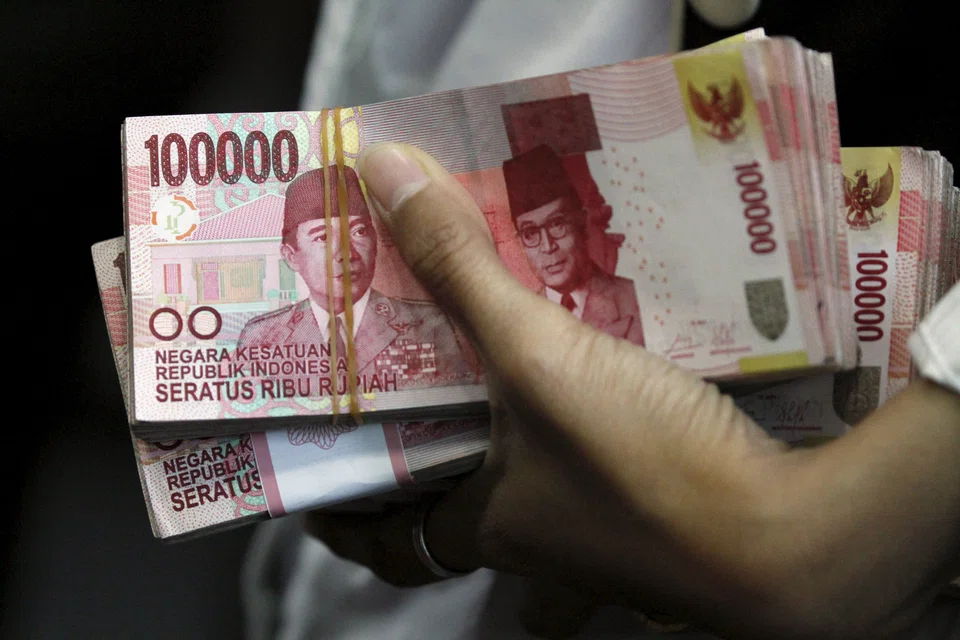
DeeperDive is a beta AI feature. Refer to full articles for the facts.
[JAKARTA] Money repatriated to Indonesia as part of a tax amnesty plan may have to be invested in government bonds or those issued by state firms to get the biggest discounts, an official at the finance ministry said.
Private bankers are already excited about the prospect of money returning from abroad under the tax amnesty plan.
"The plan is for the returning funds to be placed in government bonds in order to get the biggest amnesty, under private placement scheme," the director of borrowing strategy at the finance ministry,Scenaider Siahaan, told reporters on Wednesday. "Another option is to require them to invest in state firms'bonds," he said, adding the bonds would be non-tradable, which means investors must hold them until they mature.
The government is open to additional options, Siahaan said, including allowing the money to be channeled to local banks if such an option emerges during discussion of the tax amnesty bill.
The government has submitted the bill to parliament, which will start debating it within weeks.
Siahaan said the government expects as much as 500 trillion rupiah (US$37 billion) of assets to be declared and repatriated under the programme. Because this estimate is bigger than the 2016 budget deficit, the government cannot absorb all the returning money with sovereign bond issuance alone, he added.
Navigate Asia in
a new global order
Get the insights delivered to your inbox.
The tax amnesty scheme will offer incentives to bring money back to Southeast Asia's largest economy, but repatriation is not a requirement. The incentive will also apply to taxpayers who declare onshore assets.
The rate offered under the programme ranges from 1-6 per cent, according to several government officials, compared to 5-30 per cent normal rate for income tax.
The Finance Ministry has previously said it aims to raise 60 trillion rupiah of tax revenue from the amnesty programme.
That barely covers the expected drop in state revenue due to plunging oil prices, which Finance Minister Bambang Brodjonegoro on Wednesday said could reach 90 trillion rupiah.
REUTERS
Share with us your feedback on BT's products and services
TRENDING NOW

Shelving S$5 billion office redevelopment plan proved ‘wise’ as geopolitical risks mount: OCBC chairman

Why where you park your joint venture matters: Lessons from a US$689 million shareholder dispute

China pips the US if Asean is forced to choose, but analysts warn against reading it like a sports result
Singaporeans can now buy record amount of yen per Singdollar

