

Indonesia's new president targets food self-sustainability
 Add BT as a preferred source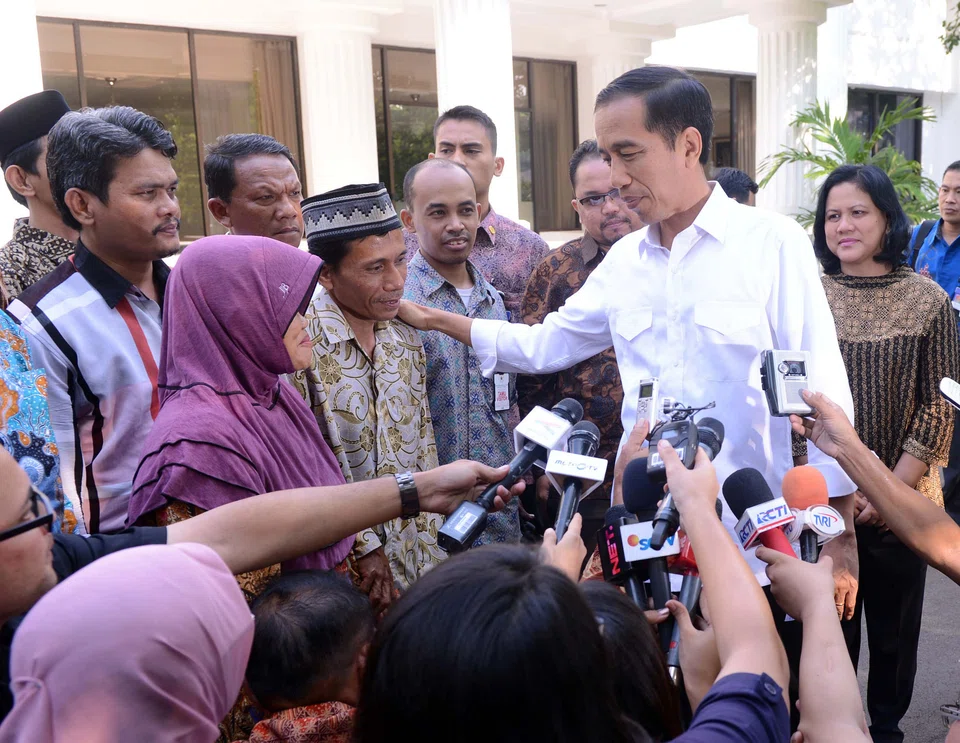
DeeperDive is a beta AI feature. Refer to full articles for the facts.
[JAKARTA] Indonesia's new president Joko Widodo said on Friday that he wanted the Southeast Asian nation to be self-sufficient in various food staples within five years.
With a rising population of more than 240 million, Indonesia's food imports fluctuate each year as eating habits change or to offset potential food inflation risks.
Indonesia will aim for self-sustainability in beef within one year, while targeting three years for rice, soybeans and corn, and four or five years for sugar, Jokowi said at a business conference. He did not give details on how that would be achieved.
Jokowi, who took office on Oct 20, had previously said he wanted the country to be self-sufficient in sugar, rice and corn within four years.
Jokowi's predecessor, Susilo Bambang Yudhoyono, introduced numerous self-sufficiency targets in 2009 after food prices soared.
But most have not been met, partly due to a lack of coordination by government ministries, red tape and corruption scandals over import quotas that caused shortages for food such as beef.
Navigate Asia in
a new global order
Get the insights delivered to your inbox.
To help the agriculture sector, which accounts for about 15 per cent of GDP in Southeast Asia's largest economy, Jokowi said that the construction of 11 new reservoirs would begin next year, with the aim of building 25-30 within five years.
REUTERS
Share with us your feedback on BT's products and services
TRENDING NOW

Air India asks Tata, Singapore Airlines for funds after US$2.4 billion loss

‘Boring’ is the new black: The stars are aligning for a Singapore stock market revival

From 1MDB to ‘corporate mafia’: Is Malaysia facing a new governance test?
South-east Asian markets account for 8.8% of global capital inflows from 2021 to 2024: report

