

JTC, NTU to start advanced manufacturing training programme for undergrads
Claudia Tan HS
Singapore
SINGAPORE plans to maintain manufacturing at 20 per cent of its gross domestic product (GDP) but the changing nature of the industry requires a more skilled and talented workforce.
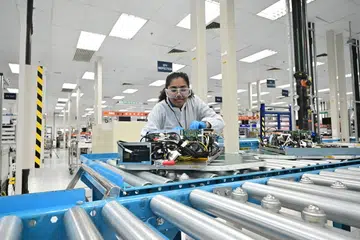
To meet this demand, JTC has teamed up with Nanyang Technological University (NTU) and manufacturing companies to launch an advanced manufacturing talent training programme for undergraduates.
"Investments in technology and infrastructure must go hand in hand with investments in our workers, so that they are equipped with the right skills to support companies in their growth and transformation," said Senior Minister of State for Trade and Industry Chee Hong Tat in his speech at the launch of the NTU-JTC Industry Talent Development Programme on Wednesday.
The programme is a collaboration with eight industry partners to equip students with advanced manufacturing skills and competencies through industry internships and projects. The participating companies are: the Agency for Science, Technology and Research (A*Star), Bosch Rexroth, ISDN Software, Konica Minolta, Delta Electronics, PBA Group, Shimano (Singapore) and Sodick Singapore.
The digitalisation of the manufacturing industry has increased the demand for higher skilled manpower to manage such technologies, said Ng Lang, chief executive officer of JTC.
In advanced manufacturing, companies make use of innovative technologies like data analytics and artificial intelligence to be more efficient through ways like allowing them to receive more information about production quality and quantity, and anticipating when machines need to be repaired.
As advanced manufacturing requires the deployment of higher technology, working with NTU allows students to be exposed at an earlier stage for talent development, said Hazel Khoo, deputy executive director of the Science and Engineering Research Council (SERC) at A*Star.
Other than single-semester internships, the programme will also tap on NTU's latest SkillsFuture Work-Study Degree Programmes (WSDPs) where students will complete three mandatory internships that span over 40 weeks during their four-year school term. Half of the industry partners also own facilities within the Jurong Innovation District (JID), which the NTU campus is part of, making it accessible to the students.
The JID was developed to provide companies with convenient access to talent, research facilities and international supply chains and is key to help Singapore become a hub for advanced manufacturing, said Mr Chee.
Over 200 students are expected to benefit from the programme in the first two years and NTU said that integrating learning and working would be beneficial for the students and their prospective employers.
"It is a win-win formula - our students get to learn the ropes from our partner companies' wealth of experience, and at the same time, the advanced manufacturing sector continues to see a steady stream of skilled talent to meet the rising demand," said NTU provost and vice-president Ling San in a statement.
TRENDING NOW

Grab CEO’s wife Chloe Tong on life with Anthony Tan and finding her purpose
As Malaysia’s chip goals morph into a multi-state model, are they outgrowing Penang?

Singapore-based Ryde accused of pump-and-dump fraud in class action lawsuit

Green fuels, autonomous ships: How Singapore is future-proofing its shipping industry

