

Lawrence Wong downbeat about the return of air travel anytime soon

Singapore
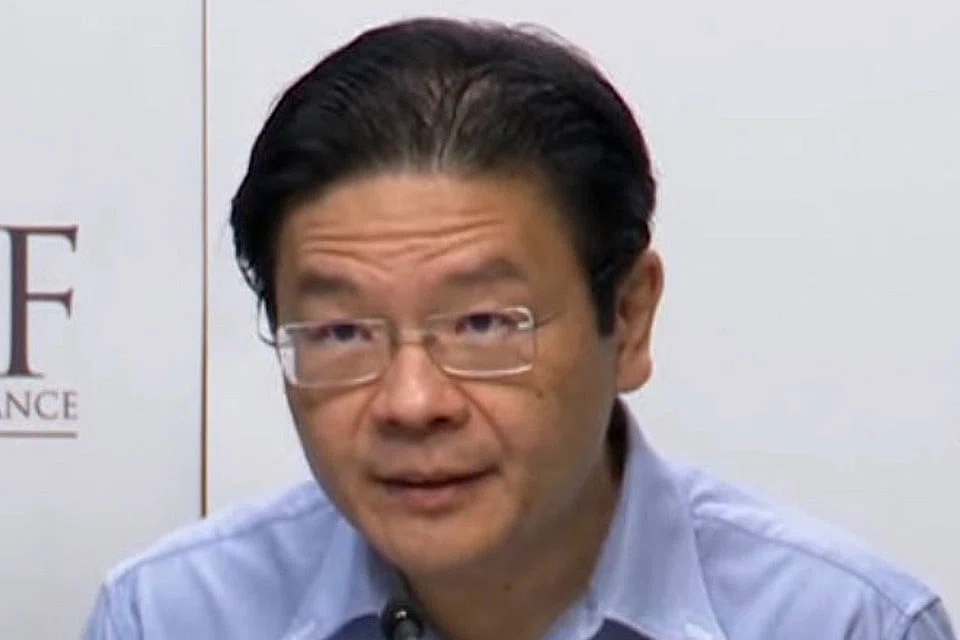
WHILE supply chains and trade have shown resilience during the Covid-19 pandemic, the outlook is gloomier for air travel, said Finance Minister Lawrence Wong at CNBC's Evolve Global Summit on Wednesday.
The minister, who co-chairs the multi-ministry taskforce on Covid-19, said he was "somewhat less sanguine about the prospects for air travel" compared to trade.
The region is still facing waves of infection, and vaccination rates in many countries are not high enough, he said, "so I don't think we will be able to see open and free travel in the region, in particular, anytime soon".
There might perhaps be some travel arrangements among countries with low and stable infections, and perhaps shorter quarantine times for vaccinated travellers, he added. "But for the most part, all of that is not going to add up to what we used to have pre-Covid. So air travel, I'm afraid, will take some time to recover."
In a wide-ranging interview, Mr Wong addressed topics such as further reopening, taxation and cryptocurrency.
Asked how the situation looks ahead of the planned loosening of some Covid-19 curbs on June 21, he was circumspect, saying: "Well, it's something we continue to monitor every day. With this virus, you can never tell what happens in the next few days, because there will always be surprises."
Singapore will have more confidence to ease up further when half the population is fully vaccinated by August, as planned, he added.
On the plans by the Group of Seven (G-7) for a global minimum corporate tax rate, he noted the fiscal pressures that have led to calls for greater international cooperation on synchronising taxation systems.
But the new rules cannot be set by the G-7 countries alone, he said. "It really needs a multilateral consensus among all countries big and small, and to ensure a level playing field across all jurisdictions.
"So when these new rules are in place, Singapore will certainly adjust its tax systems accordingly, to be in line with the global consensus, and also in consultation with businesses here."
Countries must be careful that a new threshold - such as the G-7's suggested 15 per cent rate - does not become a maximum rate that restricts countries from generating more revenue, he added. "Also, we have to be careful that any new rules that are in place do not inadvertently lead to reduced incentives for businesses to invest and innovate."
The interview also touched on emerging areas. Asked if cryptocurrency has a role in Singapore's future, Mr Wong replied that many central banks are studying the use of central bank digital currencies (CBDCs).
Singapore is looking at digital currencies to settle payments within the banking system. But that is at the wholesale level, to make cross-border payments faster and cheaper while remaining secure, he added.
Singapore is "not in a hurry" to consider CBDCs, which the public can use as fiat currency, as it has an established digital payment ecosystem that does not need such retail CBDCs.
The authorities are also carefully studying the potential downsides, including the possible impact on monetary and financial stability, he added.
TRENDING NOW
Malaysian king buys stake in Singapore-listed mining firm expanding into rare earths

Grab CEO’s wife Chloe Tong on life with Anthony Tan and finding her purpose

Once staunchly pro-China, Malaysian Chinese businesses are now distancing themselves from Beijing
Longer wait times expected as S’pore healthcare institutions report system disruptions

