

Layoffs may loom as Singapore factory outlook falls to 2009 levels
The PMI dropped to 45.4 in March - down by 3.3 points from the month before, the lowest reading since February 2009

Singapore
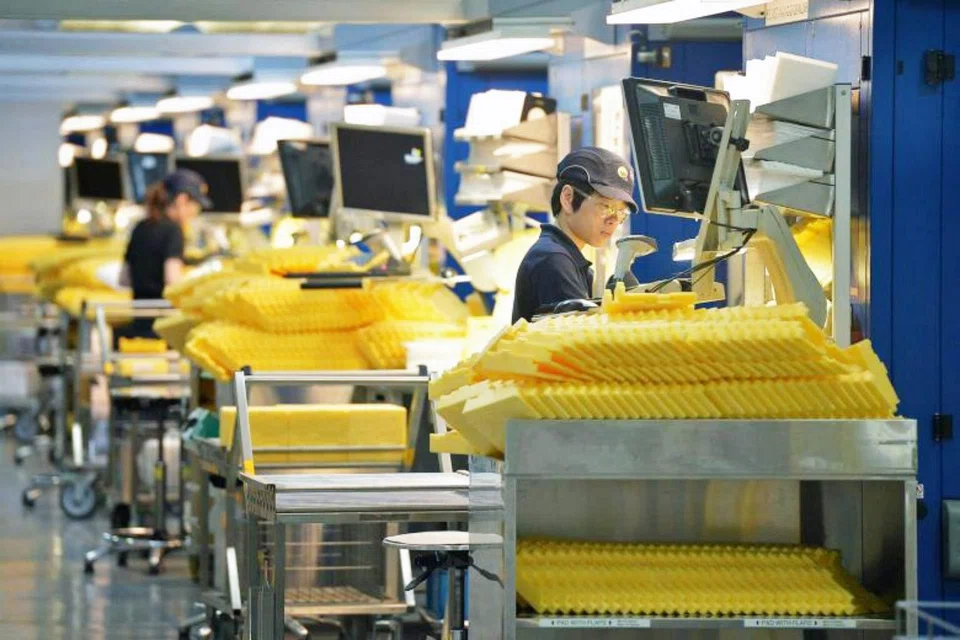
SINGAPORE'S factory activity has fallen to levels last seen during the Great Recession, according to early industry figures out on Friday.
As the deadly Covid-19 pandemic continues to ravage the globe, jobs could be next on the chopping block, economic watchers also warned.
The Purchasing Managers' Index (PMI), a sentiment gauge for the manufacturing sector, dropped to 45.4 in March - down by 3.3 points from the month before - to touch its lowest reading since February 2009.
Meanwhile, the electronics industry's PMI plumbed a similar depth with a reading of 44.1, lower by 3.5 points, on the back of steeply lower output, new exports and new orders.
Readings below 50 indicate contraction on the previous month, and every sub-index measured stood in the red in March. But it was a slump in the employment sub-index readings that had watchers fretting the most.
Irvin Seah, a DBS senior economist who forecasts overall layoffs spiking to 24,500 this year, called the readings more data that "reinforces my view that we are seeing some emerging signs of retrenchment".
The overall employment sub-index for manufacturing fell from 49.0 to 45.8, while the reading for electronics dropped from 47.2 to 43.8.
"We may start to see manufacturing job losses pick up as well if the overall economic conditions remain dire and manufacturers ramp up cost-cutting measures," added OCBC Bank chief economist Selena Ling.
Indeed, the Singapore Institute of Purchasing and Materials Management, which compiles the PMI data, has flagged the toll that the pandemic is taking on factory bottom lines here.
Companies in the manufacturing sector now "struggle to contain financial losses from sharp revenue reductions", according to Sophia Poh, the institute's vice-president of industry engagement and development.
The shock to manufacturing came on the back of falling demand in end-markets, with both overall and electronics PMIs showing faster contractions in new orders and new exports.
With PMIs also negative in South Korea and much of emerging market (EM) Asia, such as Indonesia, Malaysia, the Philippines and Thailand, Barclays economists guided on Thursday for regional manufacturing to stay subdued until at least June.
"The bigger worry to us now is whether the global fallout will start to dampen China's expected recovery in Q2, at the same time that orders to EM Asia from the major economies in Europe and the US may start to be cancelled or scaled back," they wrote.
Now, OCBC's Ms Ling fingered the "global demand contraction and likely recession prospects" for the fresh "precipitous decline" in Singapore data, as the pandemic has disrupted not only supply chains, but order books too.
With the virus that causes Covid-19 digging in its heels in the major export markets of Europe and the United States, "domestic PMIs may continue to plumb south near term", she said.
Noting that the Singapore economy is trade-reliant, UOB economist Barnabas Gan also called the latest PMI showing disconcerting. He added: "Even as sustained falls in PMI readings were expected, the rate of decline probably surpassed market expectations."
He maintained that industrial production - already buffeted by last year's trade war between the United States and China - will keep shrinking in the second quarter, for a full-year contraction of 3.8 per cent or worse.
The Monetary Authority of Singapore had warned earlier this week that "growth in the trade-related industries will be weighed down by the decline in external demand and supply chain disruptions", with official forecasters projecting a recession of between one per cent and 4 per cent this year.
TRENDING NOW

Vietnam’s northern provinces, not Hanoi or Ho Chi Minh City, are powering near 10% GDP growth

VietJet hit with global asset freeze in FitzWalter dispute
Gridlock or growth? The Asean Power Grid faces a critical window of opportunity

LNG, stronger regional power links key to Asean’s energy resilience: Shell

