

Manufacturers' group says delayed return of China workers affect 1-in-10 staff

Annabeth Leow
Singapore
SINGAPORE manufacturers have been hit harder than other industries by the sudden shortfall of mainland Chinese rank-and-file workers here, The Business Times (BT) has learnt.
With the continued spread of the coronavirus globally that began life in Wuhan, Singapore last week rolled out travel curbs like a freeze on new work permits from mainland China, and a 14-day leave of absence (LOA) for workers returning from there.
Manpower Minister Josephine Teo then disclosed that some 30,000 Chinese work pass holders have been outside the country since Chinese New Year - or 0.8 per cent of the workforce, based on end-2019 figures.
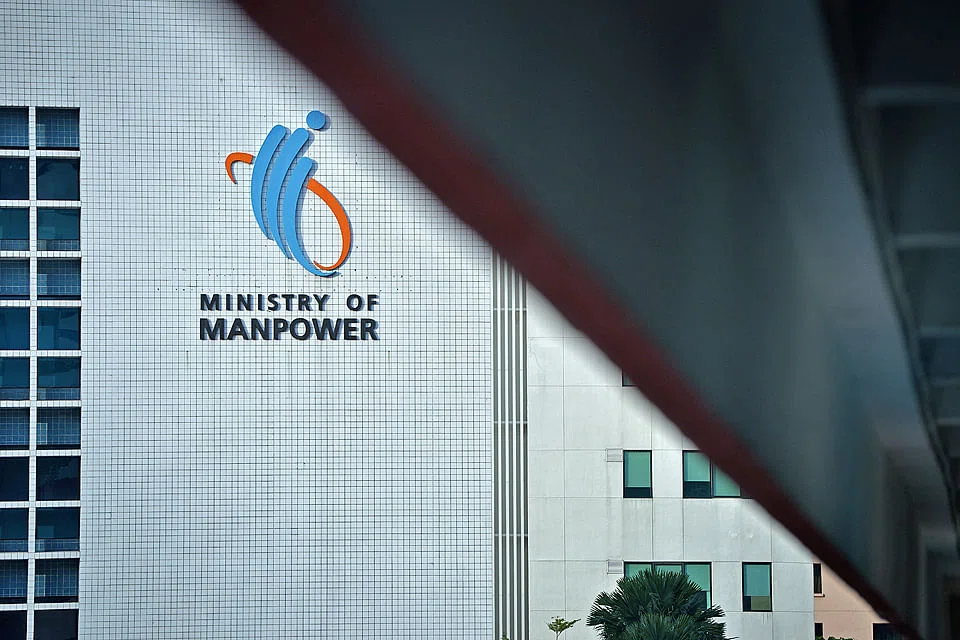
Of this group, "the impact on manufacturing is higher than for construction or services sectors", a Ministry of Manpower (MOM) spokesman told BT.
Singapore Manufacturing Federation president Douglas Foo told the press that the delayed return of these workers is affecting about one-tenth of companies' headcount, according to members' feedback.
Still, the MOM has learnt from businesses and trade groups that "the impact at the company level is typically a few workers, which is still manageable", the ministry spokesman added.
Indeed, even with precision engineering companies hiring an estimated 15 to 25 per cent of their workers from mainland China, the impact on each business is spread out, Steven Koh, executive director of the Singapore Precision Engineering and Technology Association (Speta) told BT.
He cited an unnamed Speta member firm that he said has seven workers on LOA, out of 580 employees.
Mr Foo said some smaller companies that house workers in independent dormitories are concerned about potential space constraints cropping up, but "they felt assured that the government agencies are aware of the situation and are taking appropriate actions".
While Mr Koh said the industry will definitely face a manpower crunch from the ongoing precautions, he suggested that Singaporean or Malaysian temporary staff can plug the gap in the short term.
Otherwise, he advocated adopting more automation and productivity measures, which could yield higher-skilled jobs for locals, in the long run.
That's even as Walter Theseira, a labour economist at Singapore University of Social Sciences, suggested that the Republic's cachet with Chinese labour may have faded in recent years.
Citing rising wages there, he said: "A migrant worker also has the option of going to a high-income Chinese city, rather than to Singapore...
"They've been growing so rapidly that there is no reason to think we are as attractive now as we used to be."
Said the MOM spokesman: "We strongly recommend businesses plan ahead for their manpower needs, such as renewing their employees' work passes or seeking alternative sources. MOM will work closely with employers to facilitate this process."
READ MORE:
TRENDING NOW

KKR founders among investors buying 42% of Peter Lim’s Valencia; club valued at US$1.4 billion

Singapore’s central gas buyer affirms Indonesia’s role as ‘important partner’ amid export review warning

Why the biggest business decision about AI isn’t which model to choose

NEA issues notices to 10 Singapore-based companies, including Wilmar and APP, over haze

