

MAS nudges financial firms on local high-tech skills transfers
It urges employers to look at hiring mid-career Singaporean professionals looking to switch industries too
Singapore
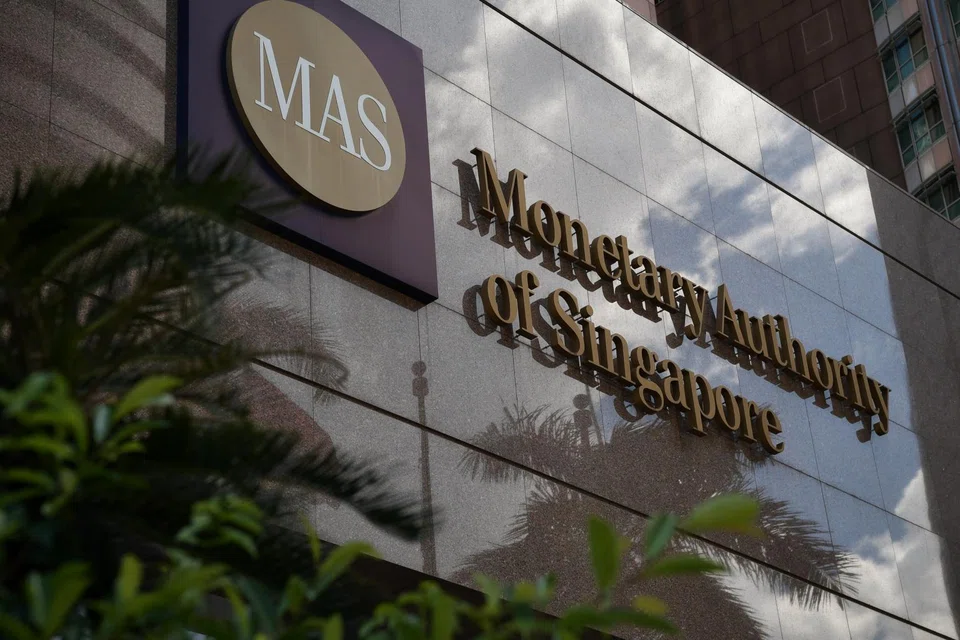
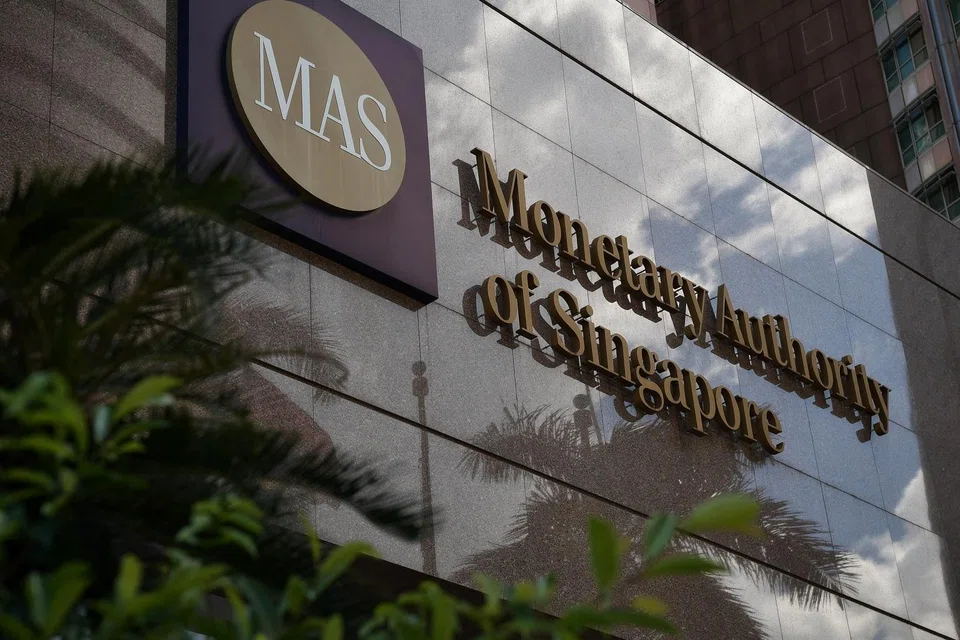
THE Monetary Authority of Singapore (MAS) is drilling down to the local mix in technology units of financial institutions in Singapore to ensure skills transfer for high-end tech jobs, and has had "bespoke conversations" with financial institutions on their localisation plans at tech units.
The heightened effort also reflects that while technology is commonly blamed for reducing jobs, it has in fact created jobs in the financial sector here. The issue now is the lack of supply here.
Speaking to The Business Times in a wide-ranging interview ahead of the SFFxSwitch event, MAS managing director Ravi Menon said it takes time to build a pipeline for locals to take high-end tech roles here.
But while "top-notch foreign tech talents" are attracted, they work in units that should over time have a localisation strategy, by ensuring capability transfer. When it comes to addressing financial institutions that receive R&D-related grants from MAS, the regulator has "leverage" to set some conditions to have the percentage of local talents hit a certain level over three to five years.
"That's all something that we discussed bilaterally with the financial institutions. In more general cases, where we're not giving a grant, and they're bringing in these workers, then we go through the profile of the workforce in those business units and say . . . 'Tell us your plans for localisation.' It's not for us to impose," said Mr Menon.
"Put the question that way, many of them do step up because they also see the value of localisation. When they set their own pace, there is better buy-in, and there's better comfort."
But MAS will continue to be open to foreign talent, as new areas of demands evolve. "We'll be selling ourselves short if we don't take the best talents the world has to offer in many of these technology areas. The question we should ask ourselves is how can we train more Singaporeans over time to take on some of these jobs."
The Covid-19 crisis has spurred more demand for digitalisation services. For the first 10 months of the year, the Singapore fintech sector surprised by attracting S$1.2 billion of investments, up 30 per cent from a year ago, Mr Menon noted.
Meanwhile, a pilot employment outlook survey by MAS showed that financial institutions here plan to offer 1,800 newly created jobs till July 2021, with tech-related jobs making up about half of these new jobs.
"We read about how technology is threatening jobs, but the evidence is to the contrary," he said, adding that in the last five years, where the financial sector created some 3,600 net jobs - beating the 3,000 target - a good part of those jobs were in technology . "We are in a very fortunate situation. We are not in the situation of other countries where there's a shortage of jobs."
Some of the lower-end tech jobs can be taken up by Singaporeans. And while they may not pay relatively as well at the start, if Singaporeans can "reset their expectations", that gives them a chance to learn on the job and rise to take on the intermediate and advanced tech jobs, said Mr Menon.
Employers should also look to hire mid-career Singaporean professionals looking to switch industries. More financial institutions are also coming around to their mindset shift.
"I can fully understand we like to employ people who can hit the road running, who are fully skilled and trained and experienced for the roles. Now if every one of us does that, that's going to leave many of these mid-careers in the lurch," said Mr Menon. "They're senior, intelligent, hardworking. They just don't have certain specific digital skills or technological skills . . . It may take a bit longer to get them up to speed, but I think the long-term pay-off is much better."
TRENDING NOW

Grab CEO’s wife Chloe Tong on life with Anthony Tan and finding her purpose
Brokers maintain ‘buy’ on CDL despite investor reservations over strategic review

Deal between tycoon friends sparks scrutiny of Philippine power sector

Hwa Seng Builder, two China companies win S$1.2 billion Tuas Road Viaduct phase two contracts

