More wage and rent support needed as most retailers stay closed, F&B firms still restricted
Singapore
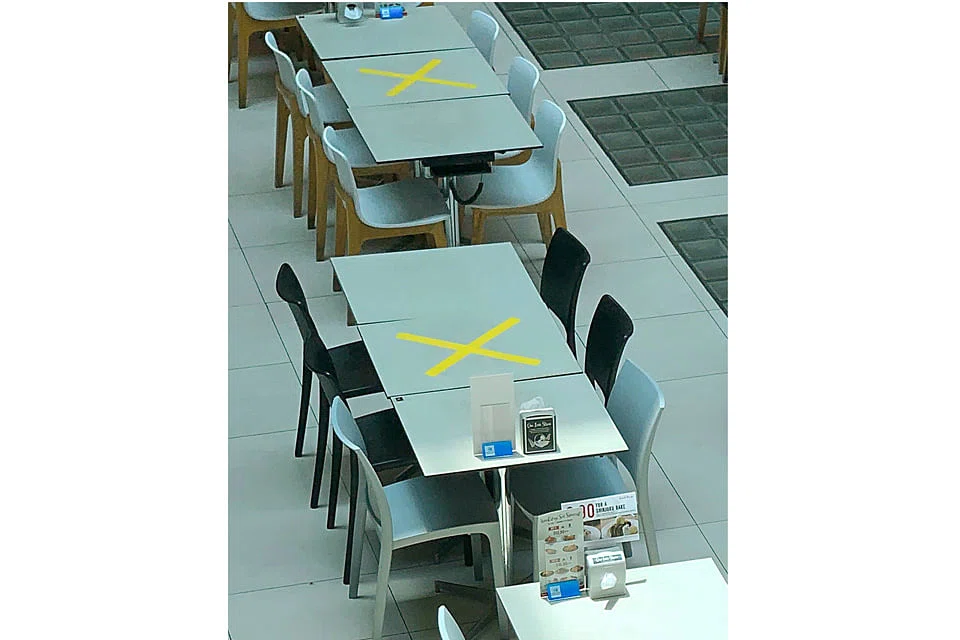
THE retail and food and beverage (F&B) sectors will need more wage support to stay afloat as the former group remains closed and the latter still restricted to takeaways in the first phase of Singapore's reopening, trade associations and industry watchers said.
The multi-ministry taskforce on Covid-19 said on Tuesday that certain industries including manufacturing and professional services would be allowed to reopen on June 2. However, most retailers will have to stay closed, and dining-in will remain prohibited at F&B establishments - for at least a few more weeks, as the Covid-19 situation stabilises.
For these businesses that cannot reopen yet, the government will announce details of further support on May 26, in what will be Singapore's fourth Budget this year.
The Restaurant Association of Singapore (RAS) said F&B players' survival will largely depend on whether the current 75 per cent wage subsidy given to all firms is extended.
This will also be crucial for businesses that have stayed open or will be reopening. Singapore Manufacturing Federation president Douglas Foo told BT that members' key concerns include whether customers lost during the circuit breaker period can be brought back, and operational issues arising from safety requirements.
Surveys by the Singapore Business Federation (SBF) also found that current government measures have helped most businesses stay afloat and minimise retrenchments, but they still face supply chain disruptions and declines in demand.
"At the same time, when the circuit breaker is lifted, we should be prepared that businesses might be unable to resume operations fully and function at the pre-Covid-19 level," said SBF CEO Ho Meng Kit.
Most companies therefore hope for an extension of the Job Support Scheme, coupled with "increased support" and extensions of foreign worker levy rebates and rental waivers.
Others called for landlords to extend further rental rebates, as well as for more clarity on temporary legislation allowing rent payments to be deferred due to Covid-19.
SG Tenants United for Fairness (SGTUFF), a growing informal group of mall tenants, said businesses that received "good rental rebates" from landlords are making "small losses", but those without such relief will likely shut down, especially if government measures are insufficient.
It suggested the government mandate landlords to charge 15 per cent of tenants' gross turnover as rent or give a 50 per cent rental rebate, whichever provides more relief, post-circuit breaker. SRA called for similar measures, saying: "Retailers' time is better spent on developing and implementing effective business strategies to cope with and overcome the negative impact of Covid-19, than on another round of rental appeals which may still be in vain."
SRA requested 100 per cent wage support for June or until stores can reopen, and for the support to be extended to foreign staff and retail companies with less than 30 per cent shareholding in Singapore.
RAS suggested that the government set guidelines on how landlords and tenants should work out the terms of repaying deferred rent, "to prevent a situation where many companies will fold" after the grace period ends.
Minister for Trade and Industry Chan Chun Sing said on Tuesday that businesses unable to reopen in this first phase should prepare to implement additional safeguards or change their business models entirely ahead of their eventual reopening.
SGTUFF said some firms are already making plans for business resumption, while RAS said it's too early to say what can be done, without details on the next phase.
OCBC economist Selena Ling noted: "Since some businesses may still be relatively cautious about the demand recovery, they may not be in a big rush to restart 100 per cent of their operations either, unless there is an existing backlog of orders."
- Additional reporting by Annabeth Leow