NWC unveils wage cut guidelines to sustain businesses, jobs amid Covid-19 outbreak
Singapore
IF WAGES have to be cut at all because company bottom lines have been hit by the virus outbreak, the National Wages Council (NWC) recommends that the cut be made in the Monthly Variable Component (MVC).
The MVC, which is part of workers' basic monthly wage, should only be that emergency lever employers use to lower their wage bill in sudden business downturns, in order to survive and to save jobs.
The size of the cut hinges on the company's situation and key performance indicators, or on guidelines agreed with the union or workers.
The nearly 90 per cent of firms with no MVC - mostly the small and medium-sized enterprises - may cut up to an equivalent 10 per cent of basic wages or more for management, said the NWC in this year's wage guidelines unveiled on Monday.
The tripartite council, which comprises representatives from the government, unions and employers, is making its annual recommendations earlier than usual this year because of the worsening impact of the coronavirus outbreak.
Its chairman Peter Seah, who is also chairman of DBS Bank, said the council plans to meet again later this year to review the guidelines and address other more permanent issues.
The guidelines, which cover the period from April 1 this year to June next year, also urge companies to consider measures to utilise and manage excess manpower.
These include focusing on training and upskilling, adopting flexible work schedules, and giving support to affected local workers who now earn less and need a second job to supplement their income.
NWC also calls on firms to lean on government support being offered - the recent two help packages totalling S$55 billion - to offset business and wage costs and press on with their transformation.
But it recognised that these lifelines may not be enough, and firms may still need to trim wage bills.
The council said that such hard-hit firms facing uncertain prospects "may exercise wage reduction, with management leading by example". It suggests that a graduated approach be taken, with deeper cuts for managers and higher-wage staff.
Companies such as Singapore Airlines, SATS, Certis, BreadTalk and Singapore Press Holdings have announced pay cuts for senior management; other companies have implemented pay freezes.
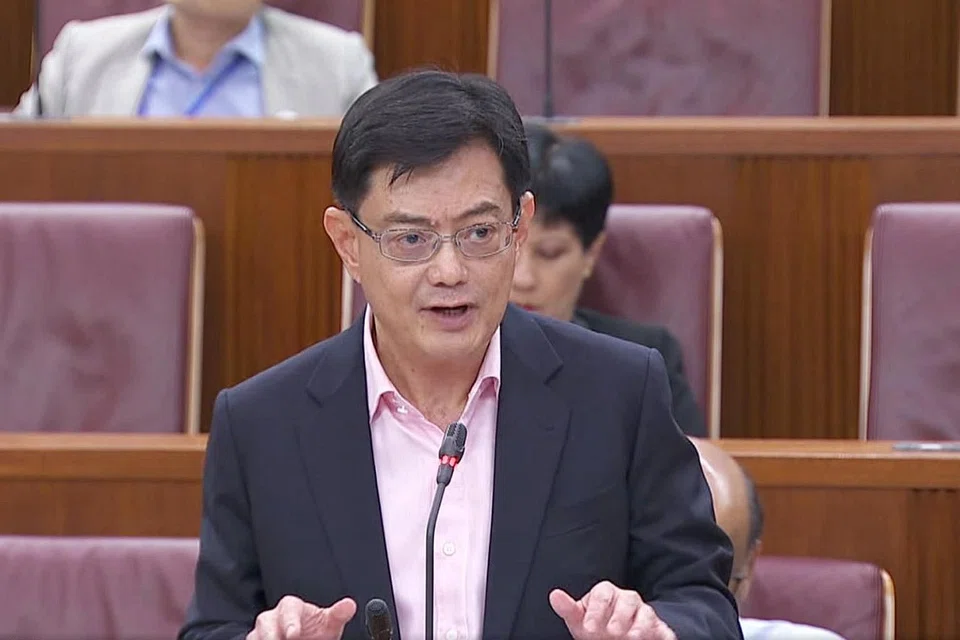
Deputy Prime Minister Heng Swee Keat said in his Supplementary Budget speech last week that the Prime Minister, Cabinet ministers and other political office holders, as well as the president, will take a three-month pay cut.
Still, when considering a pay cut, NWC said firms must be mindful that their workers may already be earning less (or even no) income from overtime work or commissions, or because they are on no-pay leave.
As far as possible, NWC said firms should make an effort to continue to pay the Annual Wage Supplement, or 13th month bonus, "to retain and inspire loyalty in their workforce and be well positioned for the recovery".
And they must set clear guidelines to restore MVC or basic wage cuts through future wage hikes or adjustments when business conditions improve.
NWC said that firms that have done or are doing well should continue to reward workers with variable payments in line with the firm's performance and workers' contributions.
"If their business prospects are uncertain, they may exercise moderation in built-in wage increases."
A differentiation is still made in the NWC guidelines for low-wage workers earning a monthly basic wage of up to S$1,400.
The NWC recommends that such workers get their pay frozen amid company-wide pay cuts. If a company plans to freeze pay increases, it should consider giving low-wage workers a built-in wage raise of up to S$50.
Last year's guidelines called on firms to raise the monthly salaries of low-wage workers by between S$50 and S$70. It also raised the salary threshold of these workers to S$1,400 monthly, up from S$1,300 in 2018.
In the latest guidelines, NWC further recommended giving low-wage workers who have stepped up to help the business during this challenging time an ex-gratia payment where possible.
NWC said retrenchments should be a last resort and done responsibly and in line with the guidelines of the Tripartite Advisory on Managing Excess Manpower, which were updated this month.
In accepting this year's NWC guidelines, the government said the council's swift and decisive response to Covid-19 reflects the strong foundation of tripartism. It urged employers and workers to build on the tripartite partnership to respond flexibly to the Covid-19 challenge.
Manpower Minister Josephine Teo said: "The new set of guidelines developed by the council considers the needs and difficulties of both business and workers, and provides guidance on how employers can sustain their businesses and save jobs."
Robert Yap, president of the Singapore National Employers Federation, said: "This set of NWC recommendations, together with the two support packages announced by the government, would help employers cut costs, save jobs and build up workforce capabilities for the economic rebound."
Mary Liew, president of the National Trades Union Congress, said "workers would have to be adaptable - go for training, be open to flexible work schedules, accept new job opportunities, and if necessary, accept wage reductions so that they can retain their jobs".