

Oil prices, China help Russia survive sanctions
State debt at only 12.6 per cent of gross domestic product is fairly impressive considering recent history
London
RUSSIA has managed to overcome sanctions because of higher oil and gas prices and China's trade and investment.
In the past year, the Bank of Russia also bolstered the economy by slashing interest rates from 10 per cent to 7.25 per cent.
According to the central bank, growth is currently 1.8 per cent, unemployment has fallen from over 9 per cent in 2014 to 5 per cent, and inflation is 2.2 per cent.
This performance can hardly be described as a boom. Yet economic stability, with state debt only 12.6 per cent of gross domestic product, is fairly impressive considering recent history.
Between 2014 and the beginning of 2016, the Russian economy was hammered by a triple whammy comprising an oil and gas price collapse, sanctions and a run on the rouble.
European and US sanctions targeted energy, defence and banking businesses and were implemented following the July 2014 downing of Malaysia Airlines flight MH17 in eastern Ukraine.
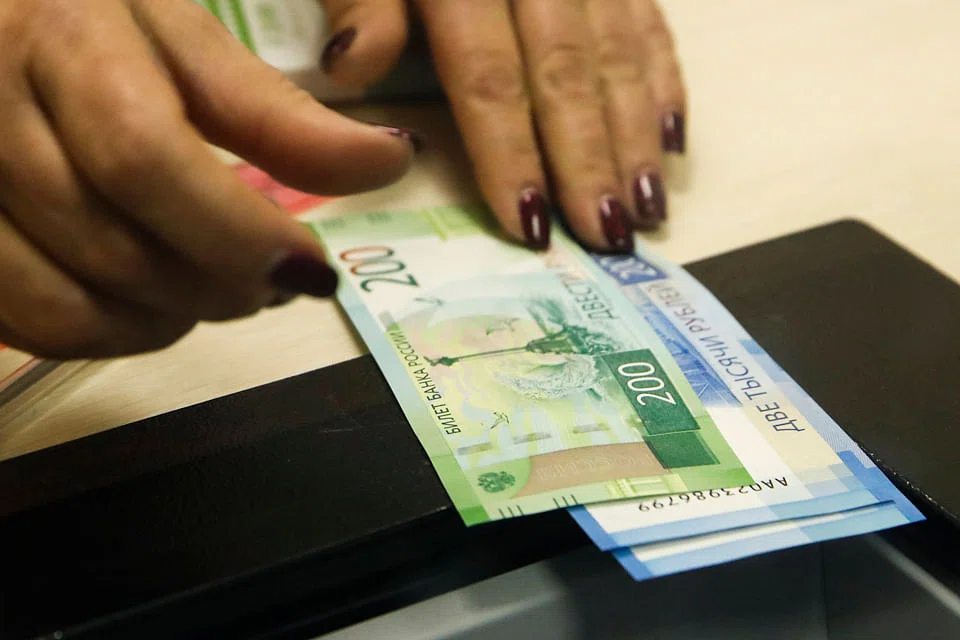
The result was a deep recession. Rouble depreciation which resulted in a surge of the US dollar from 32 roubles in 2013 to a peak of 86 roubles at the beginning of 2016, helped counter the slide in exports.
The devaluation boosted revenue of oil and gas products, platinum, palladium, diamonds, aluminium, copper, manganese, steel and other commodity exports.
On the other hand, an already struggling Russian populace had to pay punitive prices for food and other imports.
Moreover, it became exceedingly expensive for the state, Russian banks and corporations to repay US dollar, euro, yen, renminbi and other foreign currency borrowings. Interest payments converted back to roubles also soared. Billions fled the country and the outflow contributed to the rouble's slide.
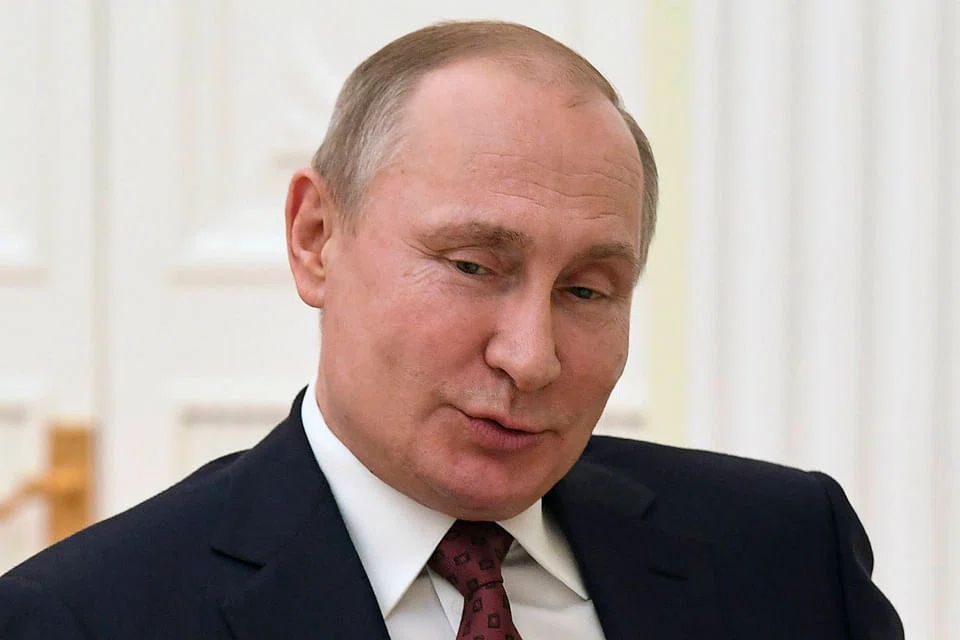
Fortunately for President Vladimir Putin's regime, oil, gas and other commodity prices revived in 2016. In the meantime, Russia increased sales of oil and gas to China. The latter invested heavily in Russia.
As a result, the Russian economy recovered from the deep recession in 2015 and the US dollar and other currencies declined against a stronger rouble. It is currently trading around 58 to the US dollar and 77 against the Singapore dollar.
Russia's central bank, which has been steadily building up the nation's gold holdings to 1,857 tonnes or 17 per cent of total reserves, has been easing credit.
"The expansion of economic activity continues," the bank said. "The economy will be supported by domestic demand, rising real wages and a steady growth of global economy."
Russia's trade surplus jumped by 44 per cent to US$17 billion in January as commodity exports exceeded imports. The bank also said that there may also be a budget surplus this year.
Following his re-election as president, Mr Putin promised faster economic growth, innovation, development of the digital economy and much needed improvement in health, education, science and infrastructure.
The nation, however, is still saddled with widespread corruption and the average lifespan of 65 is well below the West and Asian countries such as Singapore.
"Unless the West drops sanctions, or President Putin unexpectedly delivers a reform miracle, it looks as though Russia will register stagnation in coming years," said Roger Bootle, the chairman of Capital Economics.
Conditions in the Russian economy, however, are better now than they were a few years ago.
This stability is a problem for the UK, Europe and US leaders who wish to punish Russia for the alleged attack on former double agent Sergei Skripal and his daughter.
This week, more Russian diplomats were thrown out of European Union member nations and the US as governments have been concerned about cyber attack, election interference support of the Syrian regime and other underhand activities.
The question is what to do now? There have been unconfirmed rumours that British Prime Minister Theresa May wishes to ban purchases of Russian bonds.
In recent days, however, the Russian government sold US$4 billion of eurobonds. They were popular with fund managers as yields were close to 7 per cent.
The US Treasury Department warned that Russia's sovereign debt market is too important to sanction without risking global financial turmoil.
TRENDING NOW

Cracks emerge in AI borrowing boom as CoreWeave, Oracle and SoftBank debt worries grow

Could stablecoins be the future of money?

‘How many will survive?’: Bubble fears arise as China’s humanoid robotics face reality check

Philippine power giant First Gen rebuffs foreign offers, plans up to US$2.6 billion in expansion

