

Panel discusses the building of smarter, more sustainable cities
Singapore
CITIES need to build inter-agency partnerships and lose the silo mentality that gets in the way of their becoming smart cities, a group of panellists said at a forum on Tuesday.
Fatouma Toure Ibrahima, manager of infrastructure programmes and analytics at the World Bank's infrastructure practice group, stressed the importance of building more synergy between energy, water and transport - elements crucial for the sustainability of cities.
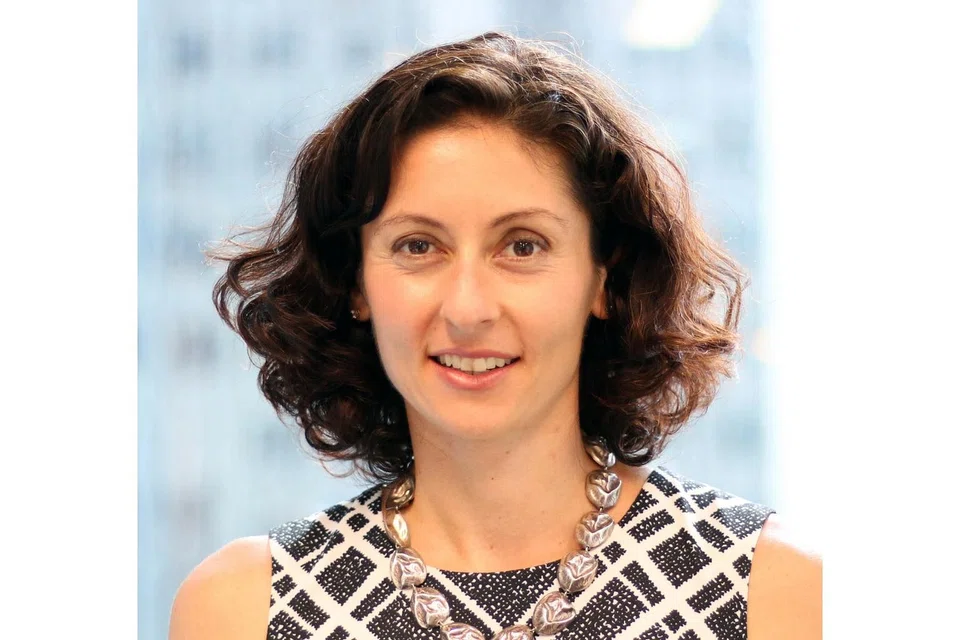
Echoing her views, managing director for the Asia-Pacific of non-profit organisation 100 Resilient Cities, Lauren Sorkin, said cities tend to lack an integrated approach to building resilience, defined as their capacity to weather disasters both natural and man-made.
She said cities tend to operate like silos, "working on transport problems with the transport ministry, water problems with the water ministry, and buildings with the building councils".
The two speakers were part of apanel which discussed regional opportunities in the built environment at the inaugural Regional Built Environment Forum.
The two-day event, which drew 200 attendees and ended on Tuesday, aimed to showcase the capabilities of Australia and Singapore in the built-environment arena and to look into how these two countries can support the process of urbanisation in Asean.
The sustainability of smart cities also came up for discussion at the forum. Adam Beck, executive director of Smart Cities Council Australia New Zealand, said the drive for sustainability and the global green building movement "have given the built-environment sector its clearest purpose".
Big data and analytics, which he likened to "a tap that never turns off", can give city planners a better grasp of the community's needs, and from this comes smart cities that are also human-centric.
Building and Construction Authority (BCA) chief executive Hugh Lim, referring to the BCA's third Green Building Masterplan, also dwelled on the value of involving the community.
He said: "In the third Masterplan, we moved towards engaging occupants who make use of the buildings because that's a very powerful lever that can activate the private sector."
He noted that half of the energy a typical building uses is accounted for by common services such as air-conditioning and lifts; the other half comes from "plug load", or what the occupants of the building use.
The forum's guest-of-honour was Sim Ann, Senior Minister of State for Culture, Community and Youth, and Communications and Information.
Together with Australia's High Commissioner to Singapore Bruce Gosper, she witnessed the signing of a memorandum of understanding between the Australian Trade and Investment Commission (Austrade) and Singapore's Infocomm Media Development Authority (IMDA).
The MOU builds on IMDA's efforts to position Singapore as a global node for technology and innovation, given the statutory board's mission to strengthen business partnerships in developing the smart estates eco-systems.
It was also announced that Singapore-based regional accelerator Accelerating Asia will provide resources and networks to start-ups in the Asean region, through the Asean-Australia Smart Cities Accelerator programme.
TRENDING NOW
OCBC Q3 profit rises 3% to S$2.04 billion, slightly above expectations
Stocks to watch: OCBC, IHH Healthcare, FLCT, SingPost, Koh Brothers Eco Engineering

From legacy to launch: Francis Yeoh and Yeoh Pei Xien on family unity and YTL’s next‑gen ventures
Wealthy Indonesians snap up government bonds as yields near 8%: OCBC

