

Rising demand set to turn SE Asia into net importer of fossil fuels

Mindy Tan
Singapore
SOUTH-east Asia is on the verge of becoming a net importer of fossil fuels for the first time as rising fuel demand, especially for oil, has far outpaced regional production, warned the International Energy Agency (IEA) on Wednesday.
It added that the region is one of the few where demand for coal is expected to continue increasing over the coming decades.
Since 2000, overall energy demand has grown by more than 80 per cent, with the lion's share of growth being met by a doubling in fossil fuel use, according to IEA's South-east Asia Energy Outlook 2019, which was launched at the Singapore International Energy Week.
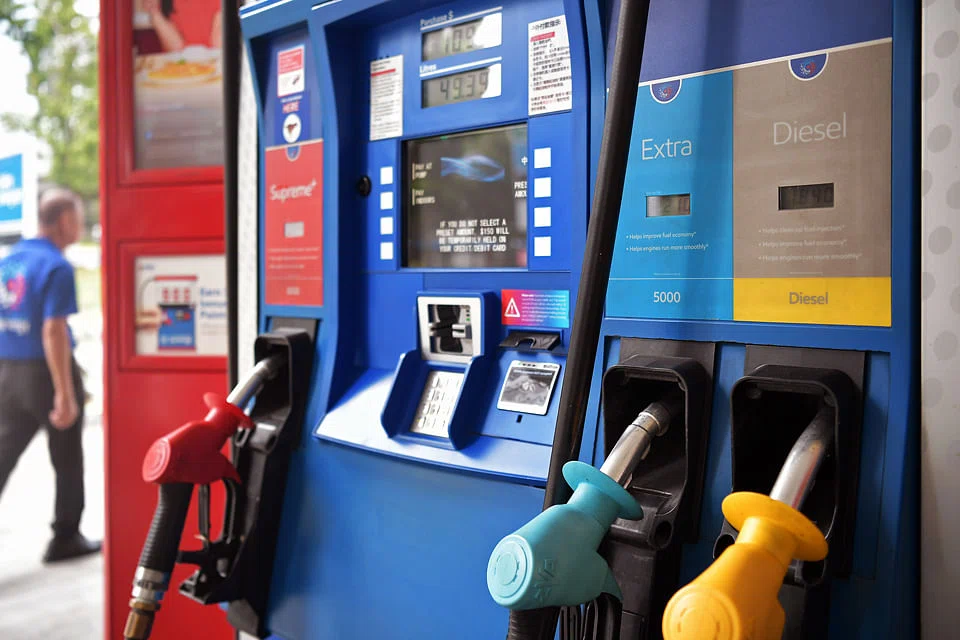
Oil is the largest element in the regional energy mix, with coal, which is largely used for power generation, the fastest growing. South-east Asia's oil demand is expected to surpass 9 million barrels per day by 2040, up from about 6.5 million barrels today.
Based on the widening gap between indigenous production and projected oil and gas needs, South-east Asia could register a net deficit in payments for energy trade of over US$300 billion per year by 2040, almost entirely due to oil imports, said IEA.
This implies a growing strain on government budgets - especially if subsidy policies remain in place that shield consumers from paying market-based energy prices - and increased energy security concerns, noted the report.
In the case of oil, the region's overall dependence on imports would exceed 80 per cent in 2040, up from 65 per cent today.
With no change in policy, South-east Asia's energy demand is expected to grow by 60 per cent by 2040. While this projected rate of growth is slower than that in the past two decades, it still represents 12 per cent of the projected rise in global energy use.
Meanwhile, growth in electricity demand, at an average of 6 per cent per year, is among the fastest in the world, said the energy watchdog.
Looking ahead, electricity consumption in South-east Asia is expected to double by 2040 at an annual growth rate of nearly 4 per cent, which is twice as fast as the rest of the world.
Space cooling will be one of the fastest growing uses of electricity in the coming years, propelled by rising incomes. Currently, less than 20 per cent of households in the region have air conditioning; in Indonesia, only 10 per cent do.
IEA pointed out that the average efficiency of air conditioning units sold today is well below the global average although more efficient units, including those manufactured locally, are already available at comparable cost.
Enhanced efforts to improve building and equipment efficiency can potentially reduce by half the growth in cooling demand by 2040, it added.
The agency also noted that modern renewables are only contributing "modestly" relative to their potential.
Renewable energy (excluding the traditional use of solid biomass) currently meets only around 15 per cent of the region's energy demand. Hydropower output has quadrupled since 2000 and the modern use of bioenergy in heating and transport has also increased rapidly.
Without stronger policies in place, the share of renewables in power generation is expected to rise from 24 per cent today (18 per cent of which is hydropower) to 30 per cent by 2040.
This figure lags far behind the levels reached in China, India, and some other economies in Asia.
Wind and solar energy are set to grow rapidly from today's low levels, while hydropower and modern bioenergy (including biofuels, biomass, biogas and bioenergy derived from other waste products) remain the mainstays of the region's renewable energy portfolio.
TRENDING NOW
Why US$100 oil, 5% US yields affect Singdollar, ringgit differently vs other Asean currencies

Singapore fintechs struggle to find finance and tech talent

Despite the de-dollarisation debate, demand for dollar liquidity in Asia is growing

Why Tan Aik Keong of digital solutions specialist Agmo wants to make himself less indispensable

