

Russia says economy to contract by less than 3% in 2022
 Add BT as a preferred source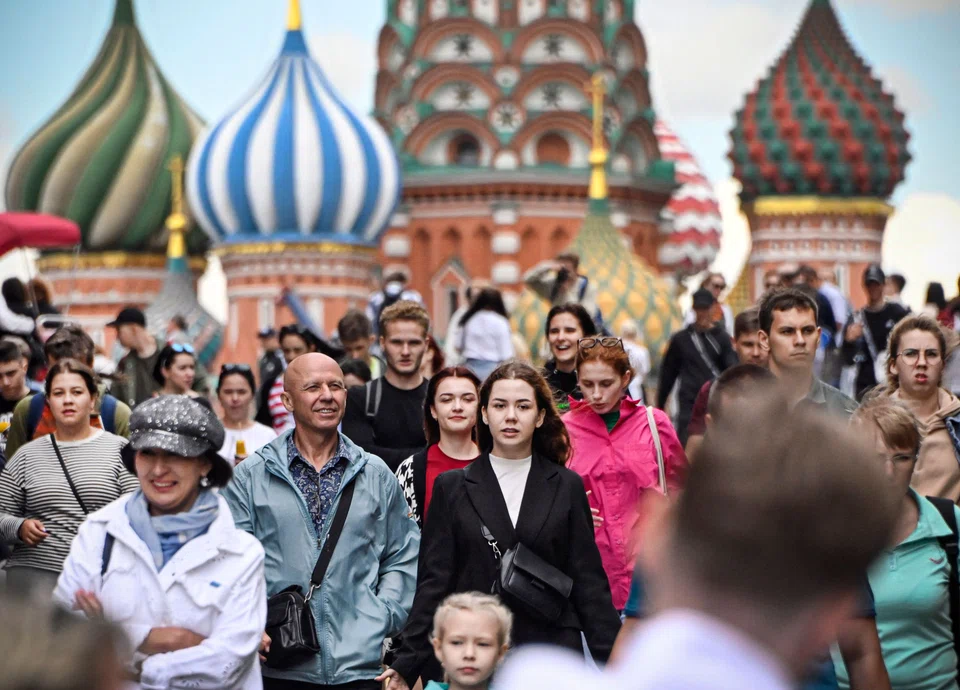
DeeperDive is a beta AI feature. Refer to full articles for the facts.
RUSSIA’S economy will shrink by less than 3 per cent in 2022, a much shallower contraction than initially expected, while inflation will be below earlier projections, First Deputy Prime Minister Andrei Belousov said on Monday (Aug 29).
Russia’s economy took a hit from sweeping Western sanctions that followed Moscow’s move to send tens of thousands of troops into Ukraine on Feb 24. But the economic aftermath has proved not to be as painful as initially feared.
Belousov said Russia’s gross domestic product (GDP) would fall by “a little more than 2 per cent“ this year, followed by a decline of “no more than 1 per cent“ in 2023.
The latest set of forecasts from the economy ministry in mid-August suggested GDP would contract 4.2 per cent this year, despite earlier warnings of a drop of more than 12 per cent, which would have been the biggest fall in economic output since the mid-1990s crisis following the collapse of the Soviet Union.
Despite unprecedented sanctions and many foreign companies leaving Russia, the government saw no signs that the labour market situation is worsening, Belousov said, although there were risks that it could.
The unemployment rate stood at 3.9 per cent in June, the lowest since the statistics service started publishing the figure in 1992, according to the Eikon database.
Navigate Asia in
a new global order
Get the insights delivered to your inbox.
After soaring to a 20-year high of 17.8 per cent in April after the rouble collapsed to a record low, full-year inflation will be 12-13 per cent, Belousov said.
Non-commodity exports this year will fall by 17 per cent as Russia has lost access to European markets, Belousov told a televised government meeting. Imports of consumer goods have, however, nearly recovered thanks to new trade routes and parallel imports.
“Imports are a key issue, since limiting imports is one of the tools, the levers of the whole logic of sanctions on our country,” he said.
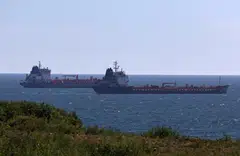
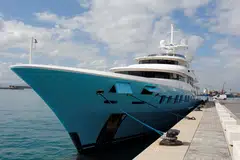

Russia has included a wide range of products from foreign carmakers, technology companies and consumer brands in the parallel imports scheme, aimed at shielding consumers after regular imports slumped.
Investment imports have suffered more, Belousov said, predicting a decline of up to a fifth this year.
“The situation remains quite difficult due to both restrictions on imports of investment equipment and other sanctions,” Belousov said, predicting the decline in capital investment to reach its maximum level in the fourth quarter this year and early next year. REUTERS
Decoding Asia newsletter: your guide to navigating Asia in a new global order. Sign up here to get Decoding Asia newsletter. Delivered to your inbox. Free.
Share with us your feedback on BT's products and services
TRENDING NOW
Singaporeans can now buy record amount of yen per Singdollar

Beijing’s calculated silence on the Iran war

China pips the US if Asean is forced to choose, but analysts warn against reading it like a sports result

StarHub hands Ensign InfoSecurity control back to Temasek in S$115 million deal, books S$200 million gain

