

MPs debate Singapore's borrowing and expenditures
 Add BT as a preferred source
DeeperDive is a beta AI feature. Refer to full articles for the facts.
WITH Singapore dipping into past reserves for the second consecutive year and planning to issue up to S$90 billion in new government bonds, Members of Parliament (MPs) are raising more questions on the Republic's long-term fiscal approach.
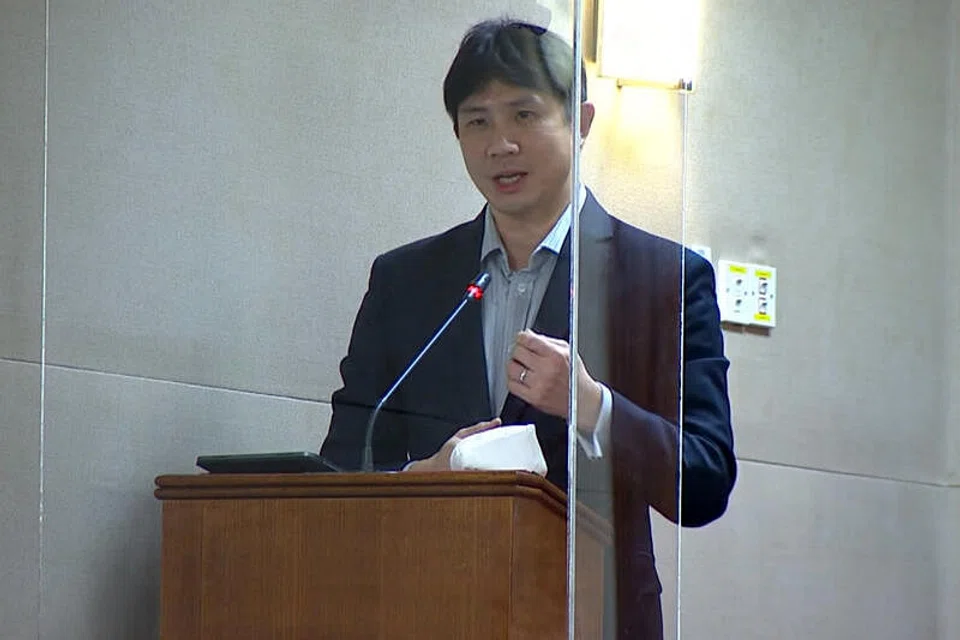
On Thursday's debate on Budget 2021, MP Jamus Lim (Sengkang GRC) suggested the government's upcoming Significant Infrastructure Government Loan Act (SINGA) bonds could also be used to fund expenditures in areas such as research and development, pre-tertiary education, jobs and skills initiatives, and unemployment insurance.
The SINGA bonds mark a shift from the government's long-held approach to borrow mainly for investment - and not for spending needs. However, the bonds are intended to only finance major, long-term infrastructure projects such as Mass Rapid Transit (MRT) lines and tidal walls.
Mr Lim's proposal would enlarge the scope of what the bonds are intended to finance, into areas now funded by recurrent revenues like the goods and services tax (GST). Mr Lim proposed to borrow up to S$60 billion to finance such programmes. This could be carved out of, or on top of the S$90 billion borrowing limit proposed for SINGA bonds, he said.
Mr Lim's position is in contrast to the caution urged by other parliamentarians, like MP Foo Mee Har (West Coast GRC). On Wednesday, Ms Foo urged "great discipline" in government borrowing, saying: "It would not be sustainable to depend on borrowings to fund our recurrent spending needs, such as health care and education."
Debt aside, MPs are also making their views known on expenditures, which ballooned last year to stabilise the economy from Covid-19.
Navigate Asia in
a new global order
Get the insights delivered to your inbox.
On Thursday, Mr Lim called for an "abundance of caution" in tapering financial assistance for families and companies, citing the risk of prolonged economic pain. At the same time, MP Cheryl Chan (East Coast GRC) said she was "concerned" over Singapore's current fiscal position, signalling a preference for restraint.
Ms Chan appealed for a "longer-term" perspective on Singapore's expenditures, in which Budgets should not be perceived as an annual ritual of "goodies" or "penalties".
She highlighted fiscal pressures such as heightened international competition for investments, tightening government revenues, and escalating costs due to an ageing population and new economic trends.
"It is important that we first try to think how to stretch our existing resources, our every dollar, instead of cultivating a mentality that we have a reserve to dip into," said Ms Chan.
She asked: "Would Deputy Prime Minister Heng be outlining a projected timeline and roadmap on when these amounts would be returned to the reserves?"
Decoding Asia newsletter: your guide to navigating Asia in a new global order. Sign up here to get Decoding Asia newsletter. Delivered to your inbox. Free.
Copyright SPH Media. All rights reserved.
TRENDING NOW
Why where you park your joint venture matters: Lessons from a US$689 million shareholder dispute

China pips the US if Asean is forced to choose, but analysts warn against reading it like a sports result

Vietnam formalises new state leadership, redefining ‘four pillars’ power balance
Autobahn Rent A Car directors declared bankrupt over S$50 million each owed to DBS

