

Singapore businesses far less upbeat compared with rest of Asean: survey
HSBC findings strike worrying note for Republic's outlook as it struggles to get out of slump amid global slowdown
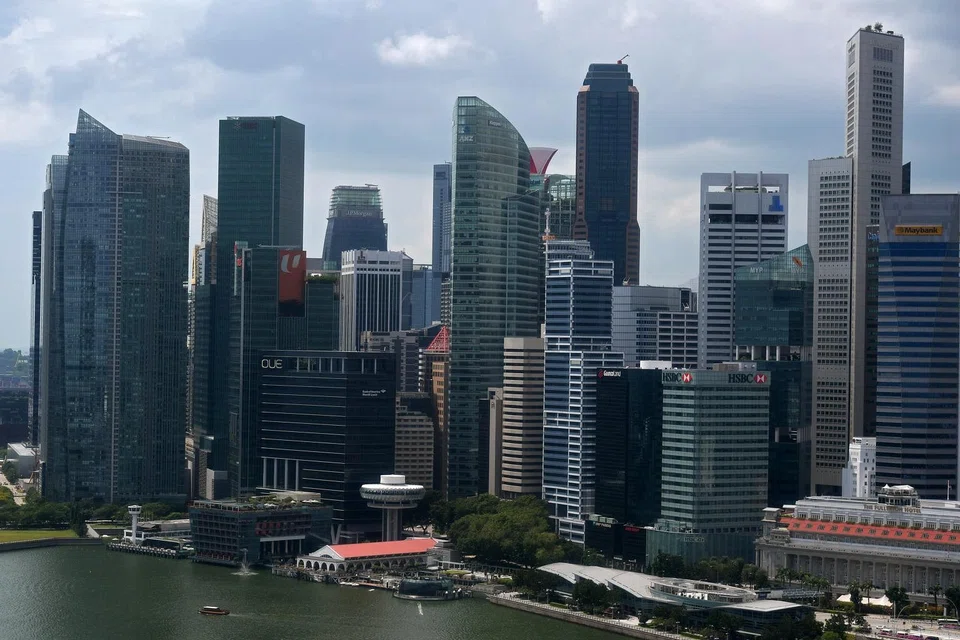
Singapore
ASEAN businesses may be among the most bullish in the world, but Singapore companies are far less confident about their growth prospects in the coming year, striking a worrying note for Singapore's outlook as it struggles to get out of its slump amid a global economic slowdown.
According to an annual global trade navigator report by HSBC, Singapore's business sentiment is at odds with the rest of Asean; only 65 per cent of Singapore companies expect their sales to grow in the next 12 months, considerably lower than the 81 per cent in Asean projecting growth in the year ahead.
Singapore's outlook is also bleaker compared with the global average of 79 per cent and Asia's average of 77 per cent.
This comes as Singapore's small, open economy is comparatively more vulnerable to the global external environment and trade protectionism, with its trade more than three times the size of its gross domestic product. The Republic's economy has been hard-hit by the US-China trade war, with full-year growth expected to come in at less than one per cent, down from 3.1 per cent in 2018.
Correspondingly, the report - which polled 200 Singapore-based firms over August and September this year - found that Singapore businesses are more affected by protectionist measures than elsewhere. Only 37 of Singapore respondents feel that they gain more than they lose from protectionism, while the global average is 57 per cent.
In addition, 40 per cent of Singapore respondents are pessimistic about their growth prospects, double the global average of 18 per cent and Asia's average of 20 per cent.
Firms which expect their business to shrink foresee increased competition (54 per cent), supply chain disruptions (52 per cent), and rising tariffs (51 per cent) to affect them.
With the changes seen in global trade, Singapore's trade relationships are also shifting. For instance, China, Malaysia and the United States remain Singapore's key trading partners, but their significance have eased, according to Singapore respondents.
Some 37 per cent of Singapore businesses identify China as one of their top three trading partners this year, down from 47 per cent in 2018.
The importance of the US also waned, falling to 13 per cent from 25 per cent previously. Malaysia also fell from 29 per cent in 2018 to 21 per cent this year.
Taiwan is the only trading partner which has gained in significance by Singapore businesses, from 5 per cent of companies including it as a top three trading partner last year to 9 per cent in this survey.
With the gap closing with Singapore's other trade partners, it suggests that businesses here are diversifying their markets, possibly as a risk management play.
Some markets that held steady as Singapore's trading partners include Japan at 11 per cent, Vietnam at 10 per cent and India at 6 per cent.
Even as Singapore companies remain subdued in their trade outlook in the coming year, the report also found that they are more optimistic about a trade resurgence over the medium term, especially in the Asia-Pacific and Asean.
Globally, China remains Singapore's most important growth market, with 31 per cent of firms naming it as their top three future growth markets in the next three to five years.
Meanwhile, some 16 per cent of Singapore companies expect Indonesia to become its most important market in South-east Asia, relegating Malaysia to second place at 15 per cent.
Alan Turner, head of Commercial Banking, HSBC Singapore, said: "Clearly, global headwinds are prompting Singapore businesses to batten down the hatches by either dialling down activity or diversifying their trade corridors."
With Asean as the most bullish trade bloc in the world, with its growing demographic, increasingly number of inter-regional frameworks and sprouting innovation scene, Singapore businesses need to jump on these opportunities or risk being left behind, he noted.
"While the temptation may be to sit and wait, Singapore businesses should be turning their focus to these neighbouring countries for future growth," added Mr Turner.
HSBC's Navigator report surveyed 9,131 companies across 35 markets globally to gauge business sentiment and growth prospects.
READ MORE: Is now the right time for Singapore companies to expand abroad?
TRENDING NOW
Stocks to watch: Keppel, Seatrium, OUE Reit, Wilmar and more
Hidden value: Why SGX consumer stocks deserve a closer look
Keppel’s RigCo, Seatrium to complete four offshore rigs in deal worth over S$500 million

Decision fatigue, complexity stop people from investing despite growing retirement needs: BlackRock

