

Singapore has no plans to raise Dorscon alert for Covid-19 to Red
Instead, authorities will reactivate the PHPC programme; at 900 designated clinics, Singaporeans and PRs with respiratory illnesses will pay flat subsidised rate of S$10

Singapore
SINGAPORE authorities have no plans to raise its novel coronavirus risk alert level from Orange to Red, even as it is adopting additional measures in a bid to reduce the risk of community transmission.
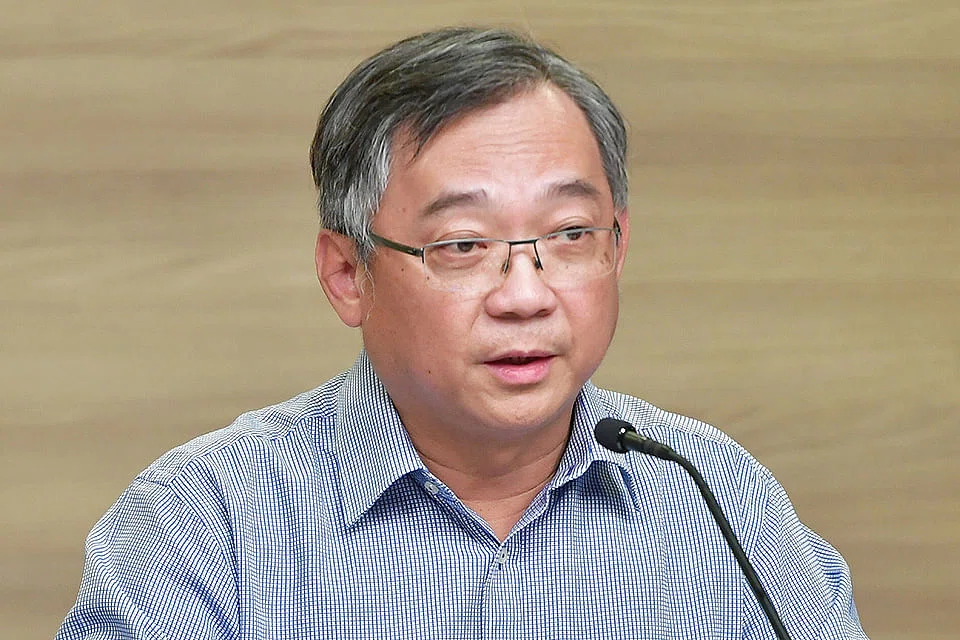
"I want to say categorically that we have no plans to go to Dorscon Red," Gan Kim Yong, Minister for Health and co-chair of a multi-ministry task force set up to deal with Covid-19, said at a press conference on Friday evening, referring to the country's colour-coded Disease Outbreak Response System Condition.
This comes even as the Ministry of Health (MOH) revealed nine new confirmed cases, bringing the total number of cases in Singapore to 67.
Instead, the authorities are stepping efforts to deal with the outbreak, and one measure is the reactivation of the Public Health Preparedness Clinics (PHPC) programme.
Mr Gan said there are 900 such designated clinics, and Singaporeans and permanent residents with respiratory illnesses pay a flat subsidised rate of S$10 when they seek treatment at such clinics or polyclinics.
Senior citizens who belong to the Pioneer Generation or Merdeka Generation will pay S$5 at the same clinics.
From Feb 18, the designated clinics will be progressively activated to care for patients with respiratory symptoms, such as fever, cough, sore throat and runny nose, MOH said in a statement. Patients suspected to have pneumonia will be referred to hospitals for further tests and care.
Healthcare professionals have also been advised to provide medical certificates of five days for their patients with respiratory symptoms. This step is being taken as many of the local confirmed cases had continued to "circulate in the community" or go to work even though they were already ill, MOH said.
Lawrence Wong, National Development Minister and co-chair of the multi-ministry task force, said that based on research, it is "clearly emerging" that Covid-19 is different from the severe acute respiratory syndrome (Sars).
"In fact, the transmission mechanism is closer to H1N1 or influenza ... it is also the case that Covid-19, like influenza, can spread quickly," Mr Wong said.
He said a comprehensive study by the World Health Organization of 17,000 patients shows that 82 per cent of patients have mild symptoms, 15 per cent have severe symptoms and 3 per cent have critical symptoms.
"It is not a mild illness at all, but certainly not of the severity of Sars," Mr Wong said.
In contrast, he noted that 10-20 per cent of the global population were affected by the flu pandemic of 2009, and more than 400,000 people in Singapore got H1N1 over the year.
A "significant number" of Covid-19 cases in Singapore had mild symptoms in the initial phase of infection, according to observations by the National Centre for Infectious Diseases (NCID).
Mr Wong said there is growing evidence that the virus is difficult to detect because it is transmissible and infectious when symptoms are mild.
"Experts are saying that the spread of the virus to other countries may already be happening but it's undetected, particularly in South-east Asia as well, so it's already going beyond China," Mr Wong said, as he explained why numbers outside China have not appeared to increase as quickly.
Nonetheless, Mr Wong said health authorities around the world, including Singapore, are doing everything they can to reduce the spread of the virus.
And as more information emerges, it will allow the government to reassess its strategies, he said.
READ MORE:
TRENDING NOW

He built the Vingroup empire. Now South-east Asia’s richest man is handing some key roles to his sons

32 companies, 6 individuals bag accolades at Singapore Corporate Awards 2026
Can a first-time homebuyer couple earning S$18,000 a month afford a new EC unit?
Floods compound Philippine growth woes from public-works scandal

