

Singapore inflation set to rise with growth outlook clouded by Ukraine crisis: Gan
 Add BT as a preferred source
Sharon See
DeeperDive is a beta AI feature. Refer to full articles for the facts.
THE ongoing Ukraine crisis has clouded Singapore's economic outlook, with the actual impact on the Republic's growth and inflation difficult to estimate at this stage given the uncertainties, Trade and Industry Minister Gan Kim Yong said on Monday (Feb 28).
"However, what is clear is that inflationary pressures are likely to rise further in the near term, especially through an increase in the prices of oil-related items in the first instance. The downside risks to our economy have also increased significantly," Gan told Parliament while speaking at the Budget debate.
Singapore's core inflation rose to a near-decade high in January at 2.4 per cent, while headline inflation was at a 9-year high at 4 per cent.
The Ministry of Trade and Industry had earlier estimated full-year growth of 3-5 per cent year on year this year, after the economy in 2021 beat estimates with a 7.6 per cent growth.
Gan said a lot will depend on how the conflict unfolds, the global response to the situation, and the longer-term impact on the global economy.
"Some may ask, can we shield Singapore from the impact of these external factors. As an open economy, we will not be able to totally insulate Singapore from the impact of higher global costs," Gan told the House.
Navigate Asia in
a new global order
Get the insights delivered to your inbox.
However, he added that the government will continue to monitor the situation closely and introduce additional measures to help businesses and households if necessary.
For now, the immediate and direct impact on Singapore's economy and firms has been manageable, Gan said, based on initial assessment.
Singapore companies have a limited presence in Ukraine, and the Republic does not import many essential supplies from Ukraine and the region, he added.
"Having said that, the conflict is still evolving, and the situation could change very quickly," Gan warned. "Make no mistake, that while Ukraine may seem far away from Singapore, the conflict there will have real and significant impact on all of us."
This is because economic sanctions imposed on Russia, which last Thursday invaded the East European country, and the disruption to supplies, are likely to raise global prices of energy and other products in the coming weeks.
One key area Singapore is expected to see significant impact is energy cost, since it imports most of its energy needs, Gan said, adding that there has already been a spike in global prices of oil and natural gas.
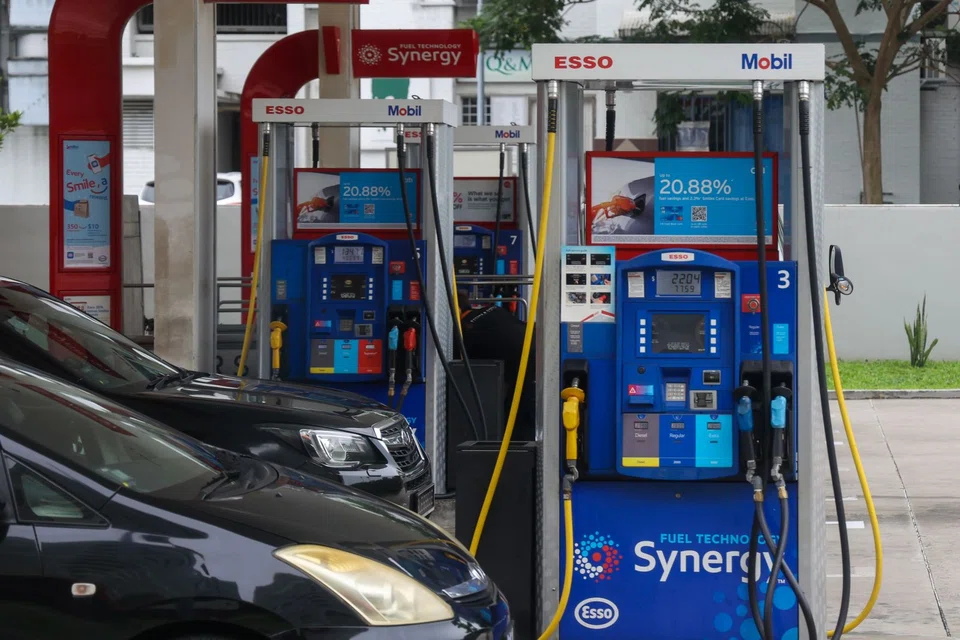
This means higher pump prices for petrol and diesel, as well as electricity rates for both businesses and households, further raising the cost of living.
At the same time, the crisis will further strain global supply chains, as Russia and Ukraine are major exporters of commodities such as wheat and metals like nickel and palladium, said Gan, adding that this would lead to a rise in prices of goods that use these commodities.
The government is working with key companies to review their business continuity plans to minimise disruptions to their business operations, he said.
"We must also be prepared for the follow-on impact on trade and investment flows. A protracted conflict will affect business confidence and weigh on global economies, and impact their recovery from the pandemic," said Gan.
The minister added that the conflict in Ukraine is a stark reminder that Singapore, as a small country with an open economy, is vulnerable to the vagaries of international developments, whether they are military conflict, global inflation and supply chain disruptions.
It is thus crucial that Singapore strengthens its defences against such external shocks, he said.
READ MORE: Singapore imposes sanctions on Russia, blocking certain bank transactions and exports: Vivian
Decoding Asia newsletter: your guide to navigating Asia in a new global order. Sign up here to get Decoding Asia newsletter. Delivered to your inbox. Free.
Copyright SPH Media. All rights reserved.
TRENDING NOW

Air India asks Tata, Singapore Airlines for funds after US$2.4 billion loss
‘Boring’ is the new black: The stars are aligning for a Singapore stock market revival

From 1MDB to ‘corporate mafia’: Is Malaysia facing a new governance test?
South-east Asian markets account for 8.8% of global capital inflows from 2021 to 2024: report

