

Singapore is 4th most expensive city in the world for expats, up a notch
Consulting firm Mercer ranking shows Asian cities lead when it comes to cost of living for expatriates
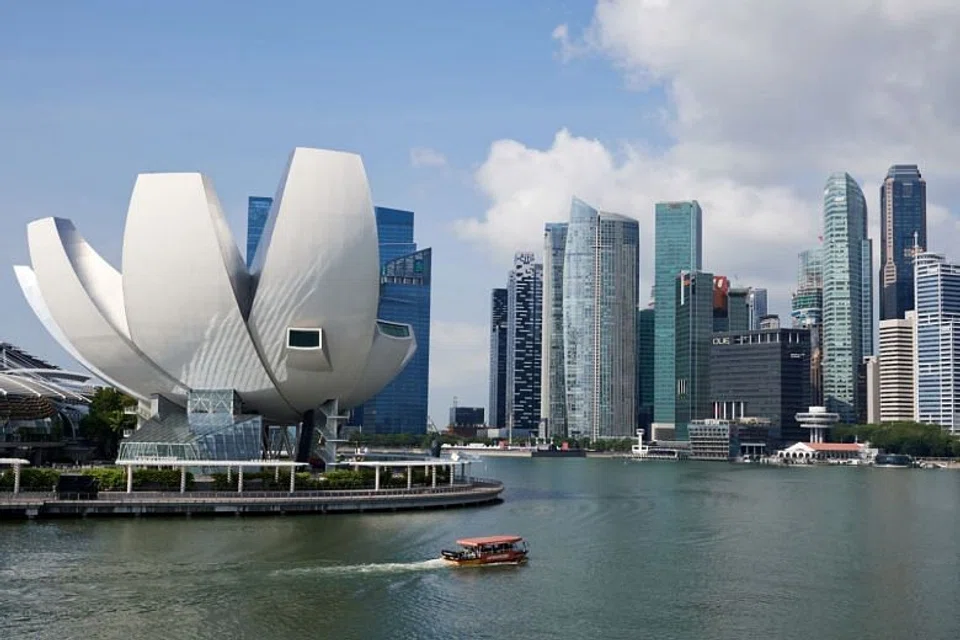
Singapore
SINGAPORE is now the fourth most expensive city for expatriates, having moved up one spot from last year's ranking, according to the latest Cost of Living Survey published by global consulting firm, Mercer. Hong Kong is the world's costliest city for working abroad, followed by Tokyo and Zurich.
Asian cities lead when it comes to the cost of living for expatriates by taking six of the top 10 spots in Mercer's annual ranking.
Said Mario Ferraro, Mercer's global mobility practice leader for Asia, the Middle East, Africa and Turkey: "Across the board, currency fluctuations and inflation for goods and services drive up the cost of living in Asian cities."
"While Singapore has climbed up one notch in the cost of living rankings from last year, this is balanced off with high salaries and a stable economy."
Also in the top 10 most expensive cities are Luanda (6), N'Djamena (8) and Bern (10). On the other end of the spectrum, developing and war-torn cities populate the bottom rankings. The least expensive cities for expatriates are Bishkek (207), Tunis (208) and Tashkent (209).
With its soaring rents, Hong Kong recaptured the top spot from last year's leader Luanda, the capital of Angola, which fell to sixth position thanks to the weakening of its local currency against the US dollar. Elsewhere in Asia, Mumbai (55) is India's most expensive city, while Kuala Lumpur rose 20 places to come in at 145.
Due to the depreciation of the US dollar against major currencies, US cities also fell in the ranking. New York dropped four places to No 13 globally.
Overall, Western European cities rose in the rankings, due mainly to the strengthening of local currencies against the US dollar, and the cost of goods and services. Zurich (3) remains as the most costly European city.
Mercer's 2018 survey covered 209 cities, measuring the comparative cost of more than 200 items in each location - including housing, transportation, food, clothing, household goods and entertainment.
Notably, Singapore consistently ranks as one of the most expensive cities in the world. Earlier this month, another Cost of Living Survey published by data provider ECA International cited Singapore as the ninth most expensive Asian city for expatriates. Globally, Singapore took the 20th spot this year, having been placed 24th in 2017. Nonetheless, this is still below the city-state's peak in 2016, when it ranked 18th worldwide.
ECA carries out cost of living surveys that compare a basket of like-for-like consumer goods and services commonly purchased by expats. However, expenses such as accommodation rental, utilities, car purchases and school fees are not included as these are usually covered by other allowances, ECA said.
Separately, another report by corporate services provider Sovereign Group noted that while Singapore may be ranked as the most expensive city to live in by the Economist Intelligence Unit (EIU), a different ranking shows this is hardly the case when personal income tax rates are taken into account.
Singapore has topped the EIU's annual Worldwide Cost of Living Survey for five consecutive years. The EIU survey is meant to help businesses calculate compensation packages for overseas staff postings. Sovereign's index intends to do the same. However, it considers not just the comparative prices of goods and services in cities, but also how much an individual would need to earn to afford these items, after paying local taxes.
Singapore came in at 11th place for its top earners, according to Sovereign's latest tax-adjusted Worldwide Cost of Living Index. For average earners, Singapore ranks a more modest 13th.
Sovereign's adjusted rankings for top earners were calculated by taking a city's EIU score and multiplying it by the city's top rate of personal tax on earned income. For average earners, the "all-in tax" rate was used. This refers to income tax as well as social security contributions as a percentage of gross wage earnings.
TRENDING NOW
Easy to rent out, hard to sell: Are buyers losing interest in Singapore’s one-bedroom condos?

GovTech retrenches another 38 staff in second round of layoffs

Stocks to watch: Seatrium, CapitaLand Investment, Keppel DC Reit, Suntec Reit, CLCT, TSH Resources

World’s largest offshore wind platform by Seatrium consortium on track to be completed by 2028

