

Singapore keeps 3rd spot in global ranking of competitiveness
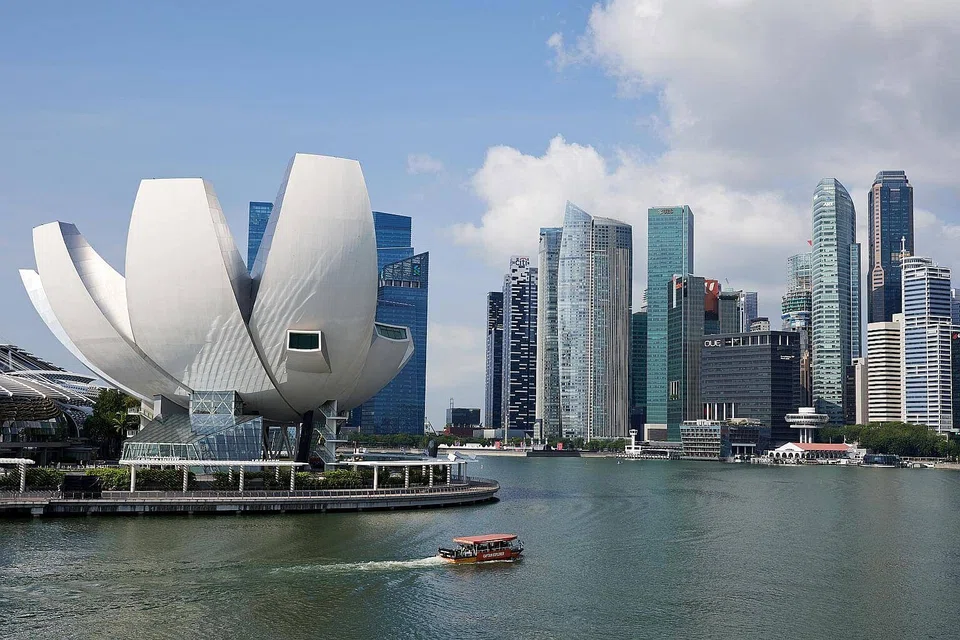
Singapore
SINGAPORE has stayed in third place in an annual world competitiveness ranking of 63 economies topped this year by the United States, which made its first return to pole position since 2015.
In the ranking by Swiss business school IMD, Hong Kong slipped to second spot from first place in 2017, despite a strong performance in government and business efficiency. It kept its lead over its long-time rival Singapore, which held on to its ranking largely because of strong government efficiency.
The US' return to the top spot was powered by its economic performance and infrastructure.
Both Hong Kong and Singapore were the only Asian economies in the top 10 of the ranking, which is in its 30th year. Western advanced economies, including Netherlands (fourth), Switzerland (fifth) and Denmark (sixth), hogged the first 10 positions; the only other non-Western economy in the top 10 was the UAE.
Austria, which jumped from 25th to 18th, and China, from 18th to 13th, made the biggest leaps in the ranking, which is based on 258 indicators relating to economic performance.
IMD World Competitiveness Centre director Arturo Bris said: "Economic growth, reduction of government debt and increased business productivity enabled Austria to move up.
"In the case of China, investment in physical and intangible infrastructure, as well as improvement in some institutional aspects such as the legal and regulatory framework, boosted its performance."
There were some shifts among the bottom-ranked economies: While Mongolia (62nd) and Venezuela (63rd) remained in the bottom two spots, Ukraine (59th) and Brazil (60th) improved. "Brazil's improvement is the first since 2010 due to a positive shift in real gross domestic product and employment; Ukraine fared better because of its business efficiency," said IMD's report. The jumps made by these two economies pushed Croatia down to 61st.
Professor Bris said this year's rankings reinforced a crucial trait of the competitiveness landscape: "Countries undertake different paths towards competitiveness transformation." He said countries at the top of the rankings share an above-average performance across all competitiveness factors, but their competitiveness mix varies."
Asian economies' overall showing in the rankings was mixed. While Japan (25th), South Korea (27th), Malaysia (22nd) and India (44th) fared a tad better, Taiwan (17th), Thailand (30th) and Indonesia (43rd) fell a few spots.
The Philippines (50th) fell by nine places. The reasons included a decline in tourism and employment, the worsening of public finances and a surge in concerns about the education system.
Australia (19th) went up two positions; New Zealand (23rd) fell seven.
The report said that Asian economies that experienced declines this year - with the exception of Taiwan - all showed signs of a need for improvements in their tangible and scientific infrastructure.
Noting that China has climbed steadily in rankings over the past five years - it has risen 10 spots since 2014 - the report said it has performed strongly in its domestic and jobs market. But this progress in infrastructure has been marred by limited government efficiency.
"Stimulating domestic consumption, institutional reforms and resolving trade disputes are the key challenges for China," the report said.






