Singapore to lift most pandemic curbs from Apr 26
Many aspects of pre-Covid life are being restored


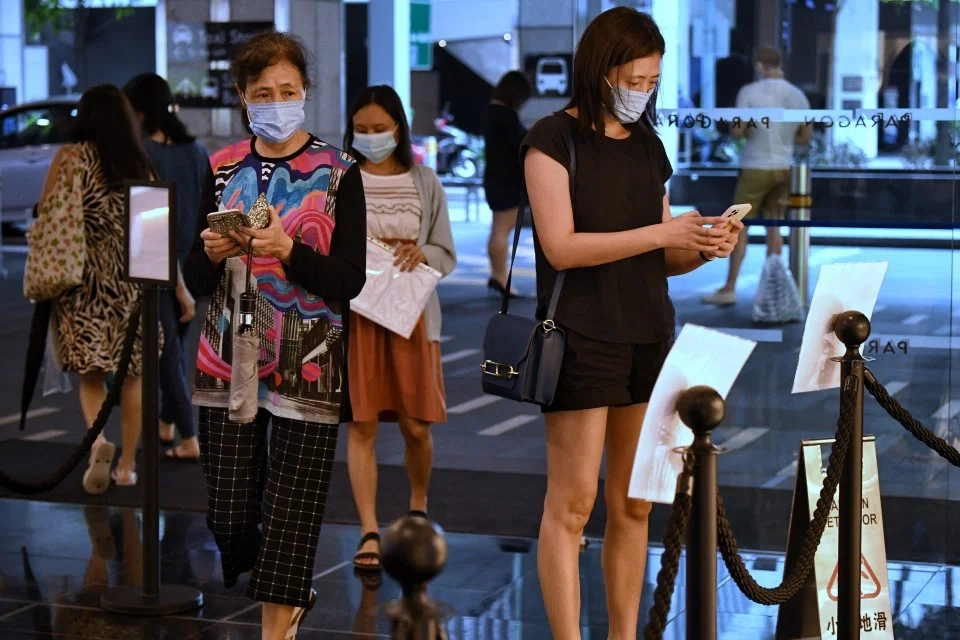
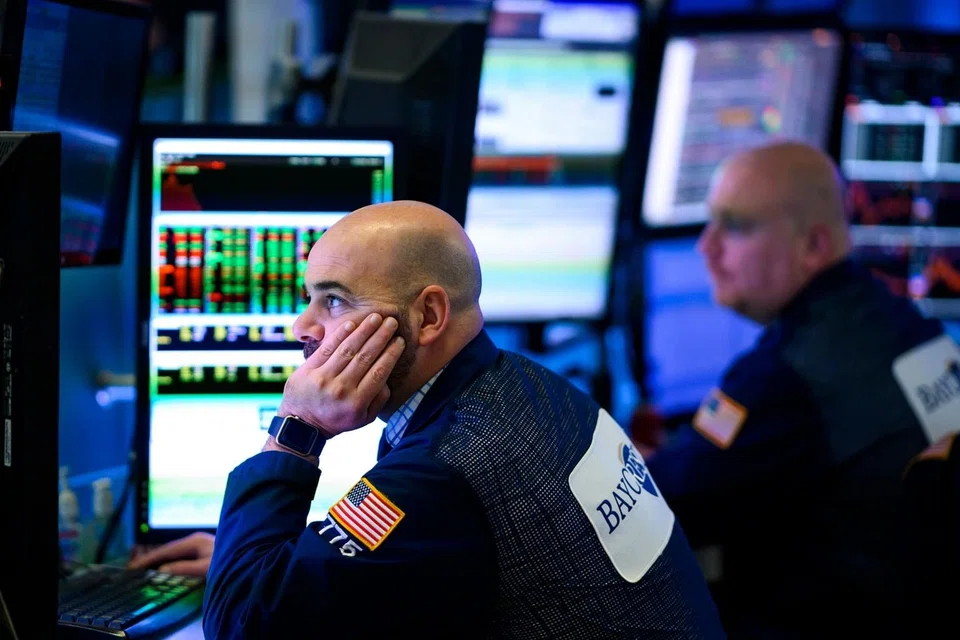
SINGAPORE is restoring many aspects of pre-Covid life in a major easing of pandemic curbs from Apr 26 (Tuesday), with analysts expecting this long-awaited moment to give an economic boost.
The multi-ministry taskforce on Covid-19 announced on Apr 22 that current measures under 4 of the 5 parameters in the Safe Management Measures (SMM) framework will be lifted, including caps on group sizes and the need for safe distancing.
This is as the country finally lowers its Disease Outbreak Response System Condition (Dorscon) level from Orange to Yellow after more than two years.
Singapore has been at Dorscon Orange since Feb 7, 2020, the second-highest level of the colour-coded framework which shows the current disease situation.
With the latest easing, domestic service activity is expected to roar back, while corporations will benefit from greater business travel - including meeting, incentive, conference and exhibition (Mice) events - and the return of more staff to workplaces.
"We are now moving into the living with Covid phase," said Victor Mills, Singapore International Chamber of Commerce chief executive, as he dubbed the news "good for our economy and for people's mental and physical well-being".
DBS senior economist Irvin Seah told The Business Times that "this is the moment that businesses and Singaporeans have all been waiting for", with "added momentum" for the economy in the next 2 quarters.
As the services sector recovers, Seah expects manufacturing-led growth to give way to a broad-based and better-quality rebound. But his full-year gross domestic product forecast remained unchanged at 3.5 per cent for 2022, amid external headwinds such as high inflation and the looming economic slowdown in China.
The last remaining testing requirement for fully-vaccinated travellers - a pre-departure test within 2 days before arrival - will also be removed from Apr 26. This has lifted lingering doubts over the possibility of holding large-scale business events later in the year, said American Chamber of Commerce in Singapore CEO Hsien-Hsien Lei, even as Singapore is "already seeing an uptick in traffic" for business visitors and meetings.
Commenting on the Republic's business competitiveness as it reopens, she noted: "Singapore has shown a willingness to be open and, in the case of a pandemic, within public health parameters."
But the next step would be reconsidering Singapore's indoor masking requirement, said Dr Lei, an epidemiologist by training. She suggested that loosening mask rules could make attending physical events more attractive and encourage overseas participants from places with more relaxed postures.
Yet despite the broad relaxation of SMMs, unvaccinated persons are still not allowed into food & beverage (F&B) establishments.
While eateries no longer need to conduct checks on their customers, random spot-checks will be conducted and the onus is on the individuals dining to abide by the rules, said the Health Ministry.
Since one-metre safe distancing is now off the table, a Restaurant Association of Singapore spokesperson said F&B outlets "rejoice in being able to optimise the seating capacity in their premises" and this is a "significant milestone that will contribute to the survival" of the industry.
But Jason Thian, a director at Boon Tong Kee said that while "increasing the number of seats for customers is a good thing", they are limited on the manpower front.
Indeed, the manpower crunch has worsened as many Malaysian workers have chosen to go back to visit their ancestral tombs for the Qing Ming Festival, he said, noting that many have not been able to do this for the past 2 to 3 years.
"Businesses that are currently facing manpower crunch will find much needed respite with an expected inflow of foreign workers," he said, in a nod to upcoming measures such as the resumption of cross-border public buses with Malaysia, and a streamlined entry process for vaccinated work permit holders, both of which take effect from May 1.
Other areas where vaccination-differentiation SMMs (VDS) will remain in place are events with more than 500 participants at any one time and nightlife establishments where dancing among patrons is one of the intended activities.
Separately, workforce vaccination measures will be lifted, though employers have the flexibility to continue implementing vaccination-related instructions for workplace health and safety and business continuity reasons, and in accordance with employment law.
All workers may return to the workplace, and are not required to wear masks at the workplace when they are not interacting physically with others and when they are not in customer-facing areas.
Still, the Ministry of Manpower, National Trades Union Congress and Singapore National Employers Federation said in a joint statement that employers "are strongly encouraged" to continue offering flexible work arrangements (FWAs) as a permanent feature of workplaces.
"FWAs help employees achieve better worklife harmony and promote a more engaged and productive workforce... Employers who offer FWAs will also benefit from talent attraction and retention," the tripartite partners said, adding that employers can also tap a wider pool of labour such as caregivers.
Public service officers whose job roles allow hybrid work will be able to telecommute for an average of two days a week, as the public service takes the lead in promoting FWAs.
Besides "flexi-place" telecommuting, FWAs can take the form of "flexi-time" or "flexi-load" set-ups.
The health ministry also said that Singapore residents above the age of 12 who have recovered from Covid-19 must get a booster jab within 9 months of their primary doses from June 1.
Vaccinated seniors aged 60 to 79 can take a second booster about 5 months after their first if they wish to do so. The second booster is already available to those 80 and older.
Some 30 per cent of eligible seniors in this group have already had their second booster.
Separately, the taskforce also announced that the use of TraceTogether (TT) and SafeEntry is being stepped down.
Most venues will no longer require check in using the TT application or token, except in situations where VDS checks are still required.
Health Risk Notices will also no longer be issued. Free community ART testing and weekend acute respiratory infection testing at the combined test centres and quick test centres will cease from Apr 26.