

Singapore's new trade-data platform aims to be game changer in digitalisation
It promises to improve transparency in the supply chain, enable logistics players to coordinate cargo movements, digitise documents, and improve efficiency and savings

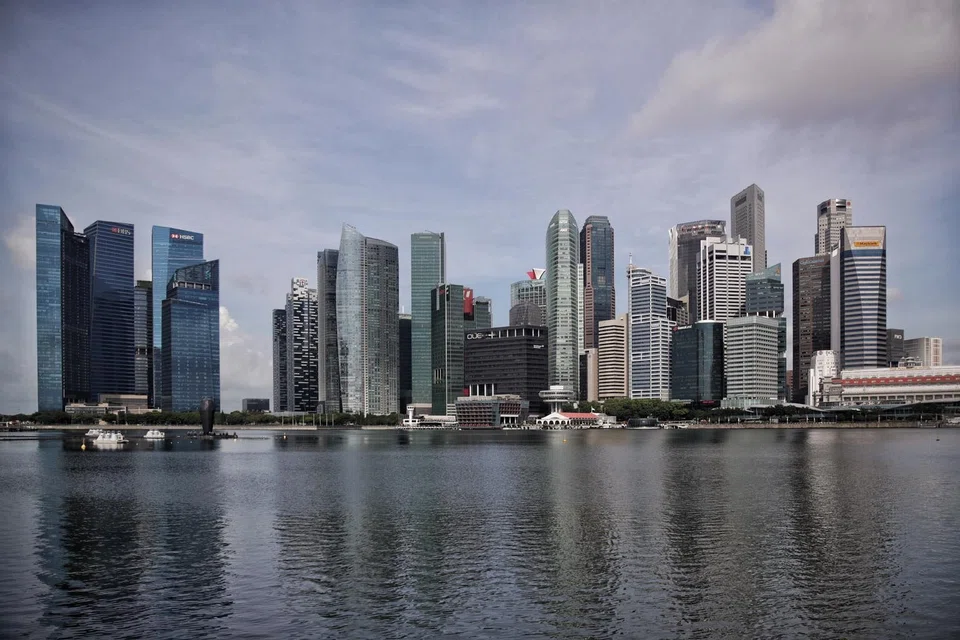
Singapore
FOR years, several initiatives to digitalise supply chains have fallen flat due to difficulties in getting enough stakeholders to use digital platforms. Industry players often cite a lack of trust, cost considerations and insufficient volume for the failure of these platforms to take off.
A new data exchange system, developed by the Singapore government in partnership with the private sector, aims to change this by offering a common data infrastructure and framework designed to be neutral and open.
The Singapore Trade Data Exchange (SGTraDex) is expected to unlock over S$200 million in value annually when fully developed. The figure was derived from pilot projects that showed reductions in finance risks, and operational savings from efficiencies gained through digitalisation and asset optimisation.
SGTraDex was launched by Deputy Prime Minister and Coordinating Minister for Economic Policies Heng Swee Keat at the ATxSummit on Tuesday. With the platform, stakeholders can easily "plug and play" to exchange data that will be encrypted and transmitted without being stored, he said.
The initiative is yet another move by Singapore to position itself as a trusted hub for global trade and logistics, especially in a post-pandemic arena, where data is expected to flow seamlessly across borders and organisations.
The movement of goods globally had been plagued by several inefficiencies even before the pandemic. Due to limited visibility of cargo in the supply chain, logistics players could not plan ahead and faced frequent congestion at depots and warehouses.
Shippers must complete multiple forms for customs declaration, trade financing and insurance, with most of the information required often similar.
SGTraDex has focused on three initial use cases. By allowing users to reconcile trade data with actual physical flows, financiers can fund trades with more confidence.
The platform also aims to enhance end-to-end visibility of the movement of container and cargo flows between manufacturing sites, warehouses, depots and ports. This can improve the way players such as hauliers and shippers coordinate cargo movements.
Lastly, the industry can use the platform to digitalise documentation and processes for the delivery of bunkers.
SGTraDex is expected to be fully rolled out in early 2022. It was conceptualised by the Alliance for Action (AfA) on Supply Chain Digitalisation.
To drive local and global adoption of the platform, the Infocomm Media Development Authority formed a partnership with AfA co-chairs PSA International and Trafigura, as well as key industry participants. These participants are banks DBS, OCBC, UOB and Standard Chartered, as well as Jurong Port, Ocean Network Express, Oiltanking and Pacific International Lines.
Tan Chong Meng, group chief executive of port operator PSA International, said PSA has been working with supply chain partners locally and globally to promote supply-chain digitalisation, but with varying success.
Part of the challenge was that trust had to be established on a one-to-one basis, and many systems operated independently.
Mr Tan told The Business Times: "With SGTraDex being built upon a strong public-private partnership model and designed with interoperability in mind, this gives industry players the confidence to embrace data sharing and data-driven collaborations, whatever point they may be on their own digital journeys."
DBS chief executive Piyush Gupta said several initiatives to digitalise on-shore trade services have been pursued in Singapore, but the lack of an end-to-end system has hindered progress.
Globally, digitalisation efforts have faced challenges in driving usage at scale and gaining consensus on platforms.
"This is where we hope SGTraDex will be a game changer, by solving in-country workflows and processes, catalysing a different approach for cross-border collaboration at scale," he said.
Still, the platform is likely to face challenges relating to industry mass adoption.
PSA's Mr Tan and Tan Chin Hwee, chief executive for the Asia-Pacific of commodities trader Trafigura, told BT that the strategy lies in multi-year partnerships and co-creation processes between the public and private sectors. Industry players will be invited to share their pain points and work together on use cases for the platform.
TRENDING NOW

Two Singapore-listed palm oil firms named in Greenpeace report on Indonesian plantation fires

Singapore Airlines flight returns to San Francisco after ‘unruly’ passenger incident

Singapore looking into which companies responsible for haze-causing fires: PM Wong
Deluge IPO 3.86 times subscribed ahead of SGX debut

