

Sovereign wealth fund urging portfolio companies to embrace tech - or be turfed out
Singapore
IN MANY ways, it's do or die. It is why GIC is actively "encouraging" incumbents in its portfolio to seize technology - or run a real risk of becoming irrelevant.
Be they in banking or any other traditional form of business, incumbents have to wake up to the new reality that barriers to entry are coming down with technology.
Greater regulatory liberalisation in age-old industries is another factor; just last week, Singapore announced its licensing framework for digital banks.
GIC has invested in fintechs such as challenger banks N26 and OakNorth.
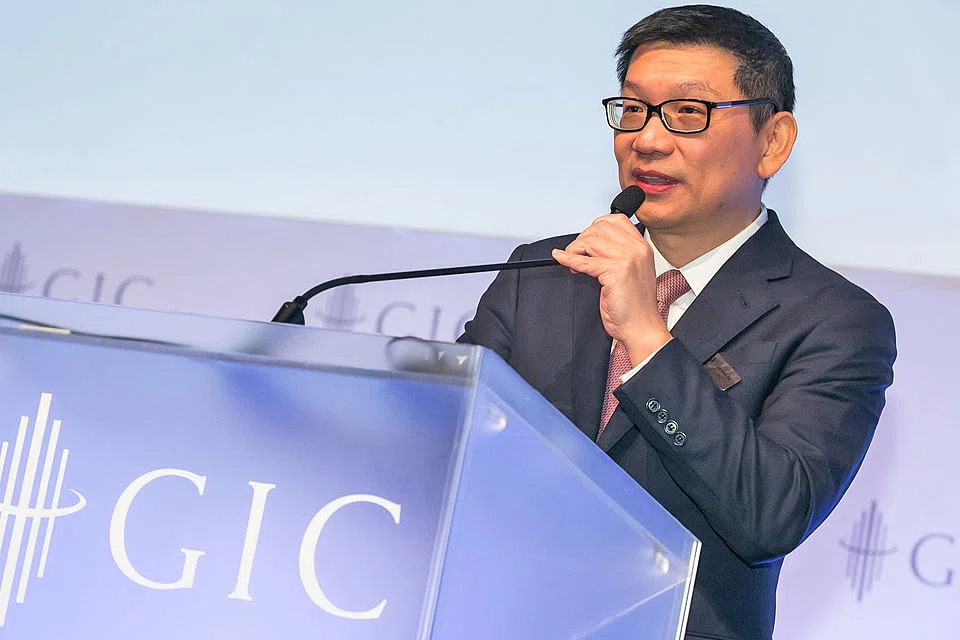
GIC's chief executive officer Lim Chow Kiat noted that while technology players in the dot-com era used to focus on selling software to incumbents, the technology upstarts of today have set their sights on replacing the traditional players - and quickly.
Mr Lim, referring to the companies GIC invests in, said: "We have been encouraging everyone to be very proactive in adopting technology, to really stay at the forefront of change."
Asked if passive incumbents now make up only a minority of GIC portfolio, he replied: "Hopefully."
To be sure, he thinks the traditional players can still win at it. Banks that have been proactive in refreshing their products and interacting with customers can milk the advantage they have - that of having a big group of customers to engage with.
These banks have also accumulated capital, or can partner with startups to build up their defences against challenger lenders.
On the flip side are banks - or traditional businesses - that pay lip service to the benefits of going digital.
Earlier this year, GIC organised its Bridge Forum in San Francisco to have Asian traditional businesses meet startups from Silicon Valley. There, the incumbents learnt about new technologies and new ways of thinking, while the startups began to appreciate that the path to becoming an established company was "not as straightforward", said Mr Lim.
The sovereign wealth fund is also looking at how industries are being disrupted by new players that catch on to changing consumer demands, which is critical as Asia's middle class expands.
In March, GIC took a 25 per cent stake in citizenM, a Netherlands-based, fully-integrated hotel real estate developer and hotel operator, with the investment giving the business an enterprise value of 2 billion euros (S$3.06 billion).
citizenM - M stands for "mobile" - brands itself as an "affordable luxury" hotel chain which caters to visitors who would pay just enough for a small boutique hotel room, in return for luxury linens, free Wi-Fi and the chance to mingle with other guests via communal areas designed like living rooms.
Trends like this speak to changing consumer demands, as travellers adapt to the Airbnb experience and are seeking out a community space. Paying extra for breakfast is now outmoded, said GIC's group chief investment officer Jeffrey Jaensubhakij.
READ MORE:
TRENDING NOW

Vietnam’s northern provinces, not Hanoi or Ho Chi Minh City, are powering near 10% GDP growth

VietJet hit with global asset freeze in FitzWalter dispute

Gridlock or growth? The Asean Power Grid faces a critical window of opportunity
LNG, stronger regional power links key to Asean’s energy resilience: Shell

