

STB chief aims to grow, anchor Mice events for the long haul

Lee U-Wen
Singapore
THE government wants to bring in the world's top conferences and exhibitions to Singapore, but it's not just a numbers game.
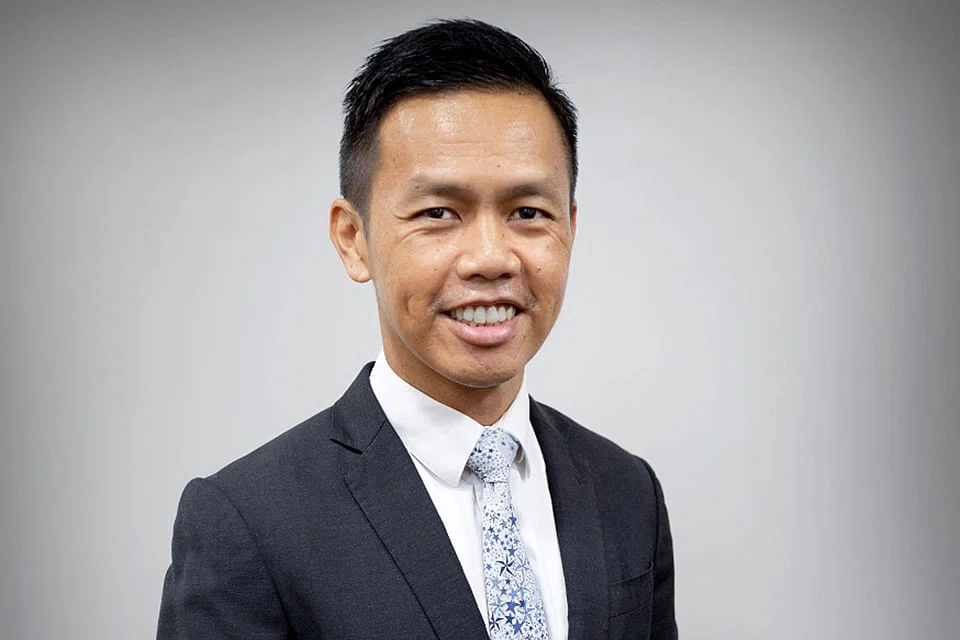
Rather, said Singapore Tourism Board (STB) chief executive Keith Tan, it is far better to see how best to grow and anchor these events here for the long haul, and ensure the foreign delegates themselves have such a memorable experience that they will return - be it for work or leisure - in future.
He cited the biennial Singapore Airshow - the largest aerospace and defence event in Asia - and the annual Shangri-la Dialogue as examples of world-class events that have entrenched themselves in the local Mice (meetings, incentives, conventions and exhibitions) calendar. "Out of every 10 CEOs who come here (for events), hopefully two or three of them will think of Singapore when they want to set up a regional headquarters. Or if they plan to host an offsite meeting for their top management and directors, or even for their next big family vacation," said Mr Tan in his first full interview with The Business Times.
"We work with our major stakeholders. If an association from overseas wants to visit one of our research institutions to see what they are doing, we try and open the doors to make it happen. Or if some guests want to have a good time at, say, Sentosa, we make sure it happens," he added.
The latest data shows that, despite the uncertain global economic outlook, there are more high-profile Mice events making their way to Singapore in the next few years, with some involving thousands of attendees who will spend millions during their stay in the Lion City.
The members of the International League of Dermatological Societies recently picked Singapore to host the 25th World Congress of Dermatology in 2023 - the first time it will be held in Southeast Asia.
It will be the largest medical convention ever hosted here, and will attract around 15,000 local and foreign delegates and generate over S$28 million in tourism receipts.
In October 2020, gamescom - the world's largest computer and video games festival - will make its Asia debut in Singapore.
This event has been held in the German city of Cologne since 2009 and it has grown to be Europe's leading business platform for the games industry with over 300,000 attendees every year.
For events like gamescom, the goal is to position Singapore as a natural base for the development and commercialisation of digital and gaming content, which in turn will support the country's digital media industry, said Mr Tan.
"Our priority should be to build an eco-system for game developers and esports teams, build this base of fans and players and ensure we have the necessary IT bandwidth infrastructure. Different pieces of this eco-system are happening already, and with this in place, Singapore is a lot more attractive for future esports events," he said.
Mr Tan has had quite the whirlwind ride after joining the statutory board a little over nine months ago in October last year.
Since the 45-year-old father-of-four moved from the Defence Ministry where he was its deputy secretary of policy, quite a lot has happened under his charge.
A three-year deal was inked with China's Alibaba to co-market Singapore, the two integrated resorts said they will embark on a massive expansion in the coming years, and new plans were announced to rejuvenate the Orchard Road shopping belt.
On his part, Mr Tan has not spent that much time being cooped up in his office near Tanglin Road. He much prefers to be out and about meeting different colleagues, stakeholders and partners.
He has flown around the world to visit some of STB's regional offices, attended numerous travel fairs, gone on board the Genting Dream cruise ship, and popped by different hotels in Singapore to find out what makes them tick.
Understanding Singapore's hotel sector, and ensuring it remains competitive and successful, is one of the top things on Mr Tan's to-do list in his first year on the job.
The starting salary at hotels - around S$2,500 a month for fresh graduates - is one stumbling block, he acknowledged. The fact that they will likely have to do shift work, work long hours, and come in on weekends also does not help matters.
Mr Tan stressed the need for hotels to think of redesigning some of their jobs, perhaps combining two or even three roles into one so that a person can earn more as a result.
During a recent visit to Frankfurt, he stayed at the Moxy, a hotel that's part of the Marriott Group. There, the check-in counter doubles up as a bar and breakfast area, with just two or three staff taking care of everything from guest check-ins to serving them meals and cocktails.
"These staff are able to earn more as a result, as they can do everything that's needed in the lobby. These are interesting ideas, and we need this sort of creativity in our tourism sector, especially at hotels," said Mr Tan.
STB is one of the tripartite partners of the new Hotel Job Redesign Initiative, with more than 100 hotels in Singapore pledging to embark on job redesign to help employees take on higher value-added jobs.
TRENDING NOW
Easy to rent out, hard to sell: Are buyers losing interest in Singapore’s one-bedroom condos?
GovTech retrenches another 38 staff in second round of layoffs
Stocks to watch: Seatrium, CapitaLand Investment, Keppel DC Reit, Suntec Reit, CLCT, TSH Resources
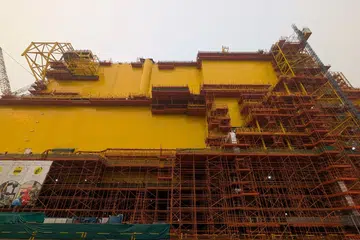
World’s largest offshore wind platform by Seatrium consortium on track to be completed by 2028

