Transport, air-con are key green investment areas in Asean: expert

Janice Heng
Singapore
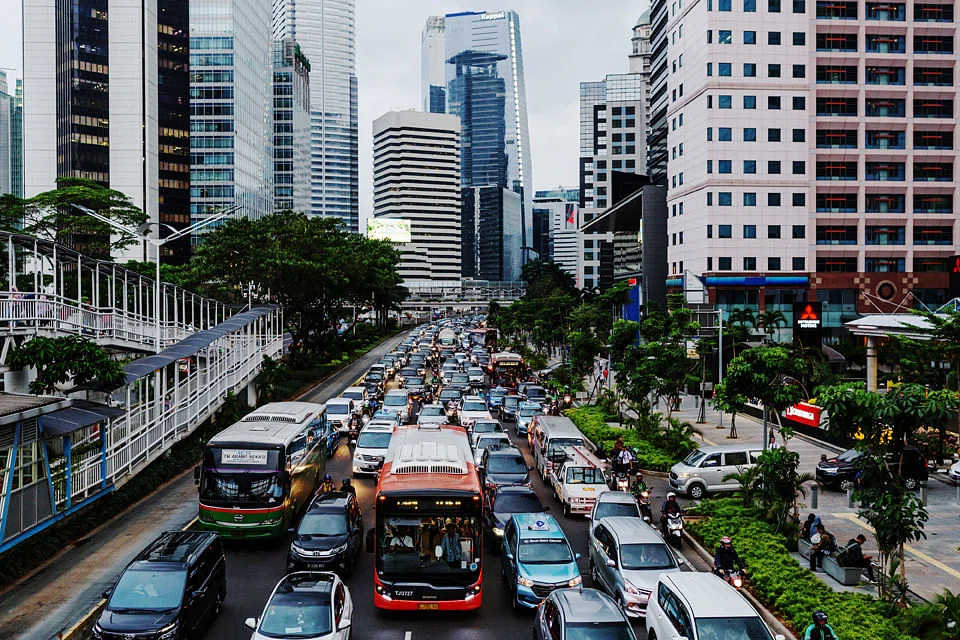
URBAN transport is an important green investment area to watch in Asean, as countries grapple with air pollution associated with conventional vehicles, said climate policy and finance expert Paul Bodnar.
Noting that India is accelerating its transition to electric vehicles, he said: "That has not happened in Indonesia, the Philippines and Vietnam yet, but I would not be surprised if they follow India's example."
Agricultural land-use and air-conditioning are other key areas for Asean, said the managing director of non-profit Rocky Mountain Institute, which aims to shift global energy use towards low-carbon technologies.
With peat fires causing haze, responsible land use can give firms an edge with eco-conscious consumers.
And as "comfort cooling" demand surges in the region, energy-efficient air-conditioning would make a huge difference to countries' emissions: "That is a huge market opportunity for whoever does that."
Rocky Mountain Institute leads the US$3 million Global Cooling Prize, to be awarded for residential cooling solutions which use 80 per cent less energy than standard units today.
Mr Bodnar, who previously served in the Obama administration as senior director for energy and climate change at the National Security Council, was in Singapore for the Innovate4Climate conference, in partnership with Ecosperity Week.
Having developed a new approach towards grant financing of low-carbon projects, his team is here "talking to a number of countries about using that instrument to get better bang for their buck for climate investment".
"You force people to reveal the true subsidy they need through an auction mechanism," he summed up.
Project developers bid for the level of financial support required, asserting that they can reduce emissions for a particular price per tonne. With US$13 billion of grant-equivalent financing flowing from developed to developing nations for climate investment each year, this provides a way to assess project effectiveness.
Though Asean has many projects in renewable energy and energy efficiency, it faces a major obstacle in its green energy journey, said Mr Bodnar: "This region is also the final battleground for coal. ...There's still a drive to build new coal plants, which really isn't the case almost anywhere else in the world at this point."
With oil and gas also a major industry here, investors - including countries - should consider the risks associated with fossil fuels, he said.
"If you're financing LNG (liquefied natural gas) terminals, for example, or pipeline infrastructure, you've got to really look at both the climate risk side - the impacts of sea level rise or typhoon incidence in the region - and on the other side, the risk of being put out of business by the economics or by environmental policy."
The window for decisive action is closing, he cautioned. "The world has embarked on a transition to a green energy future. ... But unlike other technology revolutions, we are not indifferent to the pace at which it occurs. It matters a lot whether we do it in 30 years or 10 years."
One could wait for the cost of green energy to fall, but "if you wait too long for that to happen, you're cooked, literally".
As for oil and gas players, their market valuation is largely based on the size of their reserves. Yet the emissions that would result from burning those reserves are completely out of line with climate aims.
"When investors finally wake up to this contradiction, the oil and gas bubble will burst," said Mr Bodnar. "You can choose to invest in the oil market or you can choose to invest in the survival of the species."