

Travel refund-related complaints in Singapore spiked last year amid pandemic, says Case
Singapore
THE bulk of coronavirus-related complaints to the Consumers Association of Singapore (Case) last year were complaints by travellers who were unable to get refunds on deposits and pre-payments from cancelled or postponed tour packages, flights or hotel bookings.
There were also more complaints against gyms and fitness clubs, hotels and restaurants, medical consumable firms and wedding-related businesses, as consumers sought full or partial refunds.
Along with a 23 per cent spike in overall complaints over the numbers in 2019, one in seven of the 18,335 complaints received last year were pandemic-related, said Case in a statement on Monday.
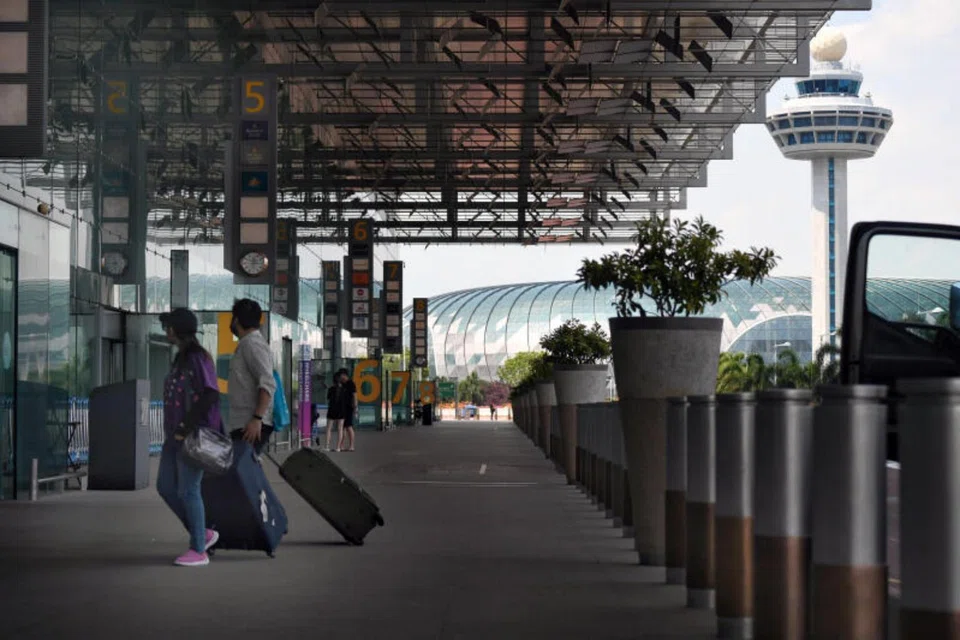
In a year of heightened global travel restrictions, around half of the complaints received were against the travel and airlines industries.
Besides being unable to recover their deposits, some consumers were charged a penalty or administrative fee for postponing their trips; others were given travel vouchers to be used at a later date instead of a cash refund.
Case said it asked two local travel associations to urge their members to offer consumers a full refund for pre-payments made for tour packages; it also urged airlines who had a higher number of complaints against them to offer flexibility in the usage of travel vouchers and the right of reimbursement if the vouchers are not used. More than S$300,000 was recovered from airlines, travel agencies and travel portals through negotiation and mediation.
Due to Singapore's "circuit breaker" restrictions and re-opening in phases last year, more complaints were made against gyms and fitness clubs, hotels and firms selling medical consumables.
With gym-goers unable to use gyms during the circuit breaker and following that, gyms operating with reduced capacity due to safe-distancing measures under Singapore's phased re-openings, there was a 91 per cent jump in complaints against gyms and fitness clubs last year over the figure in 2019. Many consumers sought help from Case to get a full or partial refund on their pre-paid gym or fitness club memberships.
Similarly, as weddings and birthday celebrations were postponed or cancelled, consumers faced difficulties in getting their deposits back. For example, some bridal salons and hotels were only willing to postpone the date of the wedding or wedding banquet, and cited clauses that said bookings made are non-refundable. Through Case's assistance, more than S$97,000 in prepayments from event contracts was recovered by consumers.
Pandemic necessities such as face and surgical masks, hand sanitisers and other related medical consumables from certain physical and online retailers were unfairly priced in some cases, with some consumers also complaining about their quality or efficacy.
Case said it worked closely with the Ministry of Trade and Industry and the Competition and Consumer Commission of Singapore "to monitor and flag profiteering behaviour and unfair practices".
Approximately 70 per cent of the complaints filed last year were resolved, with nearly S$2.8 million in cash and in kind recovered for consumers. They were either given advice on how to follow up directly with the businesses, or assisted by Case in negotiating or mediating with the companies.
With more people working from home or staying in amid tightened restrictions during the pandemic, there was a surge in online shopping. Subsequently, the number of complaints relating to online purchases almost doubled from 2,236 in 2019 to 4,366 last year.
Noting that Covid-19 has drastically changed the consumer landscape and how consumers transact in the evolving marketplace, Case president Lim Biow Chuan said the organisation "will strive to be relevant and respond to the needs of consumers on the ground in these challenging times".
He added: "Given the shift in consumer shopping behaviour, Case will continue to do more to educate consumers on how to protect themselves should purchases go awry." THE STRAITS TIMES
TRENDING NOW

MAS allocates S$1.45 billion to five asset managers in third EQDP batch: Chee Hong Tat

‘My grandfather’s legacy’: Sherman Kwek lays out three-year plan for CDL to drive returns

He built the Vingroup empire. Now South-east Asia’s richest man is handing some key roles to his sons
‘How many will survive?’: Bubble fears arise as China’s humanoid robotics face reality check

