

Turkish lira crisis poses additional risk to German economy: FinMin
 Add BT as a preferred source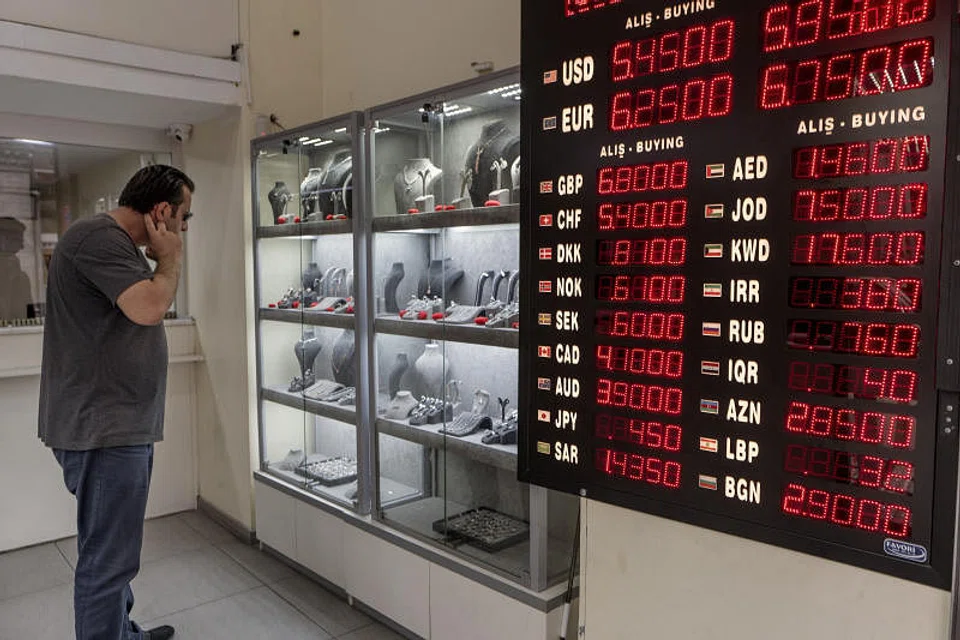
DeeperDive is a beta AI feature. Refer to full articles for the facts.
[BERLIN] Turkey's currency crisis poses an additional risk to Germany's economy on top of trade frictions with the United States and the possibility of Britain leaving the European Union without a deal, the German finance ministry said on Monday.
The Turkish lira has lost nearly 40 per cent of its value against the dollar this year, hit by a worsening diplomatic rift with the United States and by investor alarm about President Tayyip Erdogan's influence over monetary policy.
Germany is the second biggest foreign investor in Turkey, whose biggest trading partner is the European Union.
"Risks remain particularly with regards to uncertainty over how Brexit is going to pan out as well as future US trade policies," the ministry said in its monthly report. "The persistent debate about tariffs and the threat of a trade war are choking trade activity."
"The economic developments in Turkey present a new, external economic risk," it added.
Despite such risks, the German economy remains buoyant, supported by state spending, private consumption, low interest rates, a robust labour market and rising real wages, the ministry said in the report.
Navigate Asia in
a new global order
Get the insights delivered to your inbox.
Companies are also expected to raise investments as the global economy remains in good shape despite the threat of a trade war, it added.
REUTERS
Share with us your feedback on BT's products and services
TRENDING NOW

Shelving S$5 billion office redevelopment plan proved ‘wise’ as geopolitical risks mount: OCBC chairman

Eurokars Group introduces rental car franchises Enterprise Rent-A-Car, National Car Rental, and Alamo to Singapore

20 photos that show how dramatically Singapore has changed in two decades
Singapore’s key exports up 15.3% in March from electronics surge, exceeding forecasts

