

UK government borrowing jumps as inflation boosts debt costs
 Add BT as a preferred source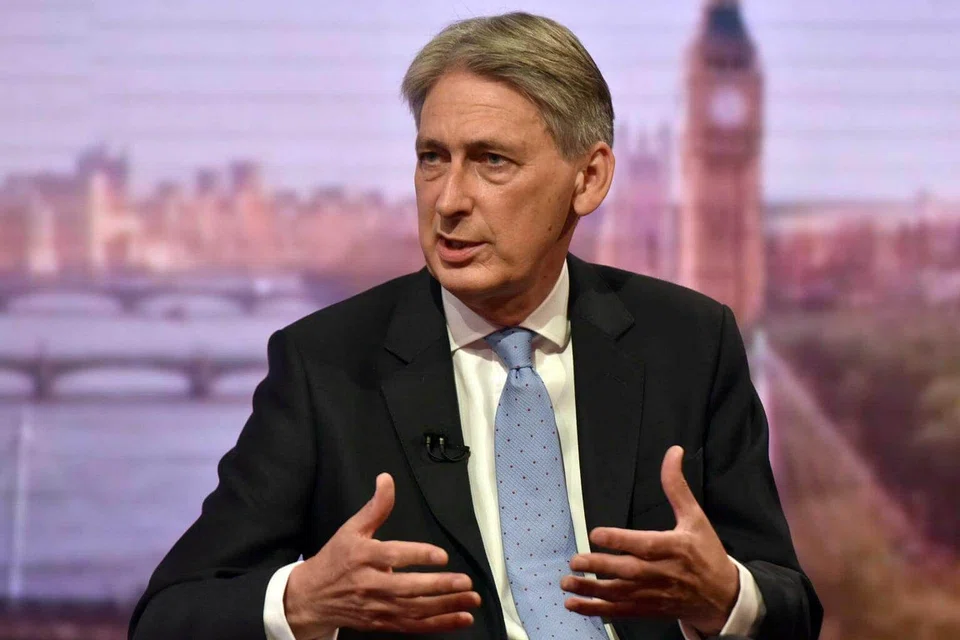
DeeperDive is a beta AI feature. Refer to full articles for the facts.
[LONDON] Britain had a larger-than-expected budget deficit last month as rising inflation pushed up debt payments.
Net borrowing was £6.9 billion (S$12.262 billion), up from £4.8 billion in June 2016 and above the £4.9 billion predicted by economists. It left the shortfall in the second quarter at £22.8 billion, 9 per cent more than a year earlier.
The figures highlight the risks facing the public finances as rising prices and stagnant wage growth take their toll on the economy.
Debt payments jumped 33 per cent from a year earlier to £4.9 billion, the highest for any June since 2011, as inflation increased the cost of servicing index linked government bonds.
Spending was also driven by payments to the European Union and a 12 per cent increase in government spending on goods and services.
Total government spending rose 8.3 per cent, almost double the 4.6 per cent in revenue.
Navigate Asia in
a new global order
Get the insights delivered to your inbox.
The figures may raise fresh questions about whether Chancellor of the Exchequer Philip Hammond can limit borrowing to £58 billion this year, as forecast by his budget watchdog in March.
Mr Hammond is also under pressure to boost wages for millions of public-sector workers and spend more on health and education after the Tories' catastrophic election performance highlighted the frustration of voters after seven years of austerity.
BLOOMBERG
Share with us your feedback on BT's products and services
TRENDING NOW

‘Boring’ is the new black: The stars are aligning for a Singapore stock market revival

Near sell-out launches in March boost developer sales to 1,300 units after four slow months

China pips the US if Asean is forced to choose, but analysts warn against reading it like a sports result

Genting Singapore’s Lim Kok Thay receives S$7.5 million pay package for FY2025

