

US trade deficit hits record in June as imports balloon
 Add BT as a preferred source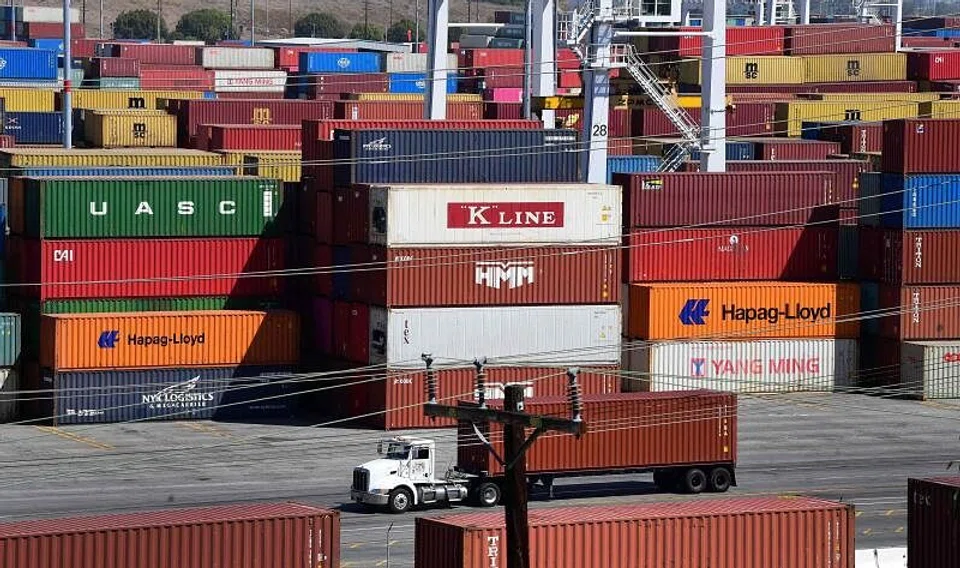
DeeperDive is a beta AI feature. Refer to full articles for the facts.
[WASHINGTON] A surge in imports of industrial supplies drove the US trade deficit to a record in June, according to government data released on Thursday, a sign that global supply chains may be coming back online after the pandemic disruptions.
The trade gap widened by US$4.6 billion to US$75.7 billion, a nearly 7 per cent increase compared to May, the Commerce Department reported. That was higher than analysts had expected, and beat the previous all-time high set that month.
Imports of goods and services jumped US$6 billion, most of which was accounted for by the rise in industrial materials and supplies such as iron, steel and chemicals, as well as a US$1.2 billion increase in non-monetary gold.
US purchases of imported consumer goods, including cars, fell in the month, according to the report.
Exports also rose but gained just US$1.2 billion compared to May.
As the world's largest economy has reopened and recovered faster than other regions, American businesses have reported struggles getting a steady supply of input.
Navigate Asia in
a new global order
Get the insights delivered to your inbox.
"Supply chain disruptions are a risk but trade flows should rebalance as global economies come back online more completely," said Rubeela Farooqi of High Frequency Economics.
The lifting of pandemic restrictions allowed travel and tourism - categorised as a service export - to increase US$400 million in the month, according to the data.
The US trade deficit with China in goods alone narrowed slightly to US$27 billion, while gaps with the European Union, India and Japan all increased by around US$1 billion.
AFP
Decoding Asia newsletter: your guide to navigating Asia in a new global order. Sign up here to get Decoding Asia newsletter. Delivered to your inbox. Free.
Share with us your feedback on BT's products and services
TRENDING NOW

From 1MDB to ‘corporate mafia’: Is Malaysia facing a new governance test?

Higher costs, lower returns: Why are Singaporeans still betting on real estate?

South-east Asian markets account for 8.8% of global capital inflows from 2021 to 2024: report

Richard Eu on how core values, customers keep Singapore’s TCM chain Eu Yan Sang relevant

